Kosen Ohtsubo: Excerpts from an interview in 2022
|
|
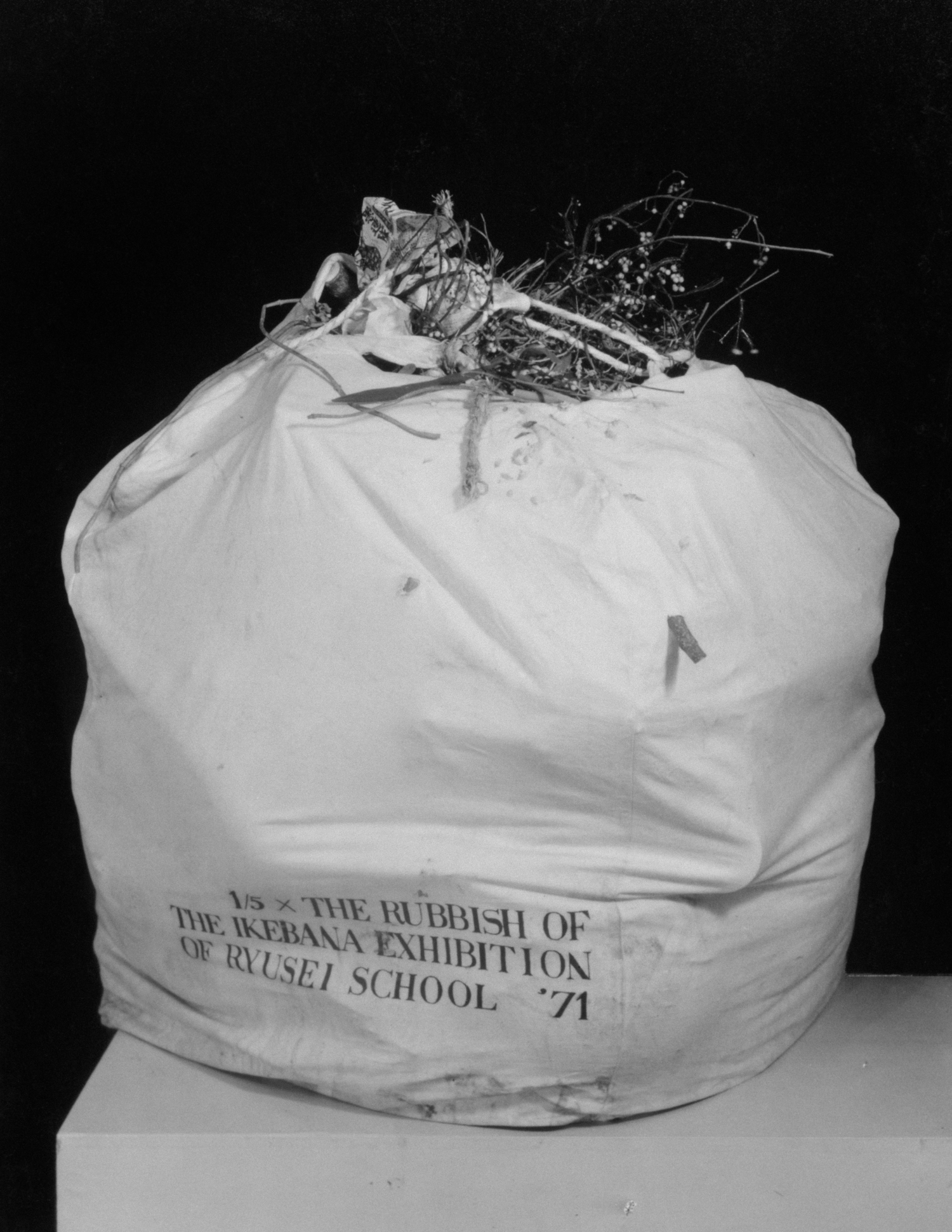
Kosen Ohtsubo: 1/5 the Rubbish of the Ryusei Exhibition, 1971. First published in Ikebana Ryusei, December 1971. Photo: Ikebana Ryuseiha. *
|
|
“During setup, there were always such trash bags around. The long branches and stems were just tossed in as-is, one after another. That big, overflowing look had incredible impact. So I really wanted to present this as my own work.”
|
|
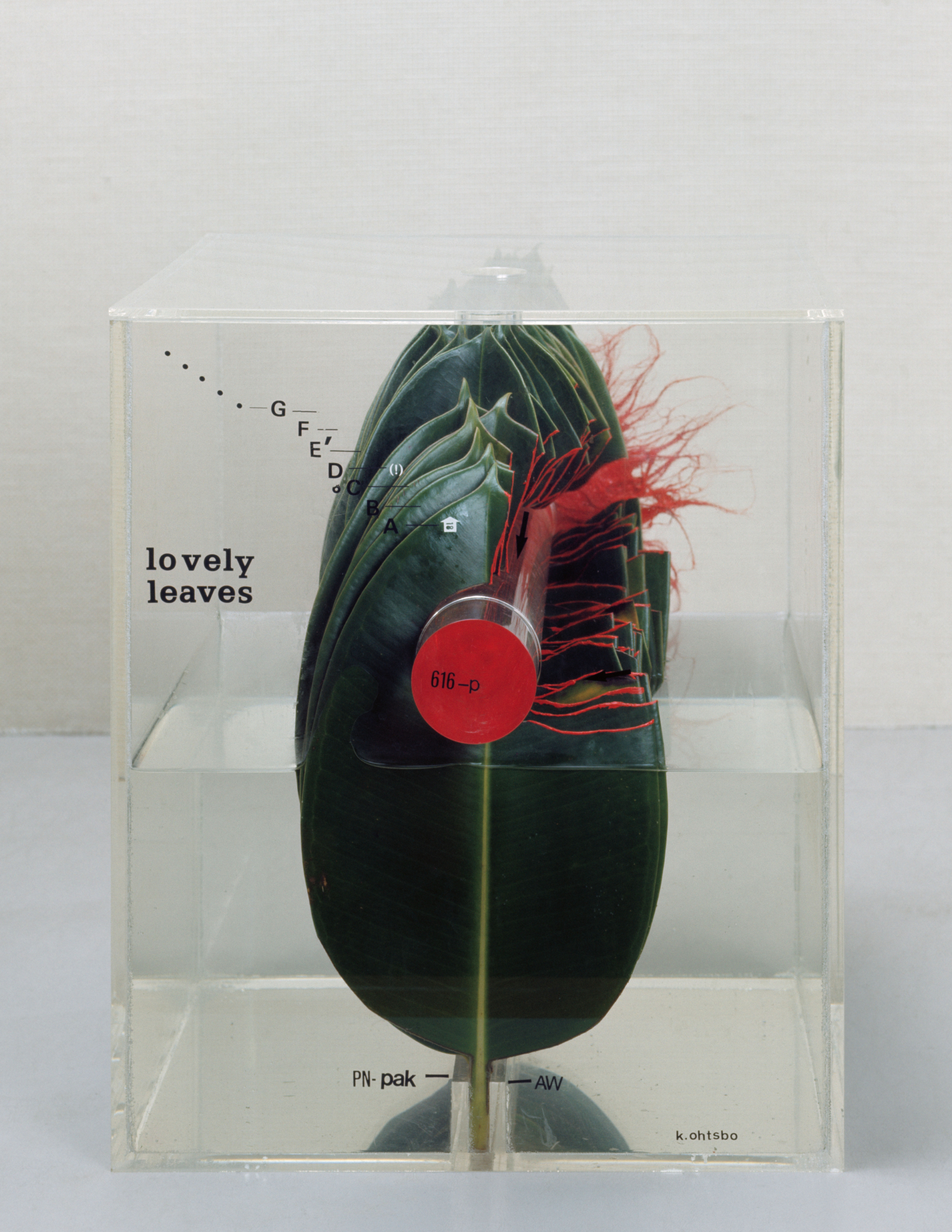
Kosen Ohtsubo: Lovely leaves Ⅱ, 1974. First published in Ikebana Ryusei, June 1974. Photo: Ikebana Ryuseiha. *
|
|
“In ikebana, we observe each material very closely, and use its subtle qualities to create something unique.
… So I thought, why not ignore subtle qualities and try creating an ikebana that’s still interesting?”
|
|
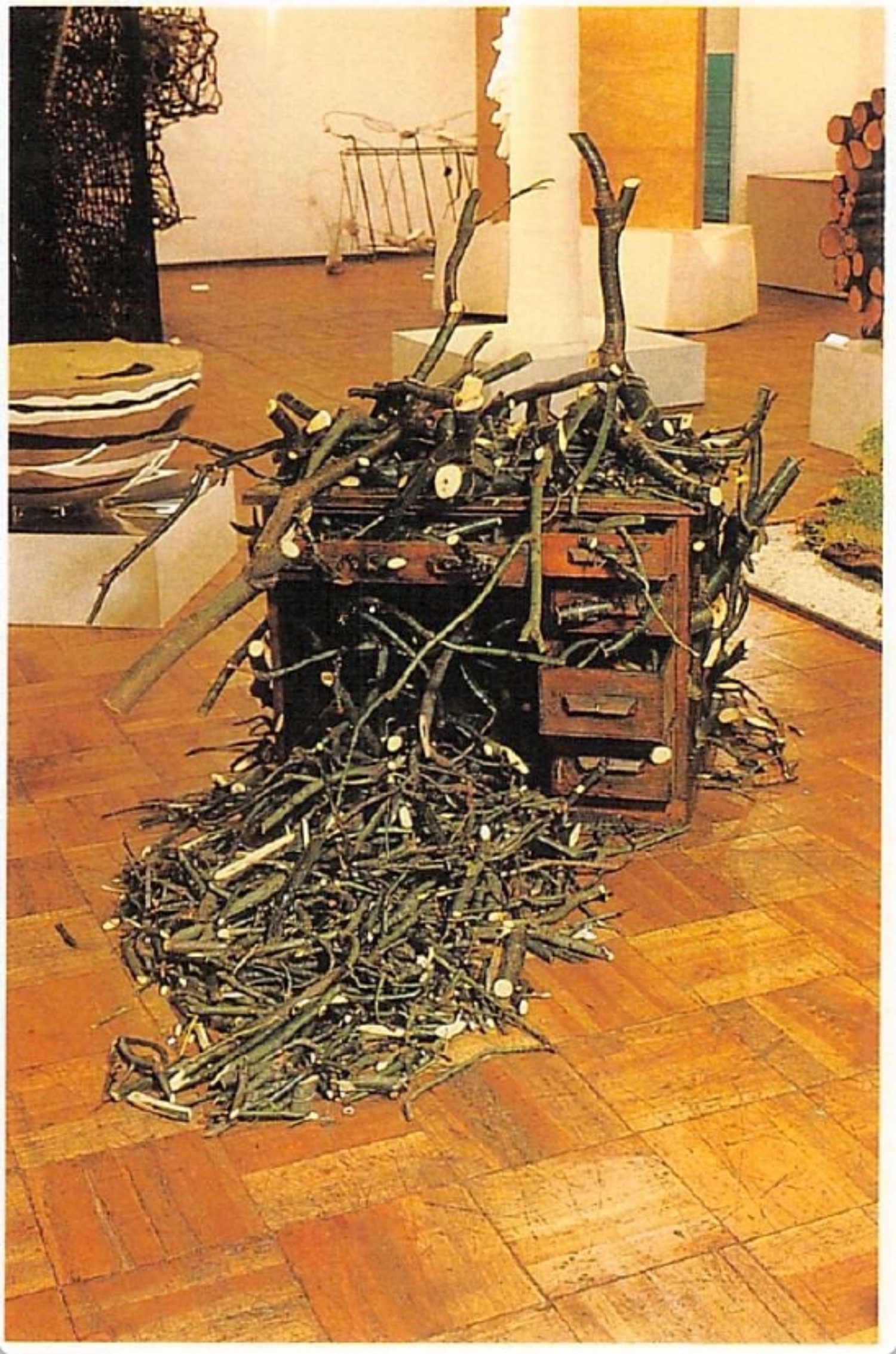
Kosen Ohtsubo: KIRIKIRI…, 1980. First published in Ikebana Ryusei, November 1980. Photo: Ikebana Ryuseiha.
|
|
“Ikebana involves a lot of cutting, so I wanted to rethink that. So I cut those branches to pieces to explore what cutting really means.”
|
|
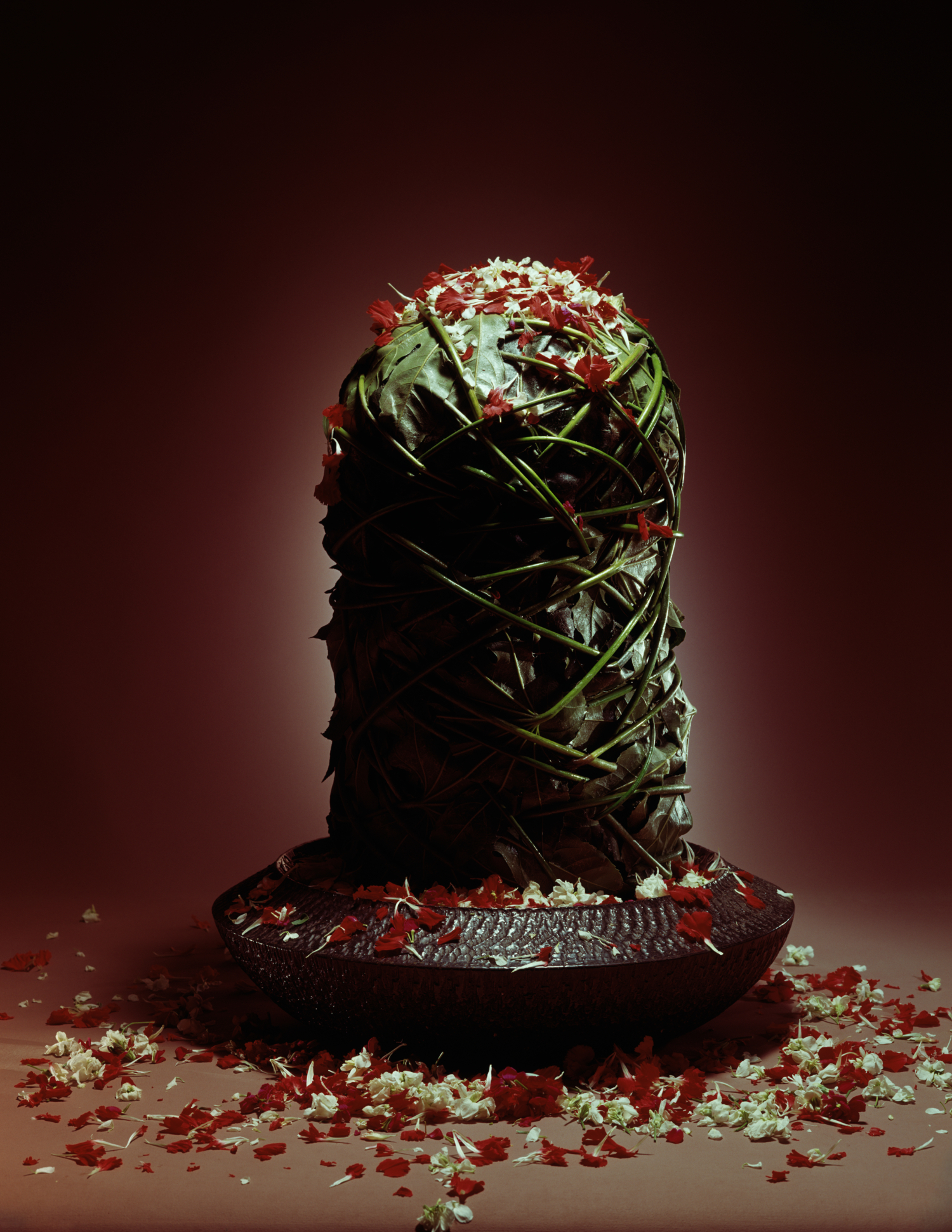
Kosen Ohtsubo: Linga India, 1977. First published in Ohara-ryu Soka, March 1977. Photo: Ikebana Ryuseiha. *
|
|
“People offer flower petals to them.
… I asked the guide, “Isn’t it cruel to pluck the petals from the stems and branches?”
They said, “Not at all. If you take the whole branch, it can’t regrow. It might not bloom again the next year.””
|
|
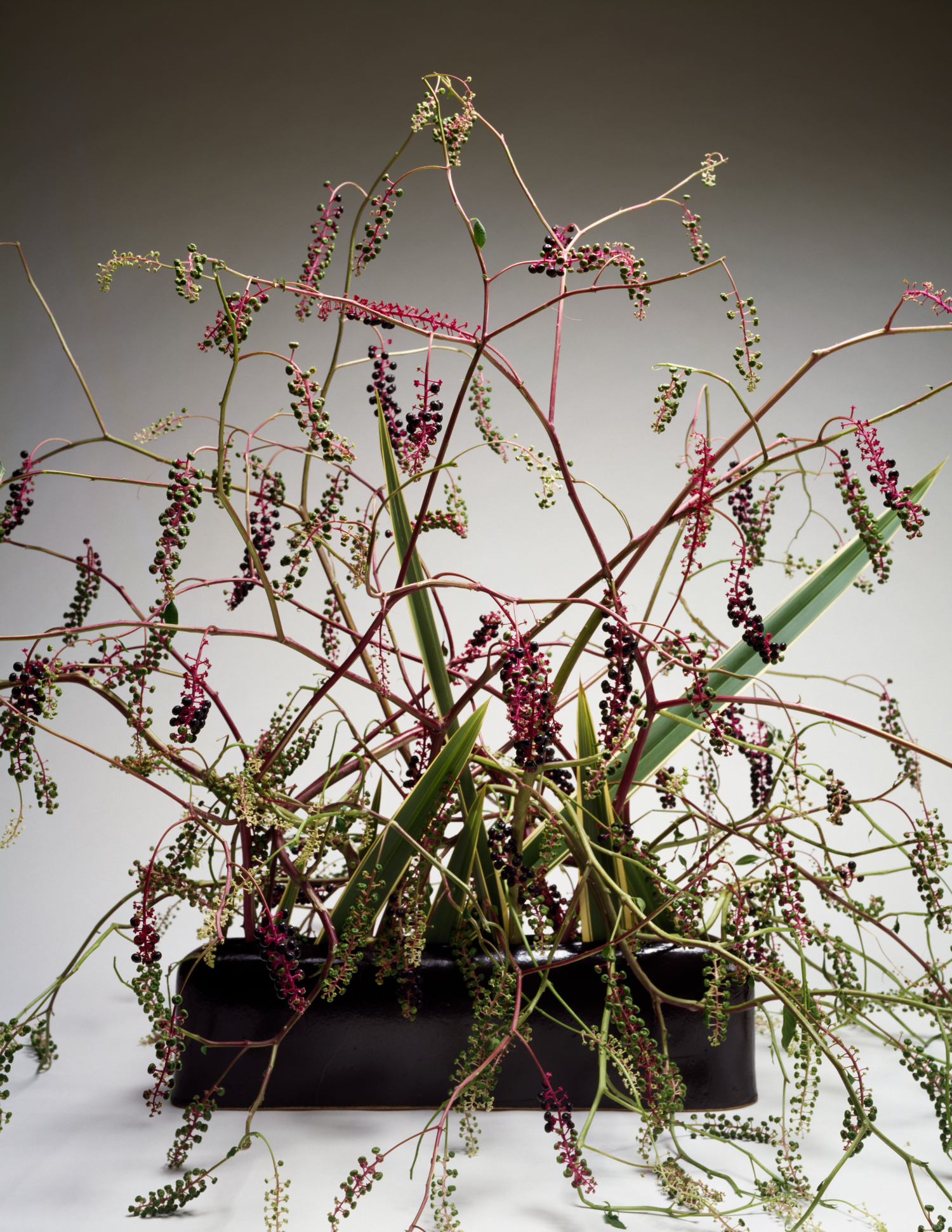
Kosen Ohtsubo: They Were Growing like this by the Garbage Dump, 1994. First published in Ikebana Ryusei, October 1994. Photo: Ikebana Ryuseiha. *
|
|
“This work opposed the idea of completing a piece “properly.” If you pursue properness, you won’t get a good result.”
|
|
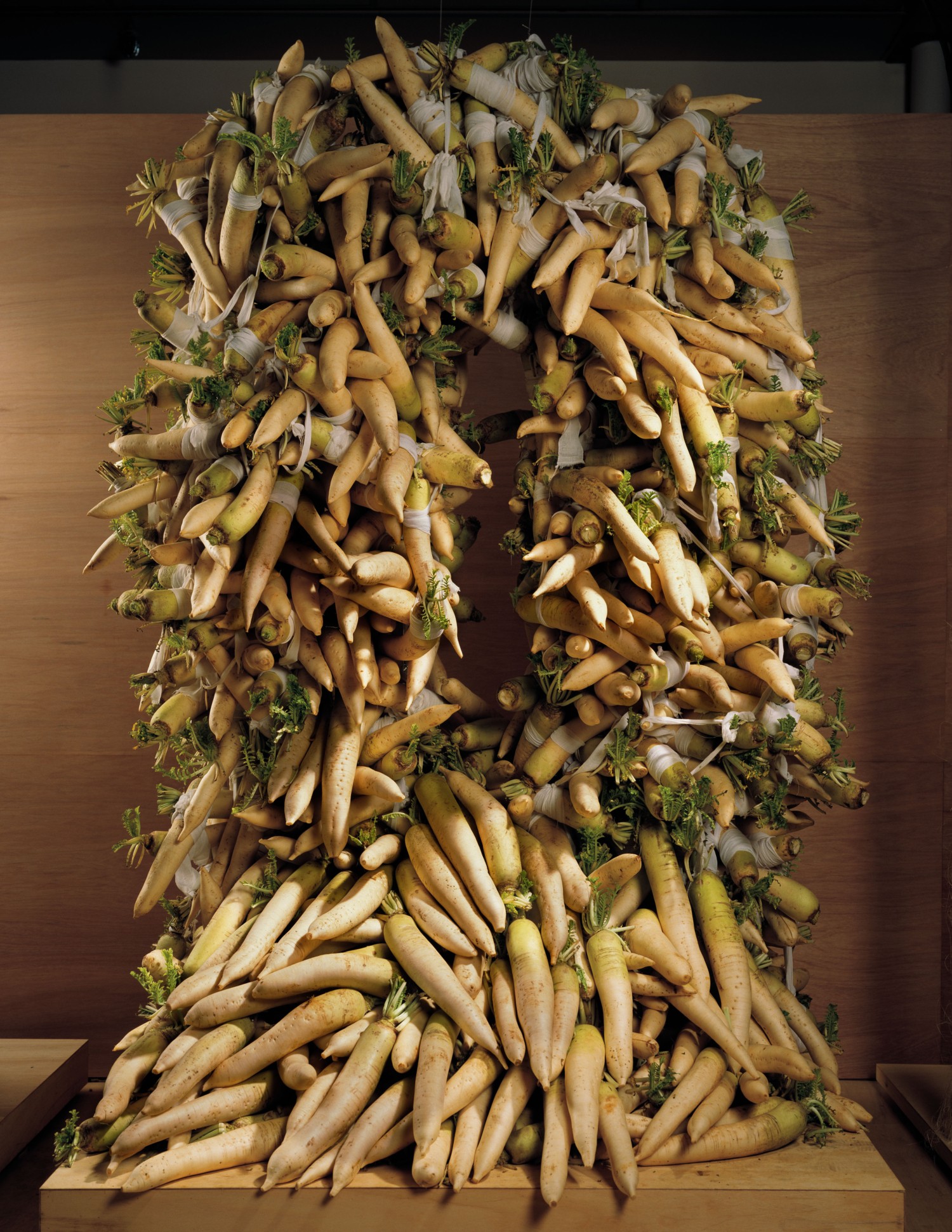
Kosen Ohtsubo: Rock'n'roll of Radish Tower, 1989. First published in Ikebana Ryusei, November 1989. Photo: Ikebana Ryuseiha. *
|
|
“What’s wrong if it's a bit sensual and vulgar? That’s what living beings are.
… And also, the smell starts coming out gradually. That was part of the charm.”
|
|
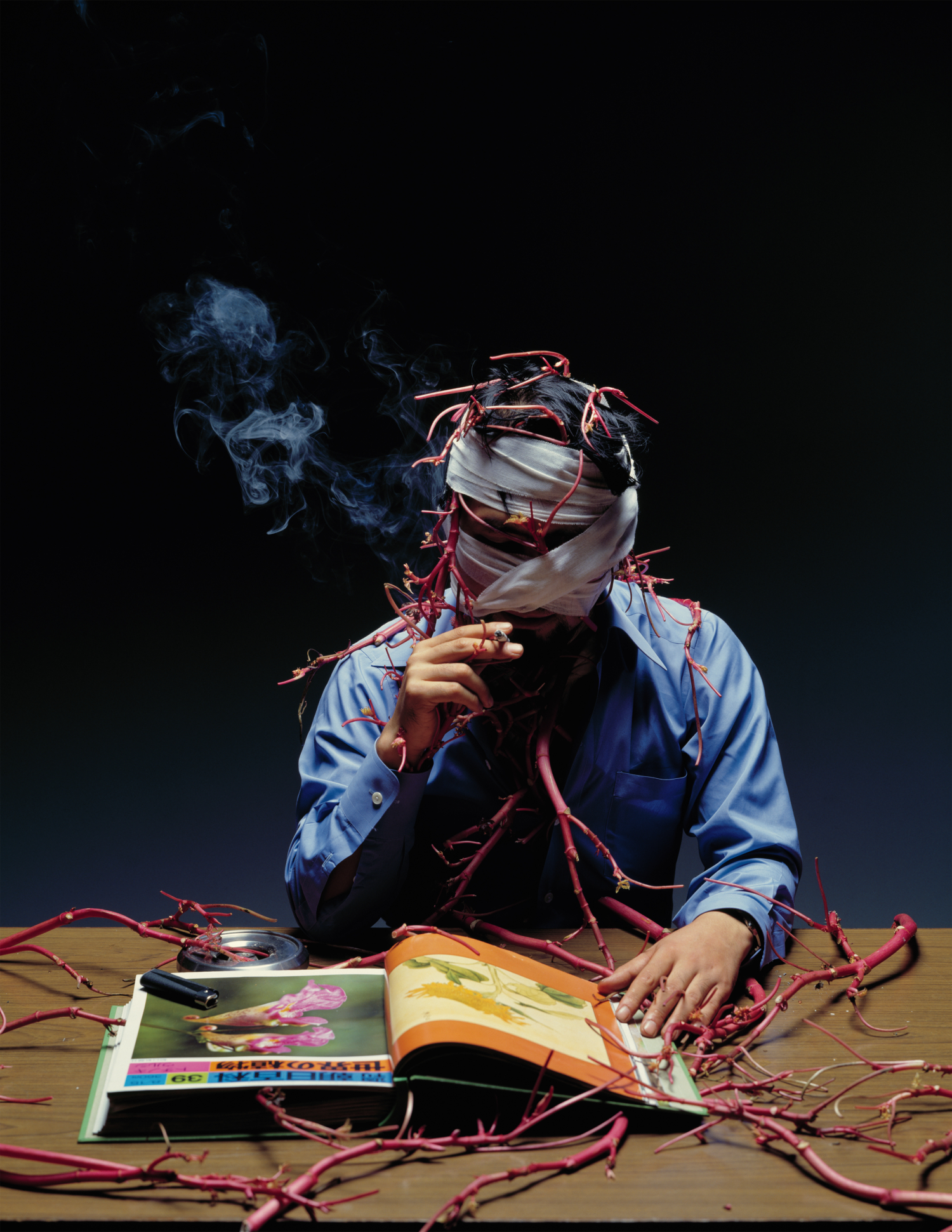
Kosen Ohtsubo: Botanical Man, 1978. First published in Ikebana Ryusei, November 1978. Photo: Ikebana Ryuseiha. *
|
|
“At first, I tried to make a standard ikebana. But then I thought, they looked like human blood vessels.”
|
|
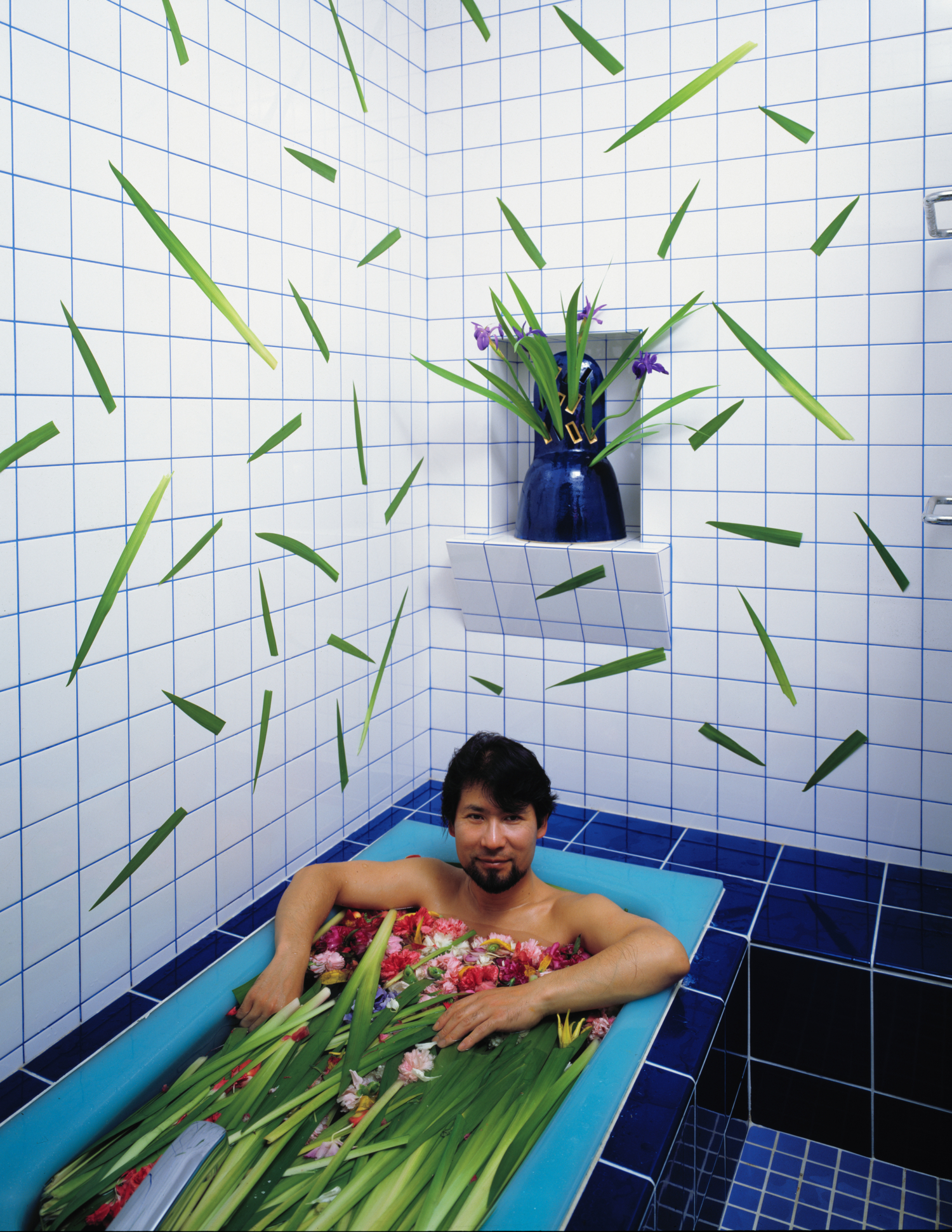
Kosen Ohtsubo: I am Taking a Bath like this, 1984. First published in Ikebana Ryusei, July 1984. Photo: Ikebana Ryuseiha. *
|
|
“This was inspired from the classic style of iris arrangement. In that style, we rub the leaves to put them together. So I did the same thing and stuck them onto tiles. I just tossed them onto the tiles and they stuck.”
|
|
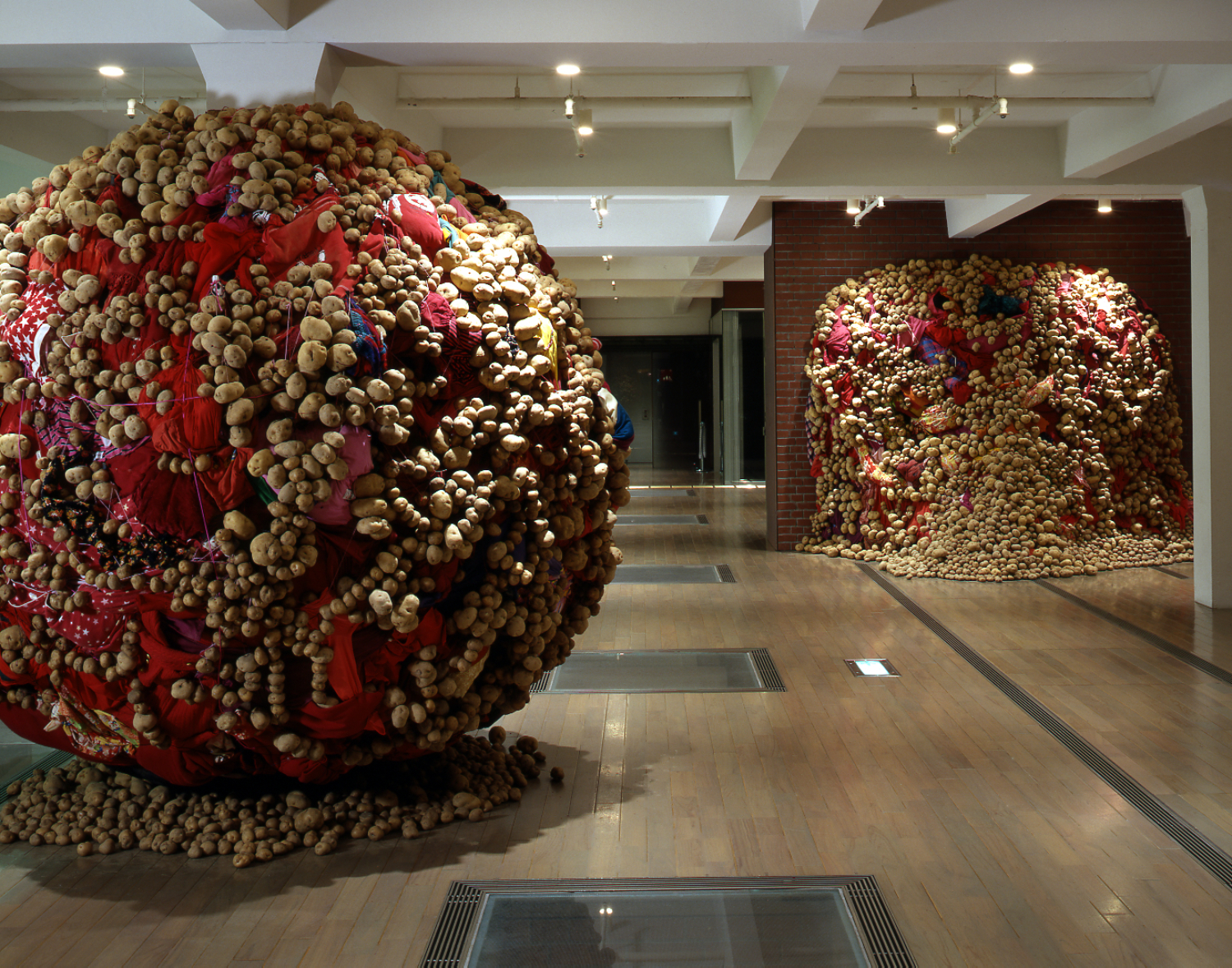
Kosen Ohtsubo: Potatoes in Heat, installation view, 2005. Photo: Kenichi Ogoshi.
|
|
“One day I suddenly started thinking potatoes were quite sensual.
… Looking closely, they sometimes looked like a woman’s body. Or sometimes, I felt like they resembled myself. There’s something very human about them.”
|
|
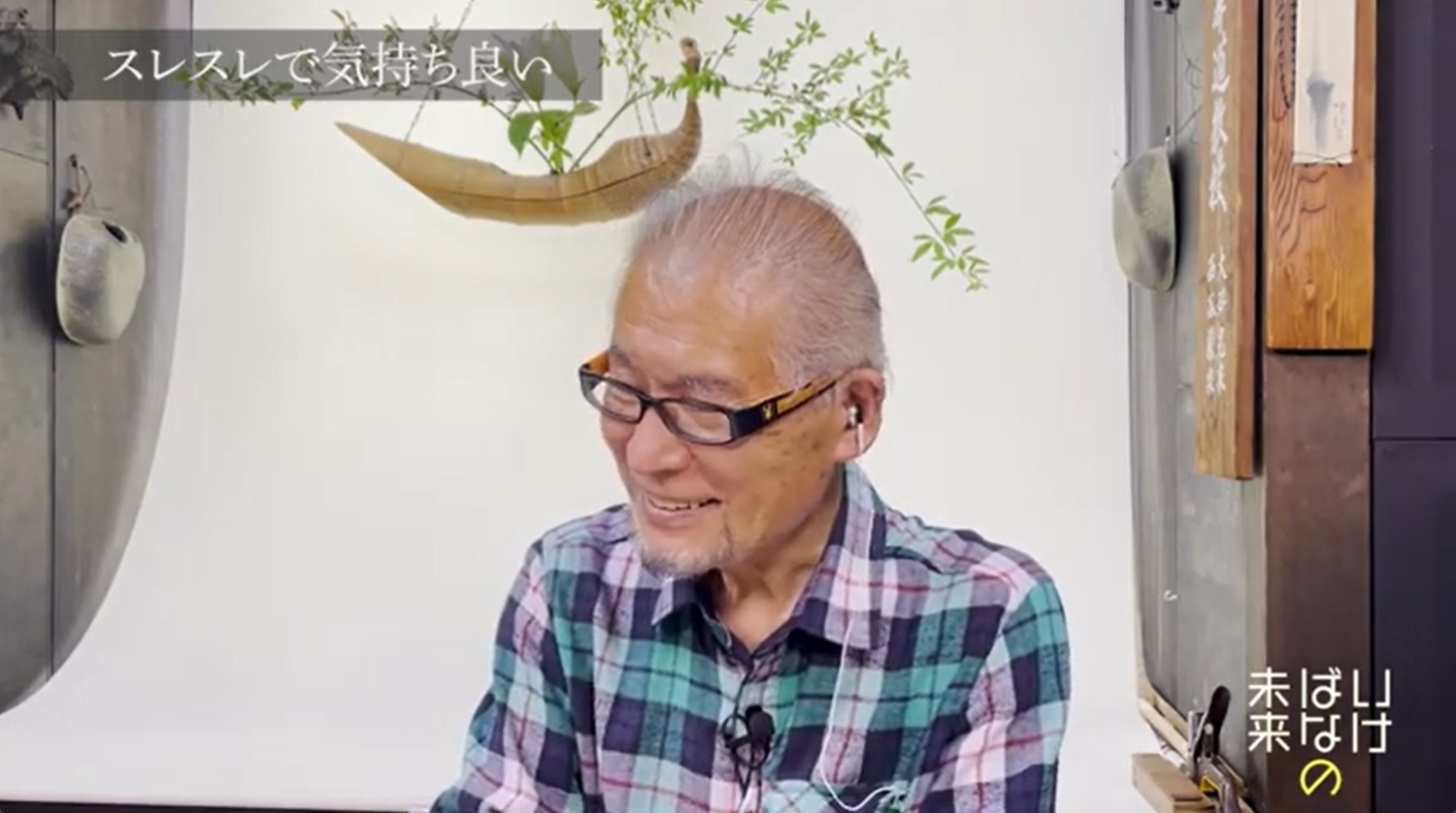
Kosen Ohtsubo during his interview with Seiko Azuma, 2022.
|
|
Interview conducted by Seiko Azuma for her YouTube channel Ikebana no Mirai (2022).
Part 1 Part 2
English subtitles translated by Keiko Ohtsubo, reviewed by Christian Kōun Alborz Oldham.
* Images marked with an asterisk are from the digital archive led by Christian Kōun Alborz Oldham.
Article edited by Keiko Ohtsubo.
|
|
|
|
|
|
|