The Potential and Limits of Hobby Criticism
|
|
|
Hobbies
The inaugural editorial of the first issue of PROVENCE , titled “P” and published in spring / summer 2009, outlines the following mission: The magazine sets out to explore both the potential and limits of hobbies as a figure of thought, to engage with cultural criticism through the lens of the hobby, and to institute a new field between practices of production and reproduction.
I like how this editorial frames the hobby as a tool to “draw the moment out.” Drawing the moment out between sides to rest and between our operations to articulate. Drawing the moment between our positions to create the necessary space for the possibility of transformation.
In the context of contemporary art, the hobby is almost a nostalgic topic. Where is the space for hobbies in contemporary art, a realm of supposedly non-alienated labor where the distinction between work and free time—between employment, domestic work, and voluntary engagement—is more than blurred?
As art workers, we move from one project to the next, from one world to another. We engage with work subjectively and constantly reorient in the face of the unforeseen. The art worker is, to a certain extent, a blueprint for the entrepreneurial subject of “cognitive capitalism,” where, as Isabell Lorey and Klaus Neundlinger have described it, all boundaries around production are removed. [1] In cognitive capitalism, work is predominantly performed outside the scope of employment relations and is thereby distinguished by project-based forms of organization and precarity. This particular situation brings forth a form of value creation that is deeply entangled with workers’ subjectivities and cannot be separated from life anymore. Against this backdrop, it seems almost anachronistic to think about hobbies. Or is it exactly this anachronism that makes the hobby a productive figure of thought?
|
|
“As art workers, we move from one project to the next, from one world to another.”
|
|
|
Browsing the “P” issue, I find traces of a range of hobbies such as going to bars and cafes, visiting exhibitions, playing table tennis, cooking, and watching movies. Throughout the first pages, the editors have arranged photo-copies of the business cards of protagonists of the service industry such as hotels, restaurants, and bar workers, and florists, and from art professionals—artists, curators, gallerists, bookstore owners. I find further traces of service categories in Ben Kinmont’s “The Materialization of Life into Alternative Economies” (1996), which documents the artist run restaurant and living sculpture named “FOOD” in SoHo New York in 1971. To this category also belongs the film “American Gigolo” (1980), which artist Andrea Legiehn discusses in their essay. An interview with architect Fumiko Goto explores ways of separating leisure and work through the spatial setting.
A hobby is a regular, enjoyable activity, typically practiced during one’s leisure time. In the context of contemporary art, referring to one’s creative practice as a “hobby” brings pejorative connotations. It suggests I’m on leisure time when I feel like I’m working, drinking coffee with a colleague, binge-watching a series for my next seminar, or visiting the new Kunsthalle show. I want these activities to be work, as otherwise, my status as an art professional would come under question.
Here, the hobby is not meant in the pejorative sense, but is positively connotated as a space for thinking through cultural criticism. What is it, and what should it be? And how can we, through traversing different roles and operations, instigate change in a better order?
|
|
|
Cultural criticism
I was invited to contribute a text about PROVENCE , situating the magazine in the larger journalistic landscape and notion of cultural criticism. First and foremost, I should locate PROVENCE in the long history of artists’ magazines.
This characterization is not because the editorial team (subject to change over the years) has always involved artists and other cultural workers, but due to their desire to reflect on and play with cultural criticism. Both the form and content of PROVENCE builds on the legacies of artists’ magazines, as means of seeking a position amidst contemporary art discourses, and to rehearse and test new forms of cultural critique, not unlike FILE Magazine (1972–87), which was published by the artists group General Idea and appropriated the layout of Life magazine. Beyond com- menting on mass media production, this “mirroring” was about occupying territories staked out by said mainstream magazine. Because of its visual familiarity, FILE could “pass through a gen- eral distribution system and be picked up by people who would not ordinarily be exposed to this type of work,” as AA Bronson has put it. [2] The appropriation served as key into a diverse public. Historically, magazines have played a pivotal role in the renewal of contemporary art and its public, acting as agents of transformation at the intersection of various social functions. However, concerning cognitive capitalism, such magazines have also been central to new economic valorization processes.
Dan Graham, who published a series of conceptual artworks in journals in the 1960s, has pointed out the importance of art magazines for artists. The artist, writer, and one-time founder of a short-lived gallery believes that if an artwork is not represented in a magazine, it has a hard time gaining recognition as art. According to Graham, the relationship between the journal and the artwork is decidedly economic: The art journal is financed by advertisements that, for the most part, are run by galleries announcing their exhibitions. [3] This leads to a culture in which favors are paid to advertisers in the form of reviewing or otherwise mentioning their exhibition. This is how market value is generated. Graham argues that artists’ acknowledgment of this relationship moved them to start using journals strategically. [4] Further, magazines have played a key role in questioning the boundaries between artwork and greater discursive frameworks. The magazine is not simply a site of reproduction but a site of production. It is connected to a process in which the boundaries of works can no longer be clearly determined. They re-adapt and recontextualize themselves in every process of circulation and production.
|
|
|
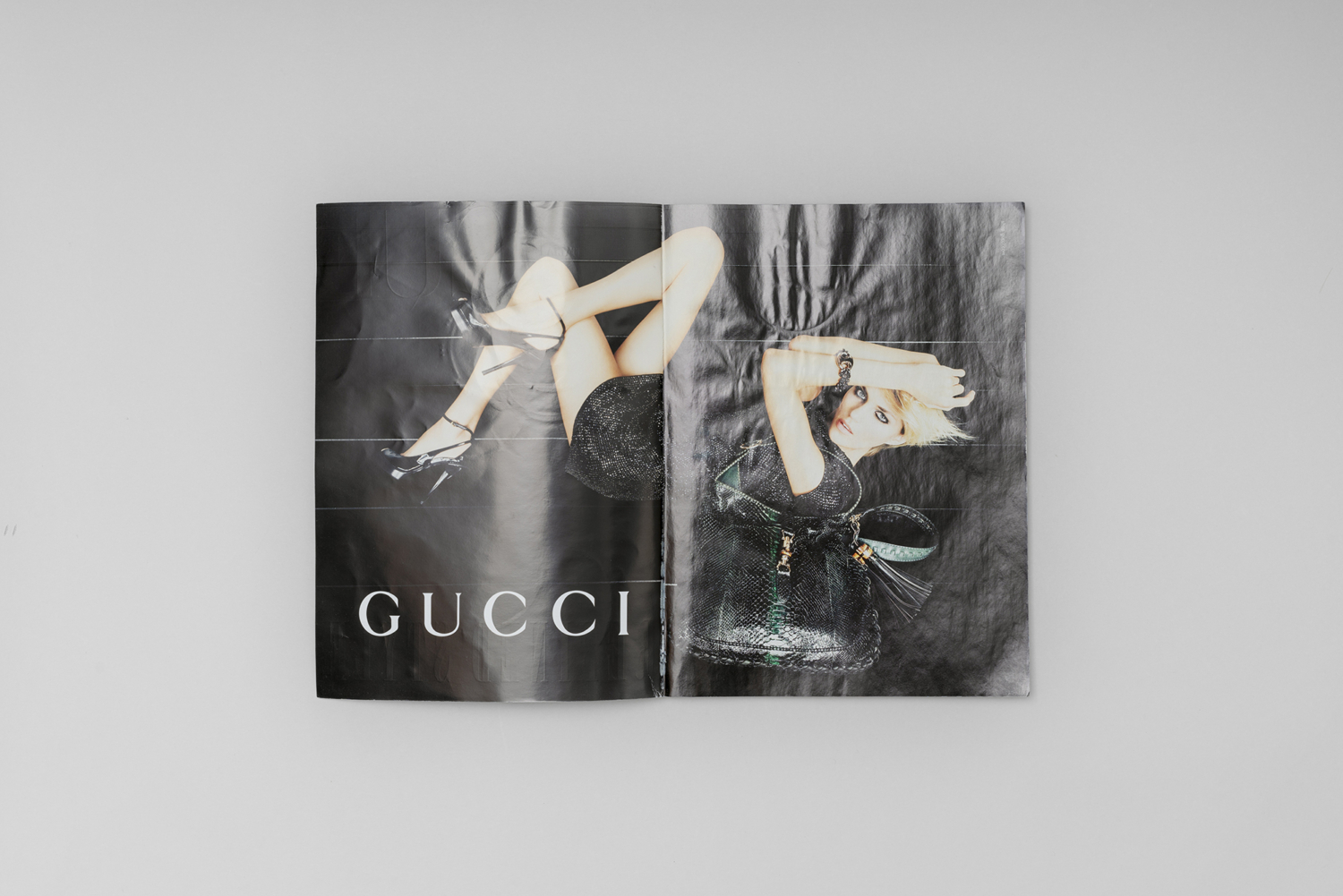
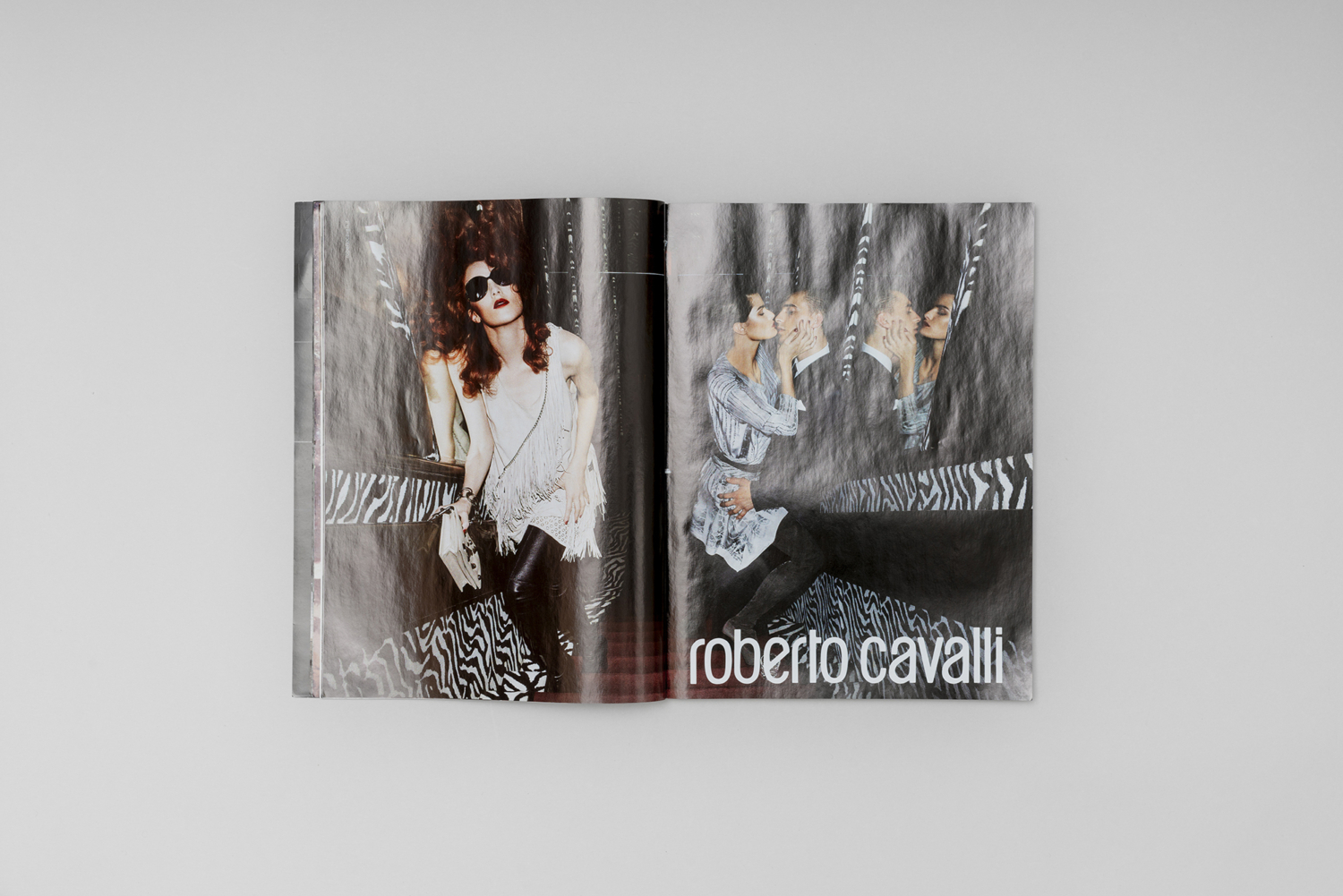
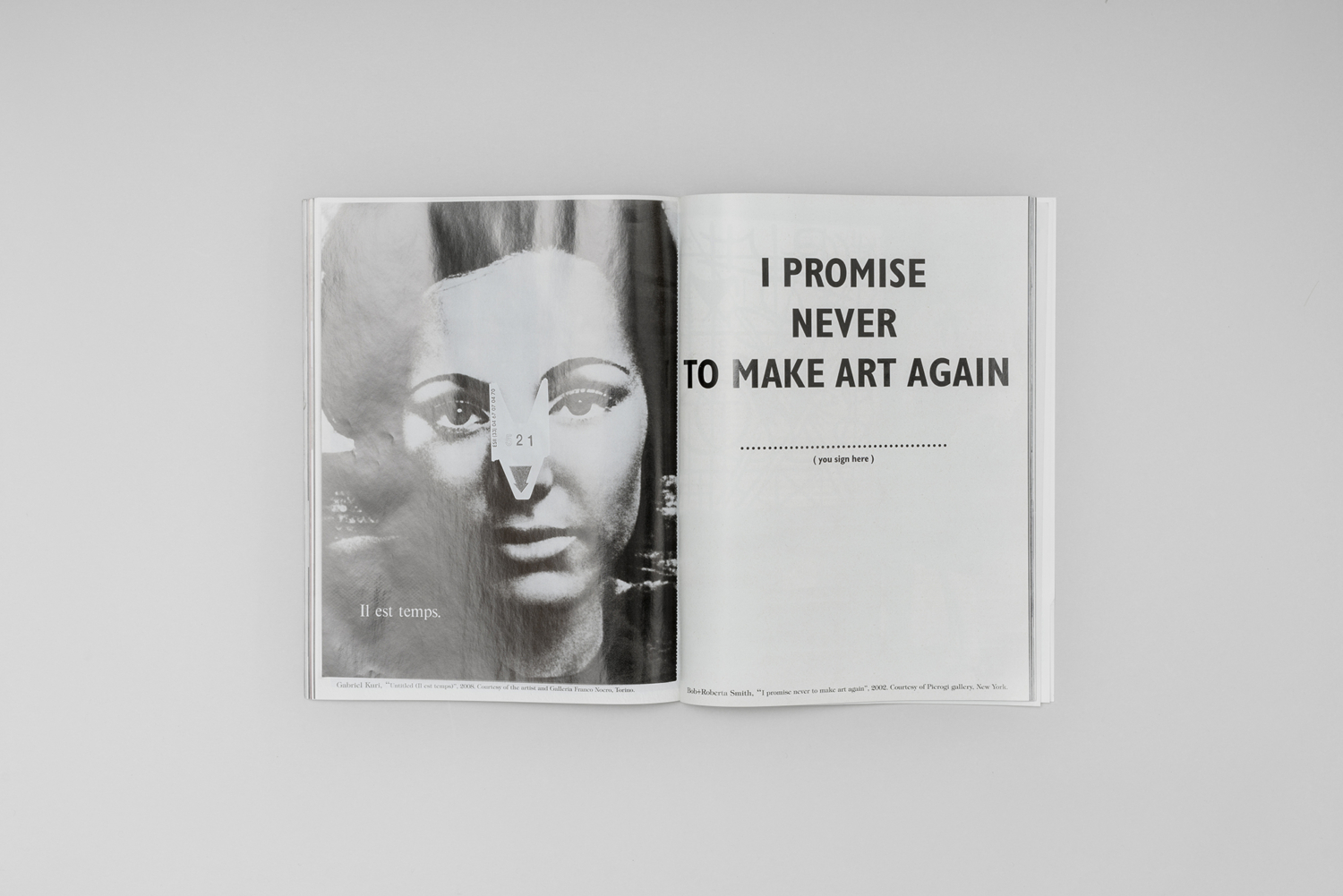
PROVENCE highlights its entanglement in the art world by publishing business cards by different protagonists from the field throughout the first few issues. The layout of the business card spreads lets us think of advertisement spreads of art magazines such as Artforum. However, publishing business cards differs from institutional advertisement: The cards can be attributed to individuals, as they make tangible the concrete relations that create certain dependencies, alliances, and communities. Beyond making visible its own network, PROVENCE comments here on the decidedly economic relation between contemporary art and art criticism that Graham described more than half a century ago. Further, PROVENCE explores the relationship between contemporary art and art criticism by experimenting with the magazine as an aforementioned simultaneous site of production and reproduction. For example, PROVENCE stages original contributions as reproduction, copies, or reused material, while it might layout reprints as original contributions. Staging reuse is contrary to the logic of magazines which are subject to the compulsion to be “up-to-date”—marking something as a “re-reading” or “re-visiting” counters this logic. The editors stage a playful way of working with content, continuously framing and reframing. By blurring the boundaries between production and reproduction, they open a new space in-between post-production, or post-reproduction.
|
|
|
The question arises: What comes first—art or criticism?
In recent years, there has been a proliferation of critical revisions on cultural criticism. Multiple books, including Spaces for Criticism (2015), edited by Thijs Lijster, Suzana Milevska, Pascal Gielen, Ruth Sonderegger, and The Future Is Yet Unwritten (2016), edited by Pablo Müller and Ines Kleesattel have been added to this discussion. I observe more energy in the discourse surrounding cultural criticism than in cultural criticism itself. The statements vary from a problematization of the increased ambiguity, neutrality, and nuanced description of criticism, to cultural criticism, which has rendered itself redundant.
Regarding PROVENCE as a practice, I want to point to Hal Foster’s characterization of the current state of criticism. Foster, who was active as an art critic and editor of the October magazine for art criticism, diagnoses a post-critical present which is based on the one hand on a post-modern questioning of judgment, authority, and distance and on the other on an art production and -reception which fetishizes the sensual, affective, and atmospherically. [5]
|
|
“I observe more energy in the discourse surrounding cultural criticism than in cultural criticism itself.”
|
|
|
This diagnosis of a post-critical present aligns somewhat with the discussion broached in the Criticism Now (2017) issue in which PROVENCE addressed the matter of criticism through the lens of the art critic. Interestingly enough, the word criticism appears only fifteen times in the entire issue, six of those appearances being found in the reprint of “Death of an Art Critic” (2015) by Annika Bender, notorious, pseudonymous blogger of art reviews. In the text, Bender describes the reasons they believe to have led to the post-critical state observed by Foster. They point out that criticism from out- side usually fails to resonate within the community and, therefore, makes no impact. On the other, they state that a recognizable critique from the inside is quickly reduced to disqualifying the author through their relative position within the “network hierarchy.” [6] According to Bender, for criticism to be effective within the art community, it needs to come from a “hybrid, non-localizable standpoint. Neither from outside, nor from inside, but from an elusive both.” [7]
|
|
|
Permanent transformation
PROVENCE was originally conceived as an eight-issue series spelling the magazine’s eight-letter name, and was published from 2009 to 2017. Since 2018, its editorial team has been publishing PROVENCE in a thematic format. The eight-issue series was characterized by its literally changing forms and shapes, with each issue appropriating a different magazine format. Editors listed publications such as Air France’s in-flight magazine, the Wallpaper* City Guides, and auction brochures, as references.
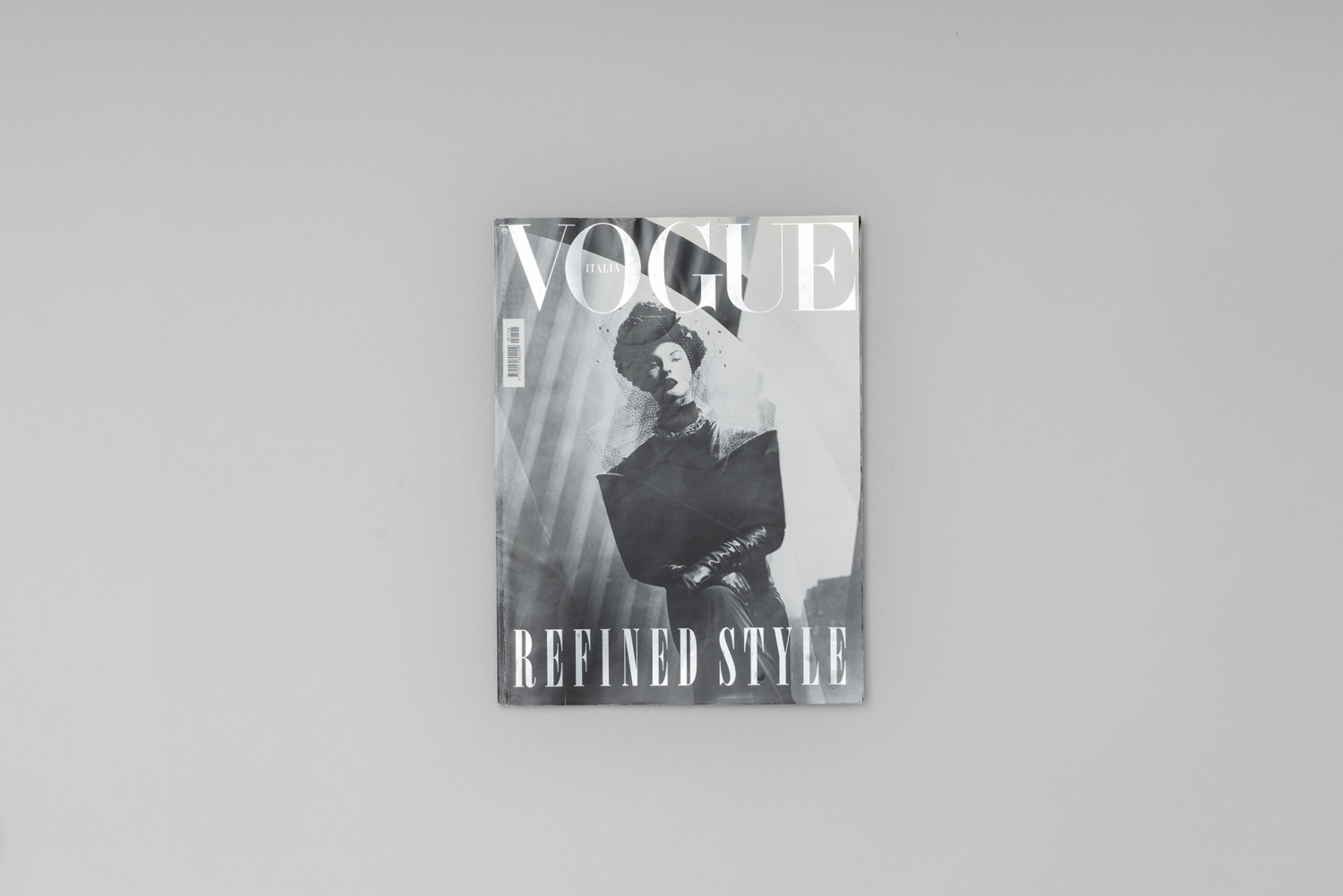
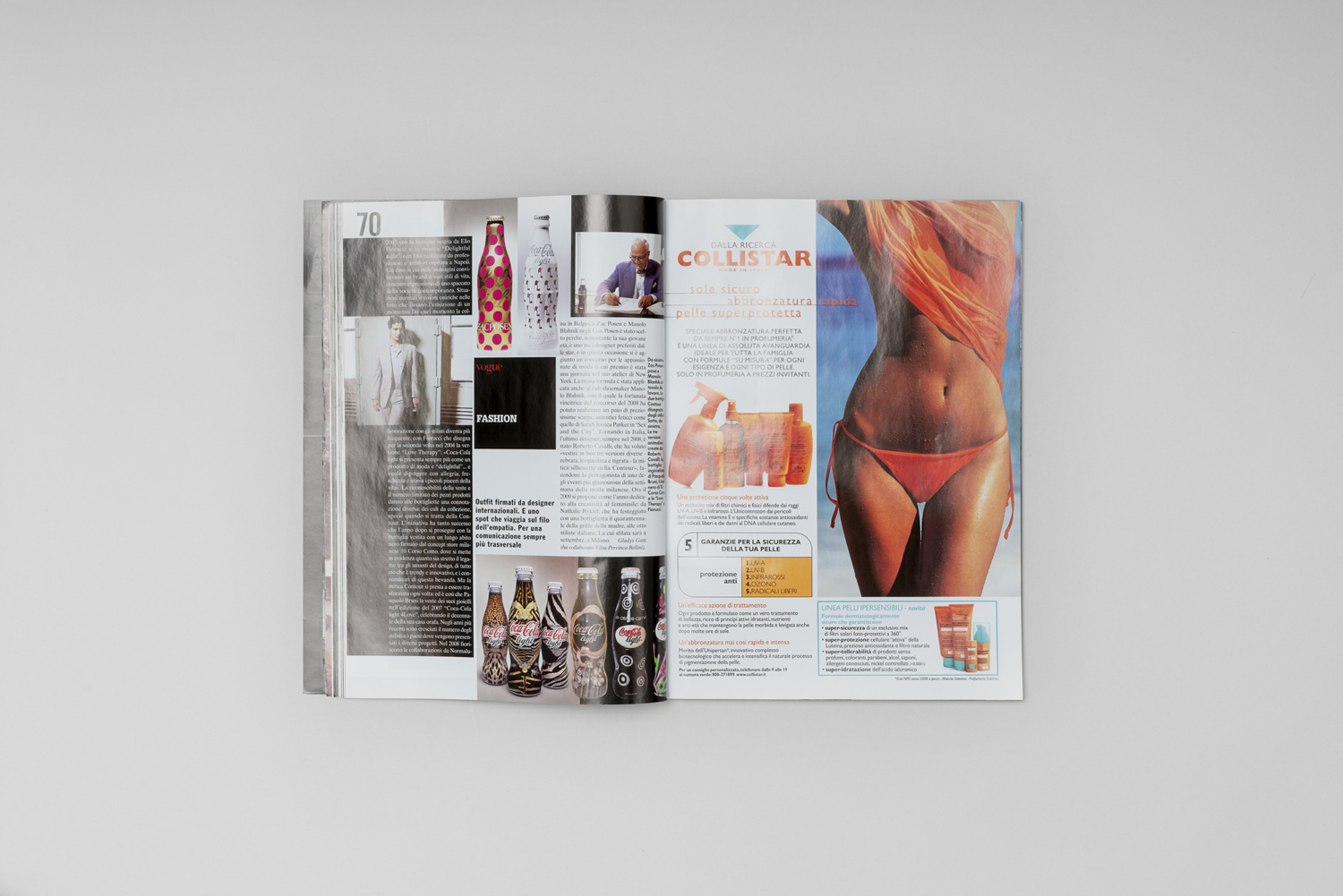
Issues “P” (2009), “R” (2009), and “O” (2010) are characterized by strategies of copying and appropriation. Aesthetically, they connect to zine culture, self-publishing, and experimental publishing, as characterized by copy-paste and cut-out aesthetics. Issue “V” (2010/11) is a sales catalog for driftwood. The design of Issue “E” (2012/13) is reminiscent of lifestyle magazines.
Issue “N” (2012) is a catalog for ceramic editions featuring a tableware set designed in collaboration with Lina Grumm and Hans-Christian Lotz. Issue “C” (2017) takes on the form of a book dedicated to a single medium. The editors name books such as “Painting Now,” “Sculpture Now,” or “Vitamin P” as references. Taking on the layouts of these books which provide extensive insight into a medium, Issue “C” plays with the expectation of the extensiveness of their discussion of criticism. The Issue “E” (2015) is a summer reader subtitled “After Dark” and co-published by Paraguay Press. It has a pocketbook format reminiscent of summer issues of “various empire lifestyle magazines.” [8] The title refers to the homonymous computer screensaver software and serves as a metaphor for the notion of keeping the system running while not at work.
The eight-part series was a magazine on cultural criticism more than a magazine for cultural criticism. By occupying or claiming the space of the Hobby-, culture-, criticsm magazine, it got its power from an in-between space of creation and recreation, which seeks to evade capture. To do so, the magazine took on a series of strategies to work permanently on its structure, to keep that identity from freezing, from becoming fixed. While the cover and the packaging stay within the same visual language, the parameters of the inside are constantly restructured.
Like Annika Bender, PROVENCE is inherently interested in a hybrid, non-localizable standpoint. Like Bender, they ended at the point of exhaustion of that position, coming to question the limits of the hobby as a standpoint for criticism.
|
|
|
Turning your hobby into a career
It’s always difficult to decide to turn your hobby into a career, but it’s not a bad decision per se. Also—sometimes—time can decide for you. Depending on the time you put in, it may no longer be a hobby. It may become something else.
In 2018, PROVENCE established a new thematic format to question whether the hobby remains a productive starting point for cultural criticism. What began as a glossy, polished cover resembling a high-end magazine in fashion, art, and culture, with a copy-culture interior, where the package doesn’t fit its inside, now provides a smooth transition between the cover and inside.
The magazine is structured into different sections, such as “Literature,” “Travel,” “Screen,” “Architecture,” “Food,” “Fashion,” “Letter,” “Conversation,” “Design,” “Music,” “In-House,” and “Review.” Art is strikingly missing. Its issues cover a wide range of topics: “Hannah Villiger” (2019), “Punk” (2019/20), “Town & Country” (2020), “Scandal” (2021), “Poster” (2021/22), “Real Estate” (2022), and “Proust” (2022/23).
|
|
“Depending on the time you put in, it may no longer be a hobby. It may become something else.”
|
|
|
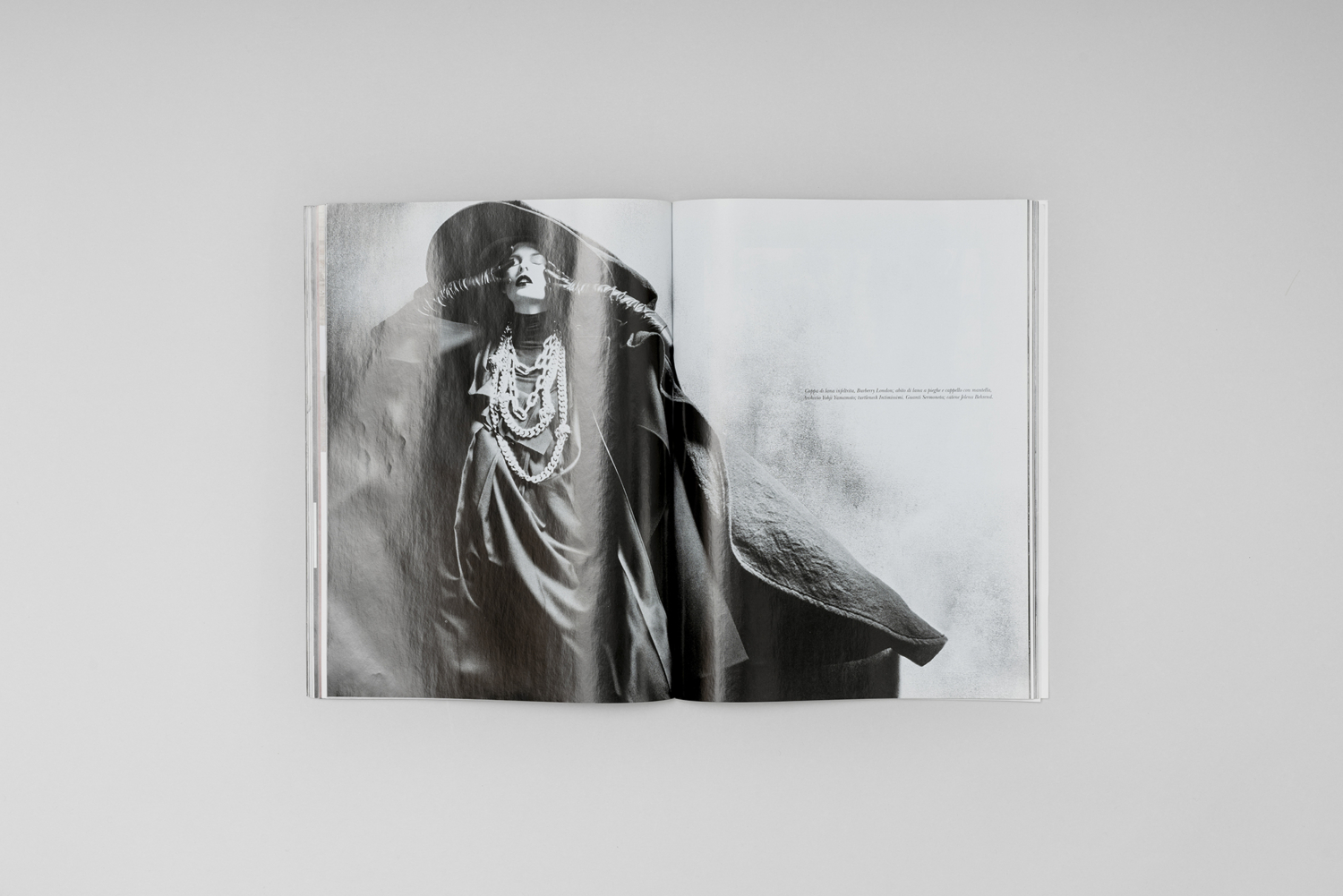
Programmatically, the editorial of the first issue of the new thematic format, “Art in the Service of” (2018), criticizes cultural criticism’s observed mourning and manifests the need for cultural criticism to ask questions about the relation between contemporary art and capitalism to understand the current state of the art world. The sleek and chic design of the issue makes clear its aims at asking this question not from the point of view of the artist or the hobby, but from the press and books section of an airport kiosk.
While the genre of the “artists’ magazine” domesticates the magazine in the subjectivity of the artist and the art world, newsagents bring together a wide range of print media. It is out in the wild, the capitalist wild. One of the editors of PROVENCE once told me about their fascination with the airport magazine shop. They said that they wanted to create something that mimics the language of a media that would fit there, and then, like a Trojan horse, manages to smuggle in content that does not. It is intriguing to think of the airport shop as an image reflecting the current state of cultural criticism, and how producing for a transit hub store might be a way out of the domestication of the artists’ magazine, and a means to make visible and tangible the capitalist capture mechanisms while simultaneously creating a context that rattles its power dynamics.
|
|
[1] Isabell Lorey, Kalus Neundlinger (eds.), Kognitiver Kapitalismus, Turia + Kant, 2012
[2] AA Bronson in: General Idea, “General Idea,” Interview by Joshua Decter. Journal of Contemporary Art 4, no. 1 (Spring / Summer 1991): 49–64, 50.
[3] See Dan Graham, “my works for magazine pages: ‘a history of conceptual art,’” in conceptual art: a critical anthology, eds. Alexander Al- berro and Blake Stimson (Cambridge, Mass. and London: MIT Press, 1999), 418–422. [First published in Gary Dufour, Dan Graham, exh. cat. (Perth: The Art Gallery of Western Australia, 1985), 8–13.]
[4] Ibid.
[5] Hal Foster: “Post-Critical”, in: October 139 (Winter 2012), 3–8, 3.
[6] Annika Bender, “Death of an Art Critic,” in PROVENCE Issue C (2017), 20–22, 22.
[7] Ibid.
[8] Tobias Kaspar, Hannes Loichinger, “Preface,” in PROVENCE Issue E (2015), 7–8, 7.
|
|
|
|
|
|
|