Annie Ernaux & Marc Marie at Galerie Isabella Bortolozzi, Berlin
|
|
|
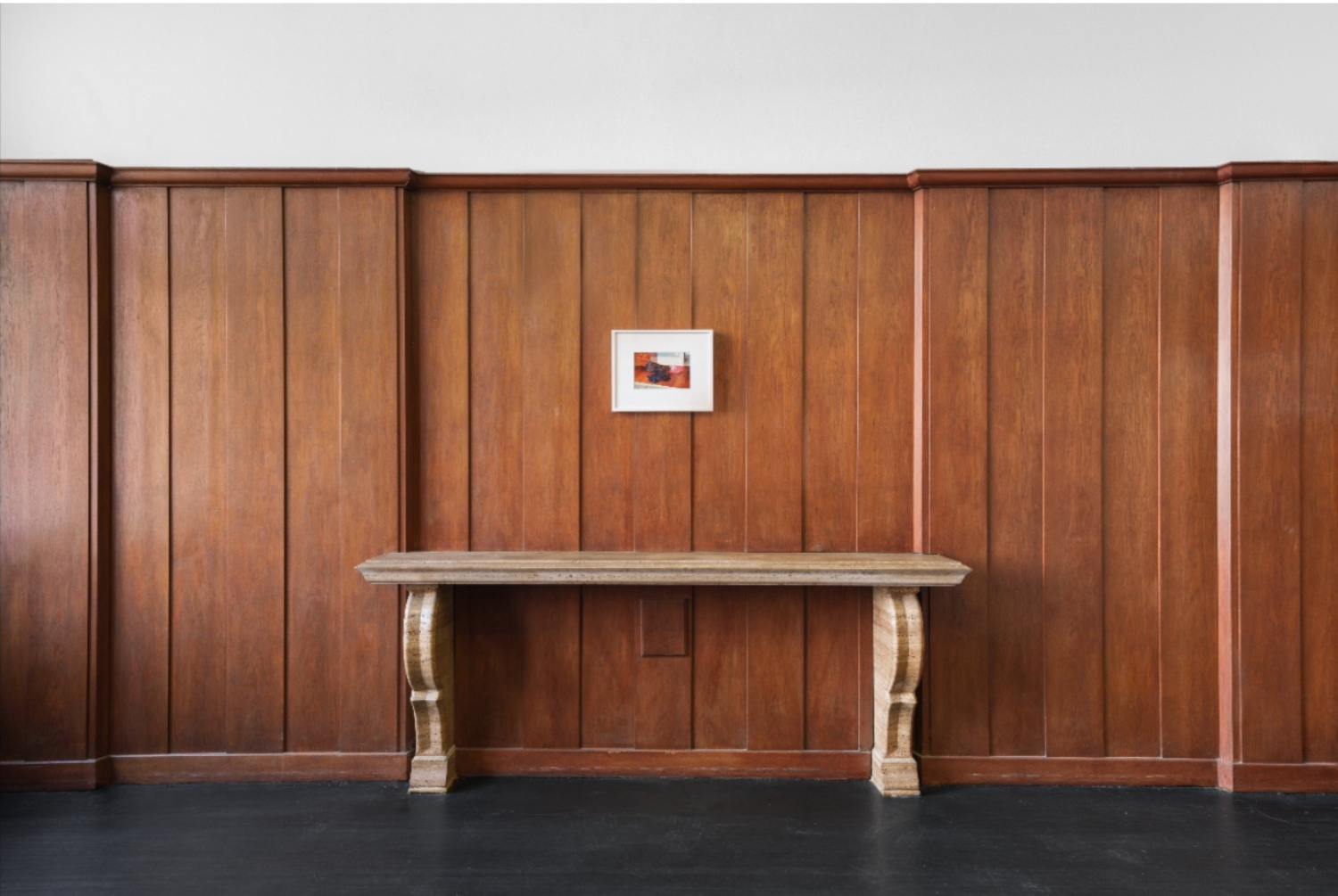
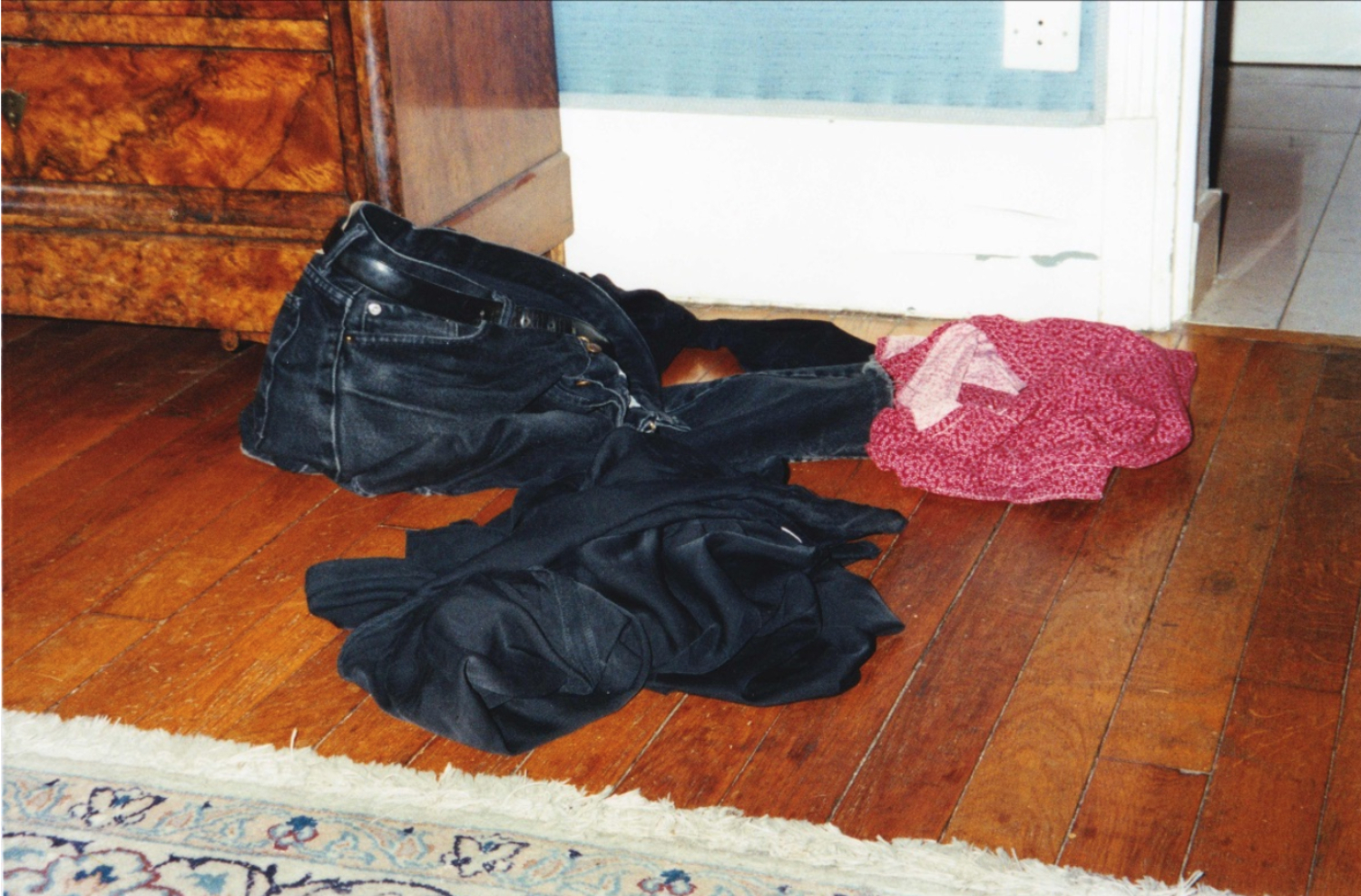
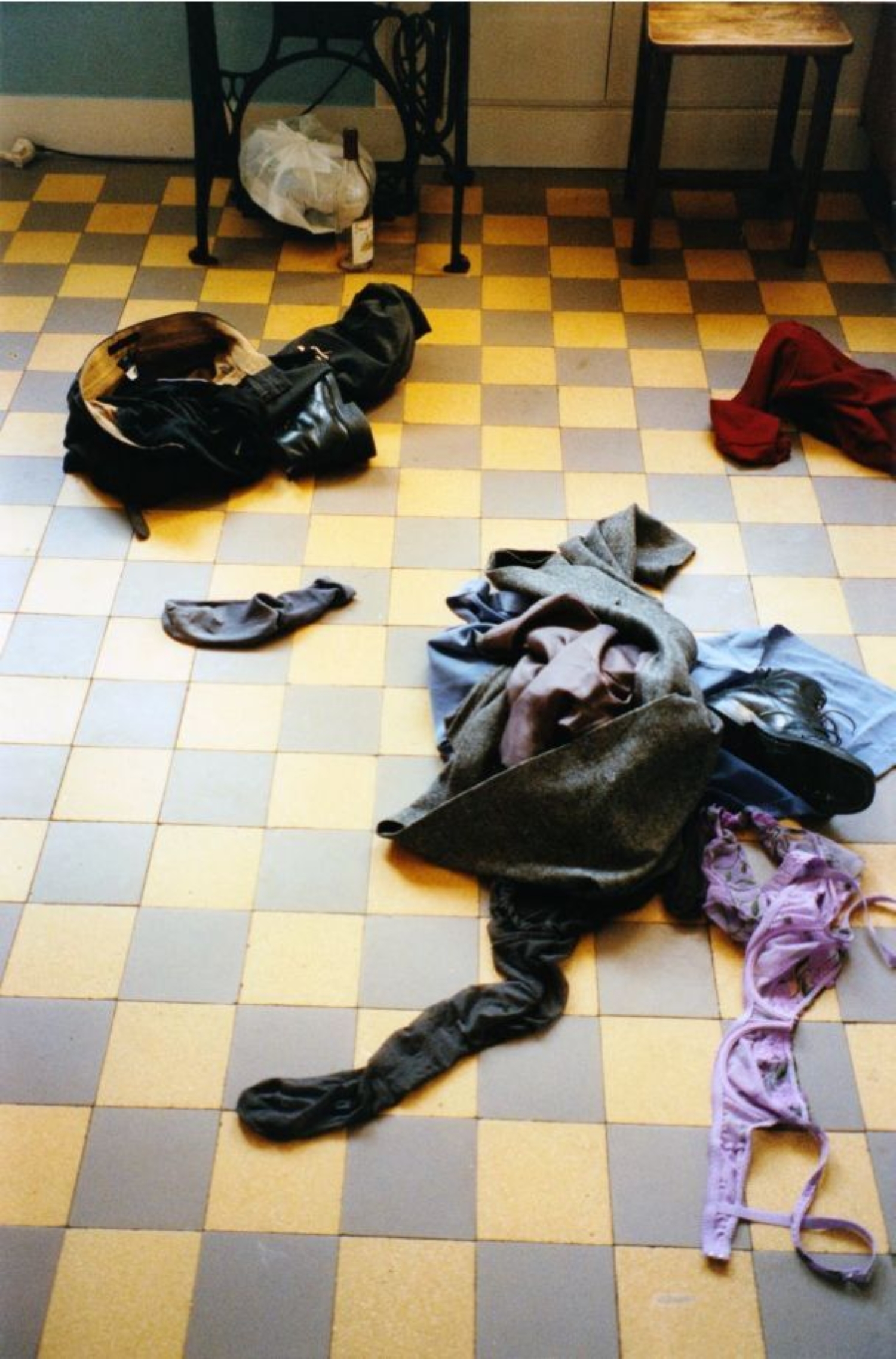
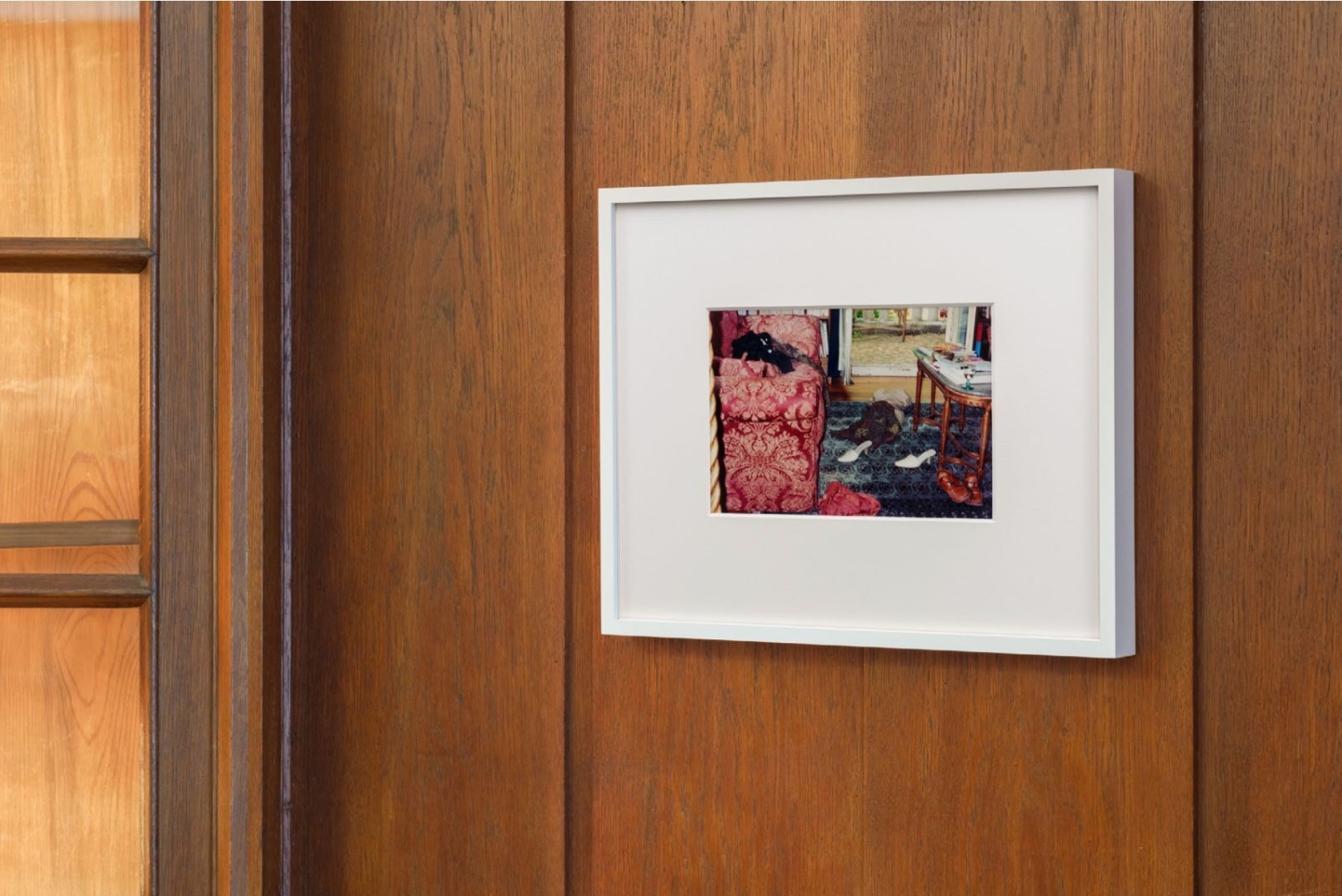
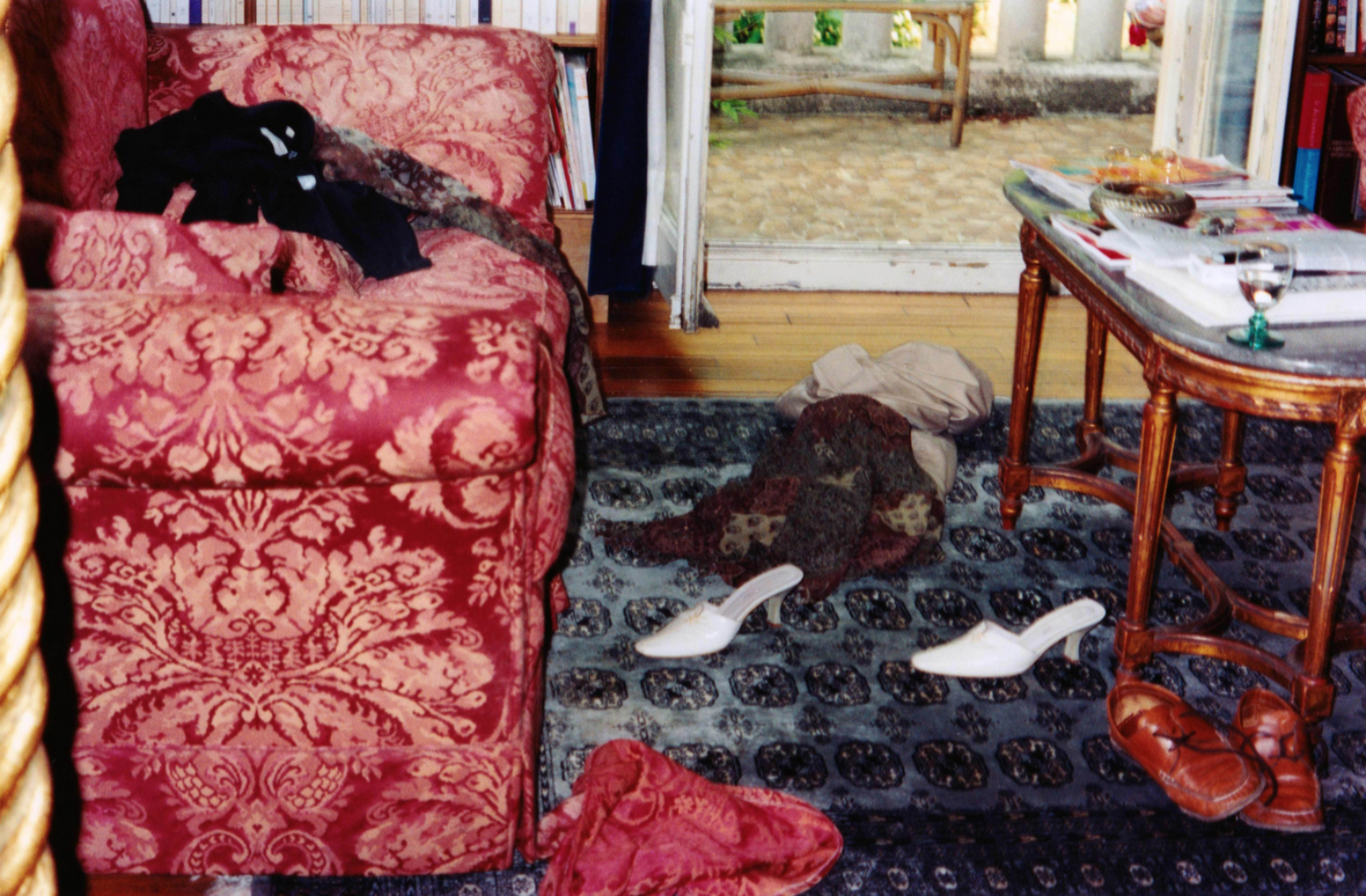
Taken by Ernaux & Marie in tandem, these images trace the prolonged affair between the authors that started when they met in January 2003. Ernaux had been undergoing chemotherapy for breast cancer in the preceding three months, causing her to lose her hair and have a catheter implanted under her skin. Their affair began during her surgery and radiation therapy; first in Brussels and continuing primarily in Paris, where both lived. From the start of their relationship Ernaux describes how she became fascinated with what she saw in the morning: their clothes, thrown on the floor while making love; chairs out of place; and the remains of a meal left on the table from the night before. It struck her as painful to destroy this landscape by putting everything back in its place. She was compelled to pick up a camera, thinking, “this arrangement born of desire and accident, doomed to disappear, should be photographed.” When she told Marc Marie what she had done, he confessed that he had felt the same desire. The resulting fourteen photographs by Ernaux & Marie served as the basis for each to write a short response to accompany their images. These texts were only shared with one another after the final photograph was taken, a year later, on 7th January 2004.
|
|
“This arrangement born of desire and accident, doomed to disappear, should be photographed.”
|
|
|
“[…] as if making love were not enough and we needed to preserve a material representation of the act, we continued to take photos. Some we took immediately after lovemaking, others the next morning. The morning pictures were the most moving. These things cast off by our bodies had spent the whole night in the very place and position in which they’d fallen, the remains of an already distant celebration. To see them again in the light of day was to feel the passage of time.” (1)
|
|
Annie Ernaux & Marc Marie, Jeans Sitting on the Parquet, 24 or 31 May, 2003. Installation view: BEDROOM, CHRISTMAS MORNING, Galerie Isabella Bortolozzi, 2025. Courtesy Galerie Isabella Bortolozzi, Berlin. Photo: © Graysc.
|
|
Annie Ernaux & Marc Marie, Jeans Sitting on the Parquet, 24 or 31 May, 2003. Courtesy the artists and Galerie Isabella Bortolozzi, Berlin.
|
|
Annie Ernaux & Marc Marie, Kitchen, 17 April, 2003. Courtesy the artists and Galerie Isabella Bortolozzi, Berlin.
|
|
Annie Ernaux & Marc Marie, The White Mules, Early June, 2003. Installation view: BEDROOM, CHRISTMAS MORNING, Galerie Isabella Bortolozzi, 2025. Courtesy Galerie Isabella Bortolozzi, Berlin. Photo: © Graysc.
|
|
Annie Ernaux & Marc Marie, The White Mules, Early June, 2003. Courtesy the artists and Galerie Isabella Bortolozzi, Berlin.
|
|
Henrik Olesen at Den Frie, Copenhagen
|
|
|
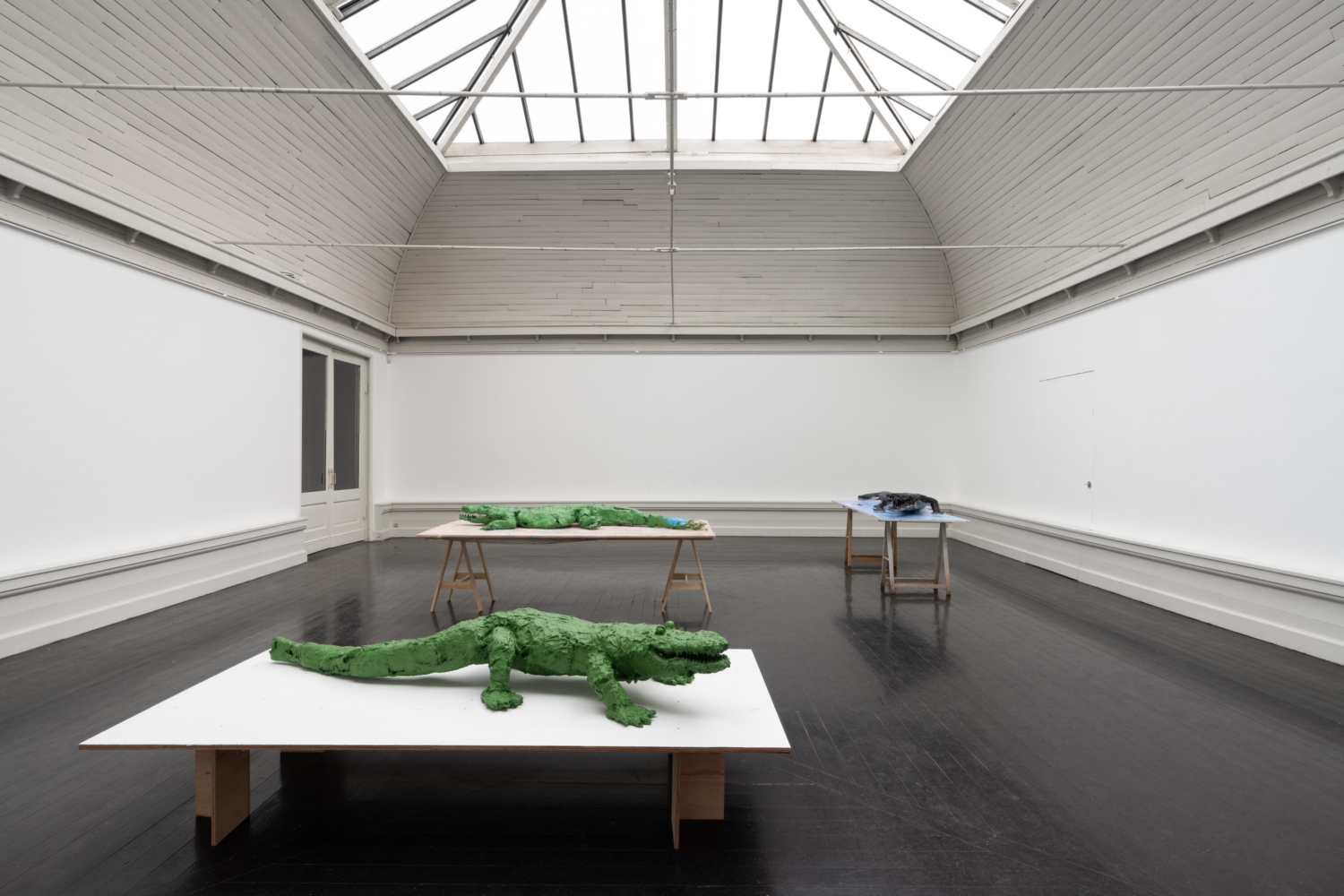
From one work to the next, a broad range of references and materials are digested, transformed into energy, or left behind as waste, only to be displaced into new forms. In the jumps between new and older works and within the works themselves, ideas of linearity, evolution and continuity appear to dissolve, allowing another sense of reality to emerge – one rooted in asymmetry, production and transformation. Through open juxtapositions and objects, Olesen introduces a kind of liminal state that cuts across bodies, images and materials, a state where insides and outsides, beginnings and endings are no longer clearly separated. The works activate our eyes, hands, stomachs and feet, engaging with the connections between body, gender and identity – how the body is constructed and how it can be reshaped.
Plasticity describes our ability, both cognitively and sensorially, to change ourselves, to adapt to new surroundings, but also how external impressions can imprint themselves on us in the form of inertia or trauma. According to Catherine Malabou, plasticity can be understood as a structure for transformation and destruction alike. The plastic potential for existential improvisation in relation to an environment that is also undergoing a plastic transformation serves as a foundation for many of Olesen’s works: as an inspiration for packing and unpacking, folding and unfolding phenomena in different ways across their conventional configurations, keeping them open to drives, desires and the unconscious. (2)
|
|
Installation view: Henrik Olesen, Food Chain incl. Prehistoric Animals, Den Frie, Copenhagen. Photo: David Stjernholm.
|
|
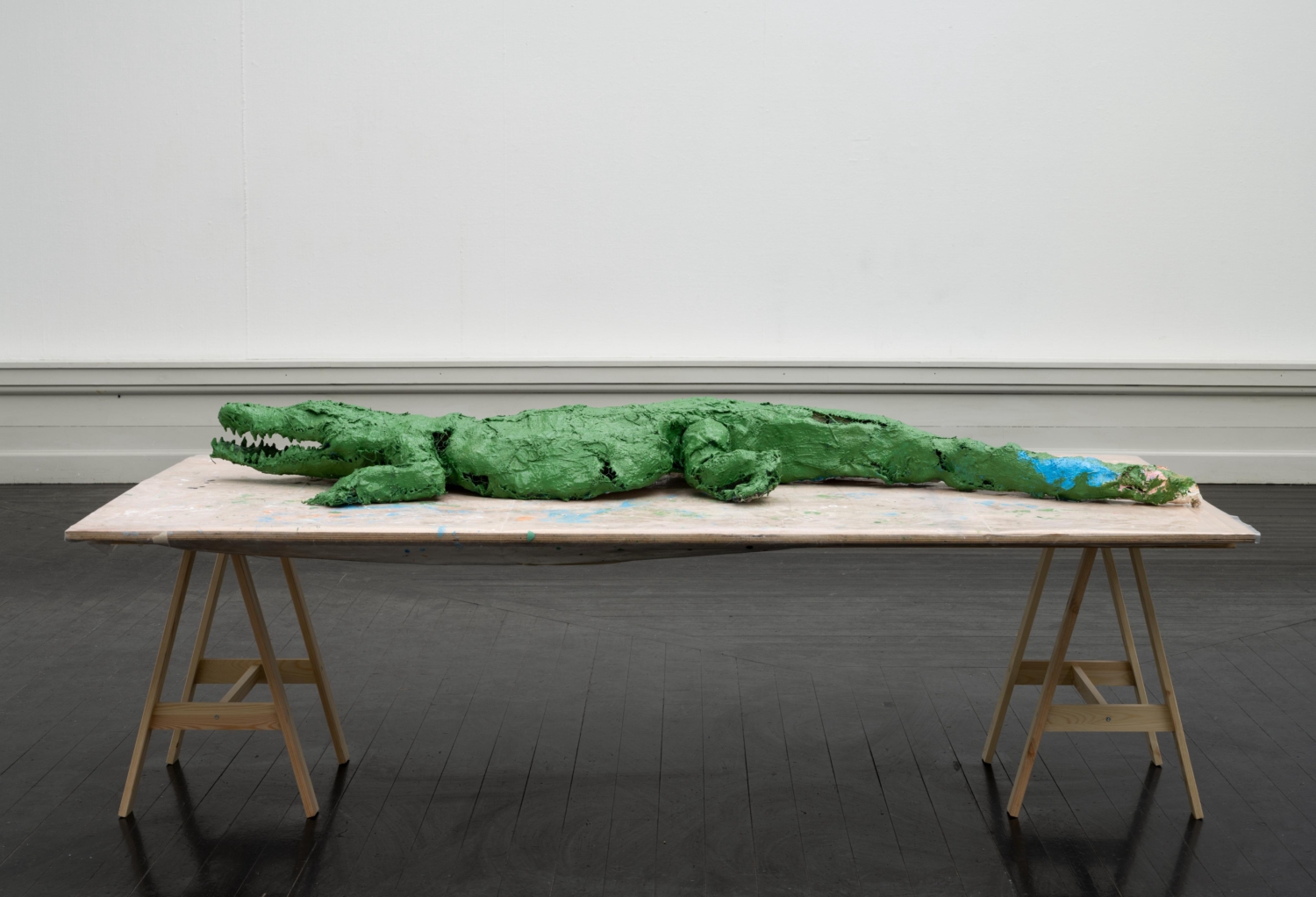
Henrik Olesen, The earliest Crocodilian, circa 95 million years ago, 2024. Installation view: Henrik Olesen, Food Chain incl. Prehistoric Animals, Den Frie, Copenhagen. Photo: David Stjernholm.
|
|
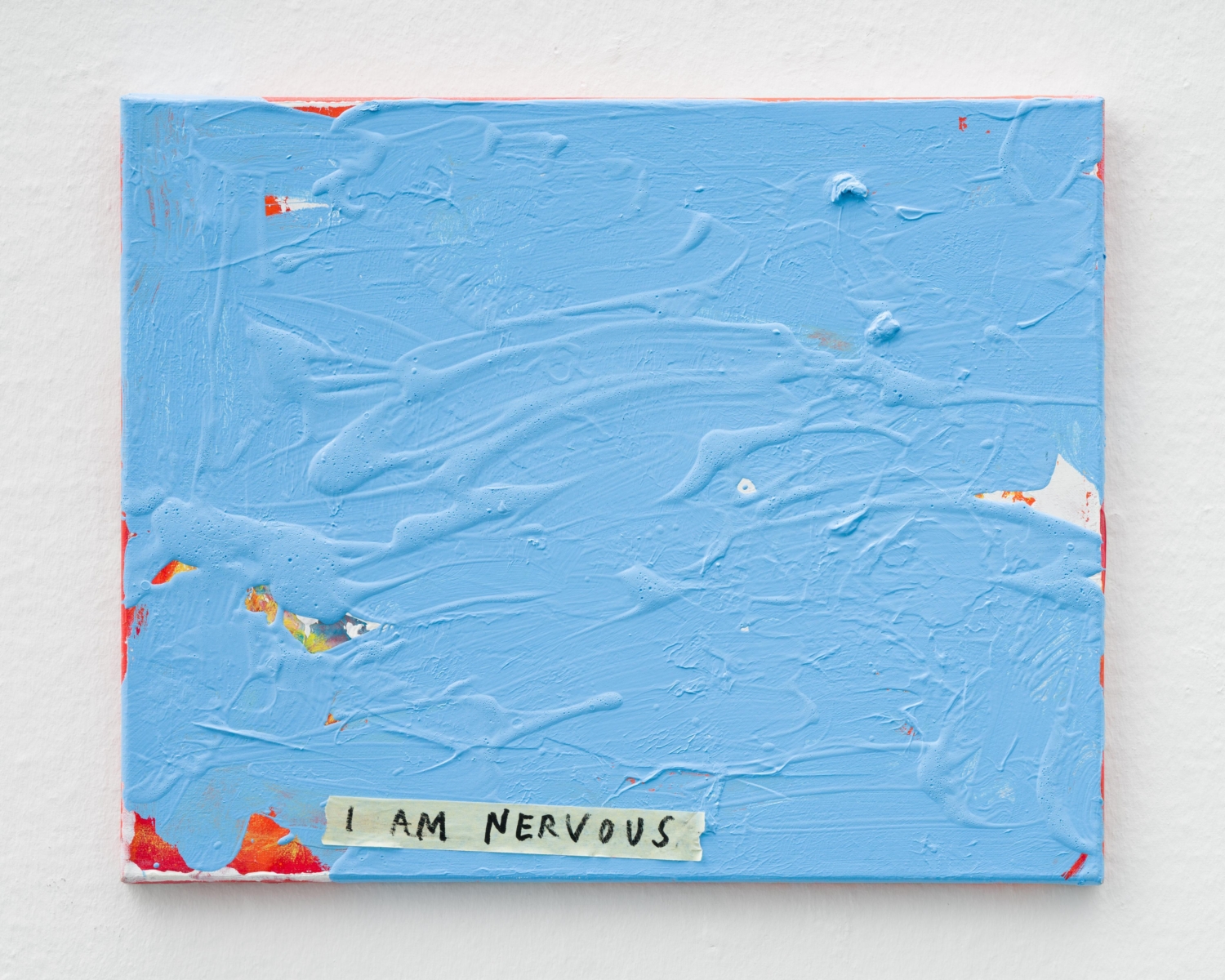
Henrik Olesen, I am nervous, 2025. Installation view: Henrik Olesen, Food Chain incl. Prehistoric Animals, Den Frie, Copenhagen. Photo: David Stjernholm.
|
|
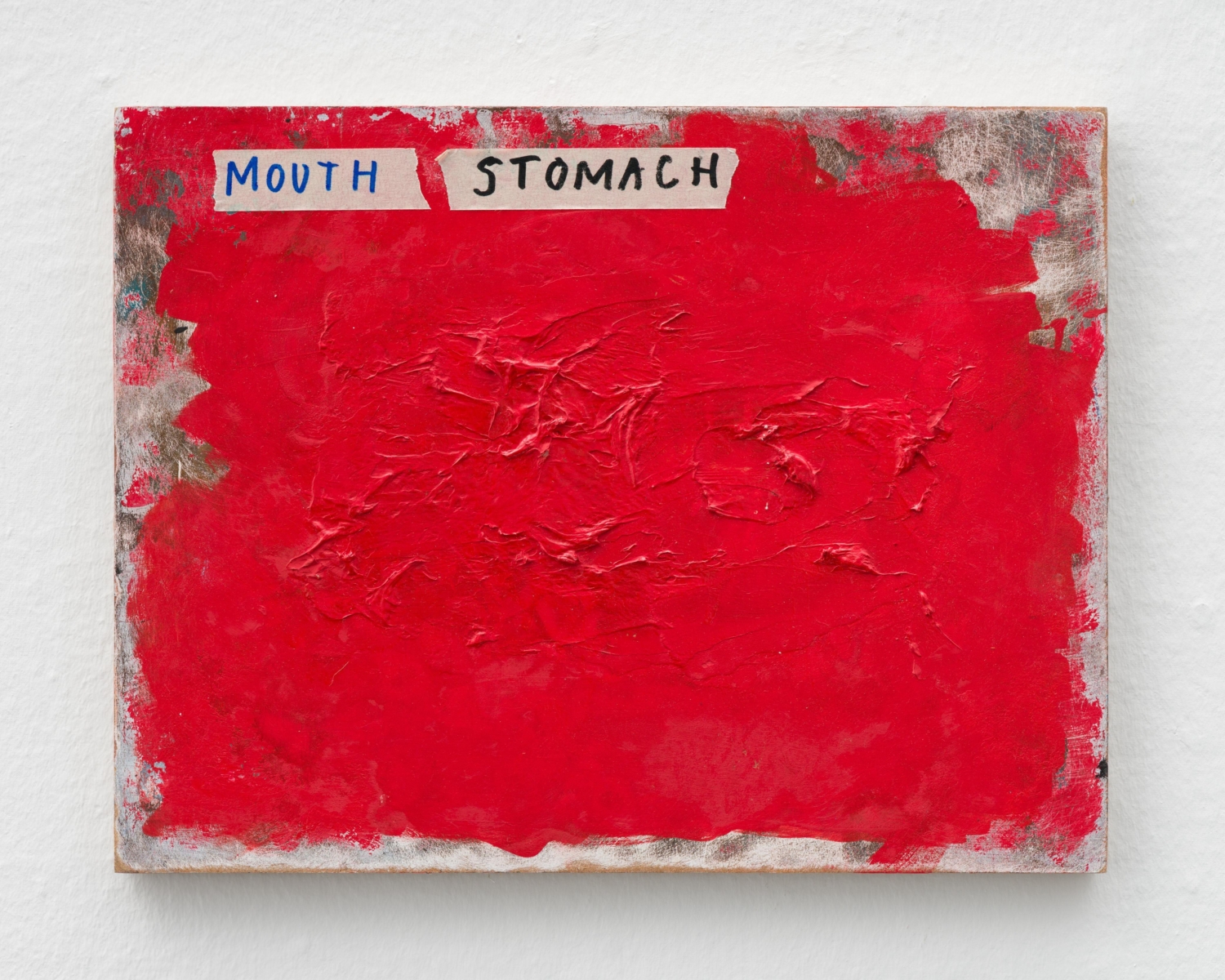
Henrik Olesen, mouth, stomach, 2025. Installation view: Henrik Olesen, Food Chain incl. Prehistoric Animals, Den Frie, Copenhagen. Photo: David Stjernholm.
|
|
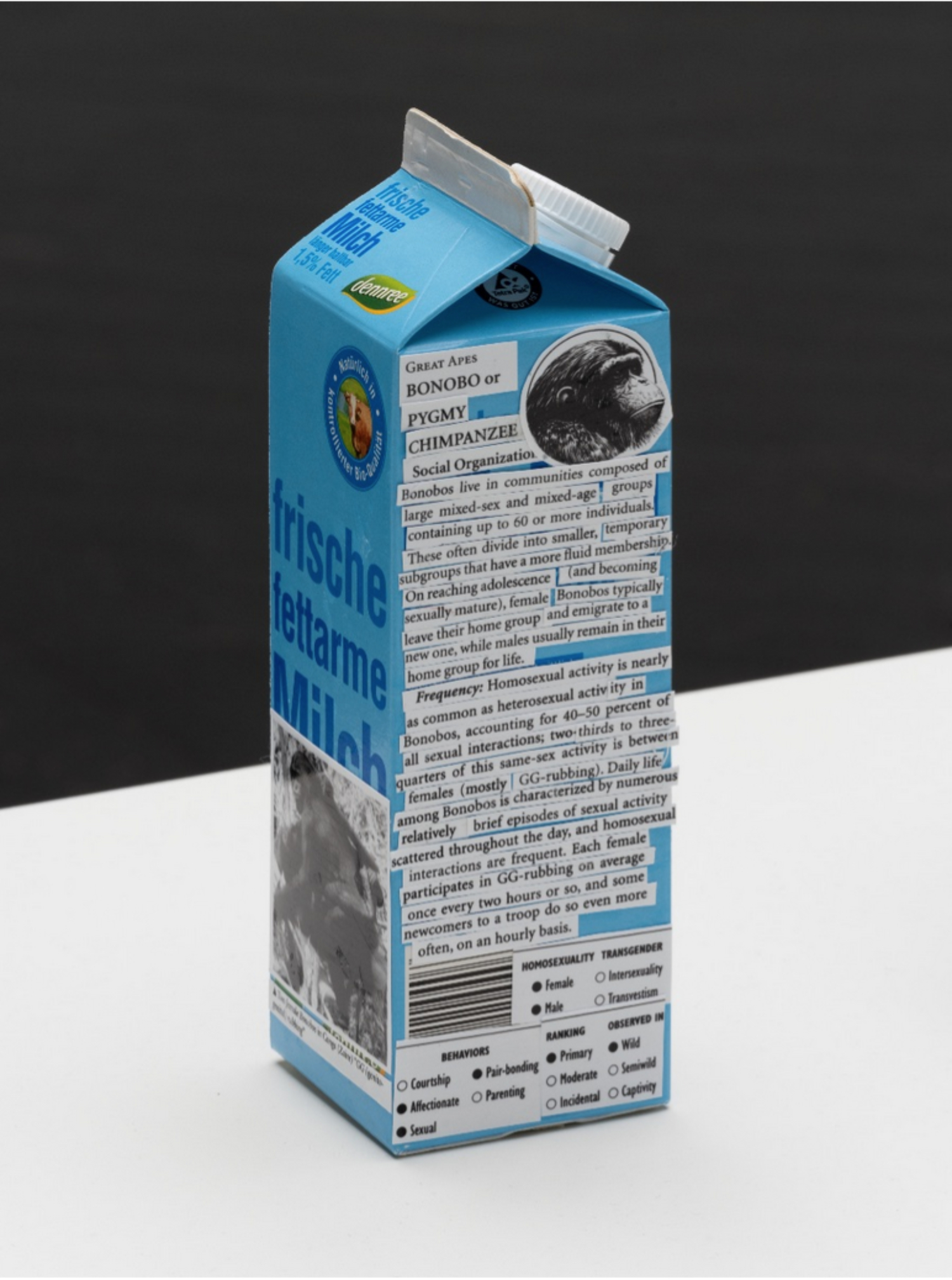
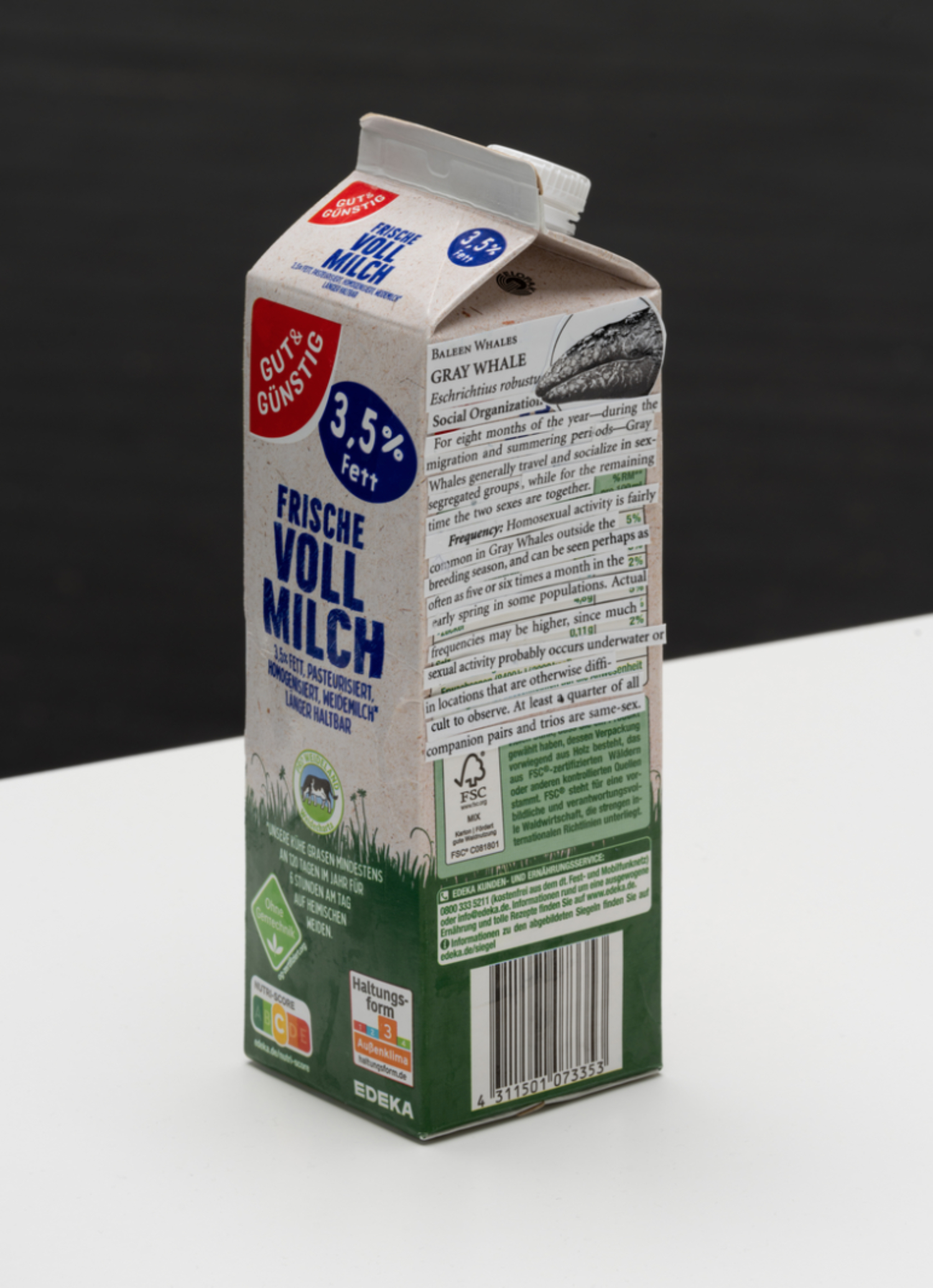
Henrik Olesen, Social Organization and Frequency of Homosexual Behavior among some Species of Animals, 2000/2024. Installation view: Henrik Olesen, Food Chain incl. Prehistoric Animals, Den Frie, Copenhagen. Photo: David Stjernholm.
|
|
Henrik Olesen, Social Organization and Frequency of Homosexual Behavior among some Species of Animals, 2000/2024. Installation view: Henrik Olesen, Food Chain incl. Prehistoric Animals, Den Frie, Copenhagen. Photo: David Stjernholm.
|
|
1. Excerpt from the press release for Annie Ernaux & Marc Marie, Ellen Cantor: Bedroom, Christmas Morning, Galerie Isabella Bortolozzi, Berlin.
2. Excerpt from the press release by Marianne Torp for Henrik Olesen, Food Chain incl. Prehistoric Animals, Den Frie, Copenhagen.
|
|
|
|
|
|
|