|
Gloria Hasnay and Danae Io
|
|
Reading List: I, etcetera
|
|
|
This is a selection of books that, for us, relate to the exhibition I, etcetera, brought together by a shared concern with how subjectivities are formed and articulated.
|
|
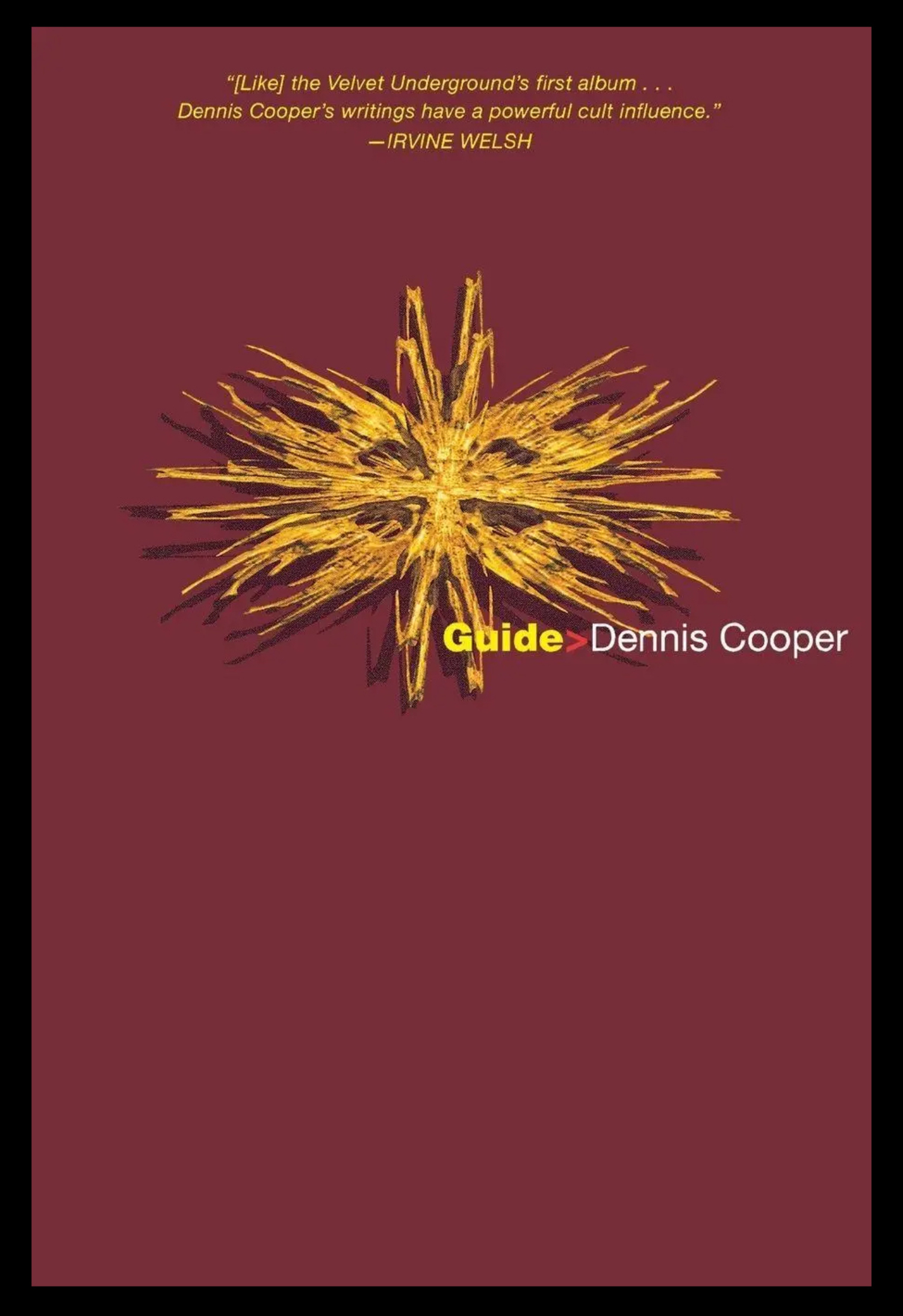
Dennis Cooper: Guide, 1998.
|
|
|
Structured through episodic chapters that move back and forth in time, Guide follows “Dennis,” the author/narrator, through a series of encounters and relationships, sexual and otherwise, in Los Angeles, where life can hardly be separated from the images made of it. Against this backdrop, the book tries to give language to the novelist’s fantasy life. Something of this slippage between what is lived and imagined also appears in the works on view in the exhibition at the Kunstverein.
|
|
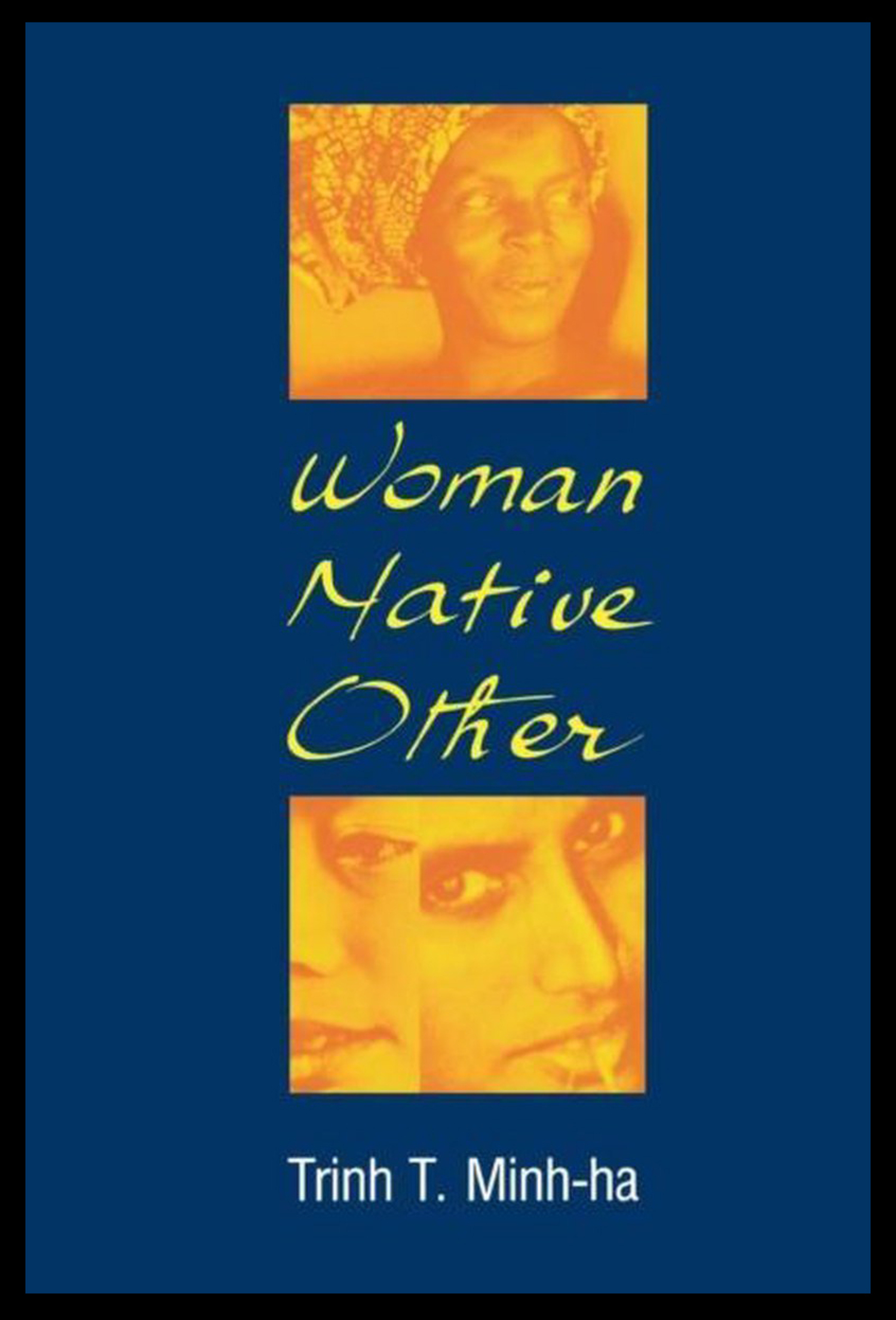
Trinh T. Minh-Ha: Woman, Native, Other: Writing Postcoloniality and Feminism, 1989.
|
|
|
Trinh T. Minh-ha, in this book, looks at how the “I” is constructed “in difference” in the act of writing, brushing against imposed categories. She writes from the experience of being named and represented by others, and how those definitions enter one’s own sense of self. This understanding runs close to the exhibition’s concerns.
|
|
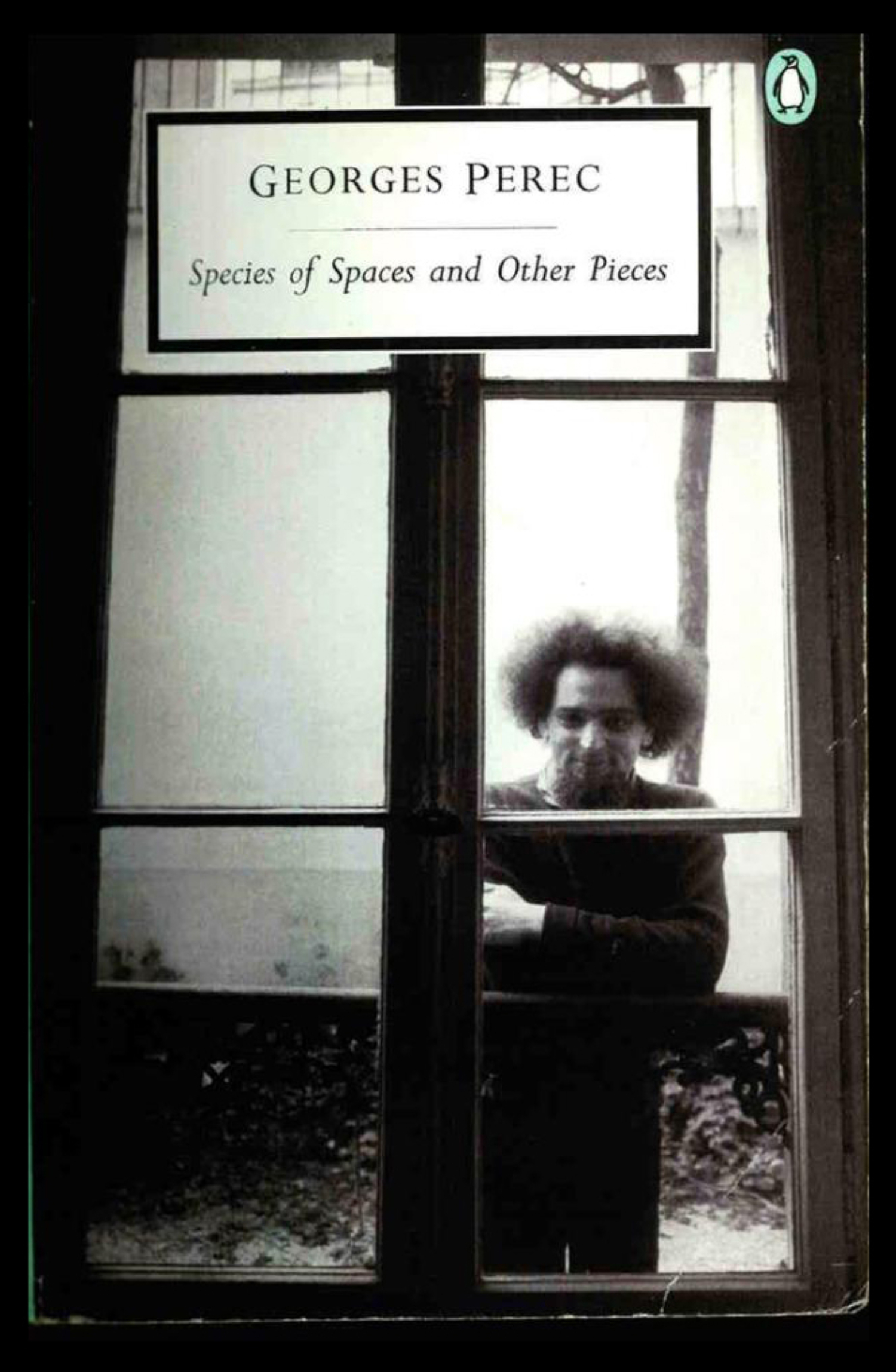
Georges Perec: Species of Spaces and Other Pieces (originally published as Espèces d’espaces), 1974.
|
|
|
In this book, Perec moves from the page and the bed to the room, apartment, street, city, and world, paying close attention to the spaces through which everyday life takes shape. I kept thinking about it while conceptualizing the show, particularly for the way it considers our surroundings as co-constitutive of our selves.
|
|
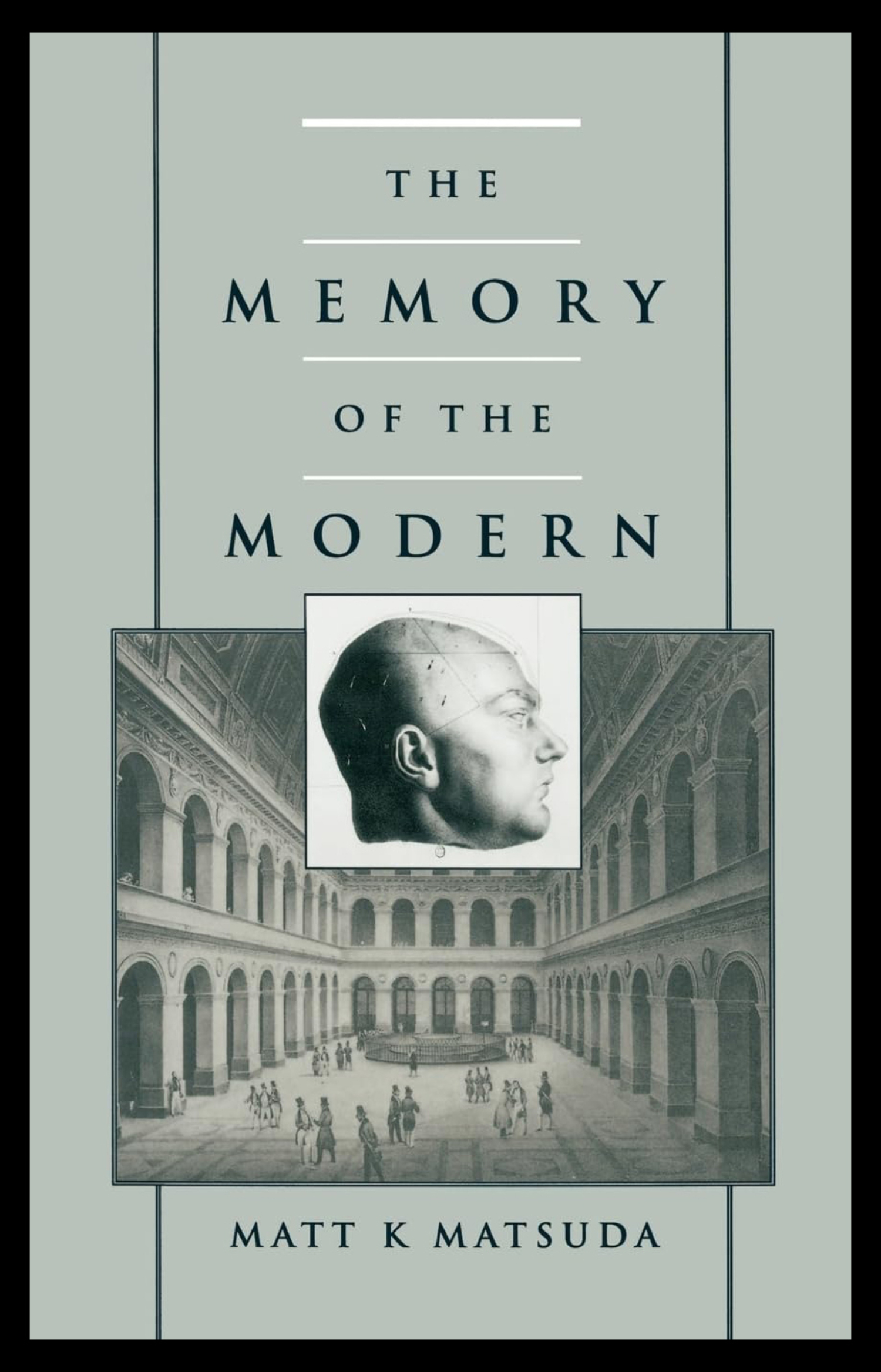
Matt K. Matsuda: The Memory of the Modern, 1996.
|
|
|
The Memory of the Modern kept me company while developing new works for the show. In the book, Matsuda provides a systematic study of how memory gets formed through institutions, individuals, and ideologies in the late 19th and early 20th centuries by discussing the stock market, neurology, and cinema, among others.
|
|
Margarita Karapanou: Kassandra and the Wolf, 1974.
|
|
|
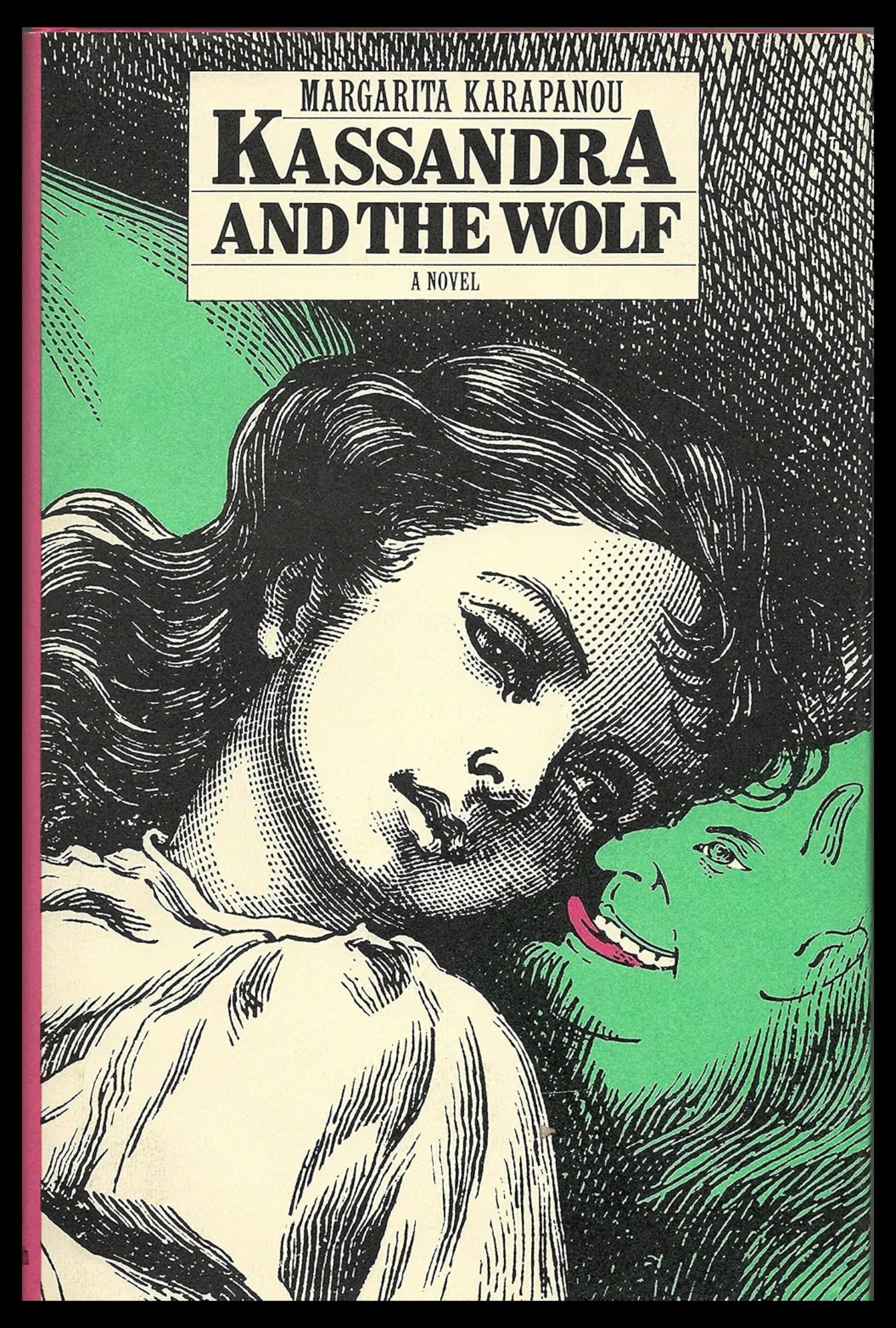
A six-year-old girl tells a disturbing story of childhood in a jagged voice that follows the inconsistencies of her view point. Cited in the book’s description are these words of Kassandra after she was given a doll, setting the tone: “I put her to sleep in her box, but first I cut off her legs and arms so she’d fit. Later, I cut her head off too, so she wouldn’t be so heavy. Now I love her very much.” Kassandra’s eeriness is echoed throughout the show’s many corners. Karapanou writes from the perspective of a child folding in the language of fairytales alongside some of the darkest crevices of the world.
|
|
Avery F. Gordon: Ghostly Matters: Haunting and the Sociological Imagination, 1997.
|
|
|
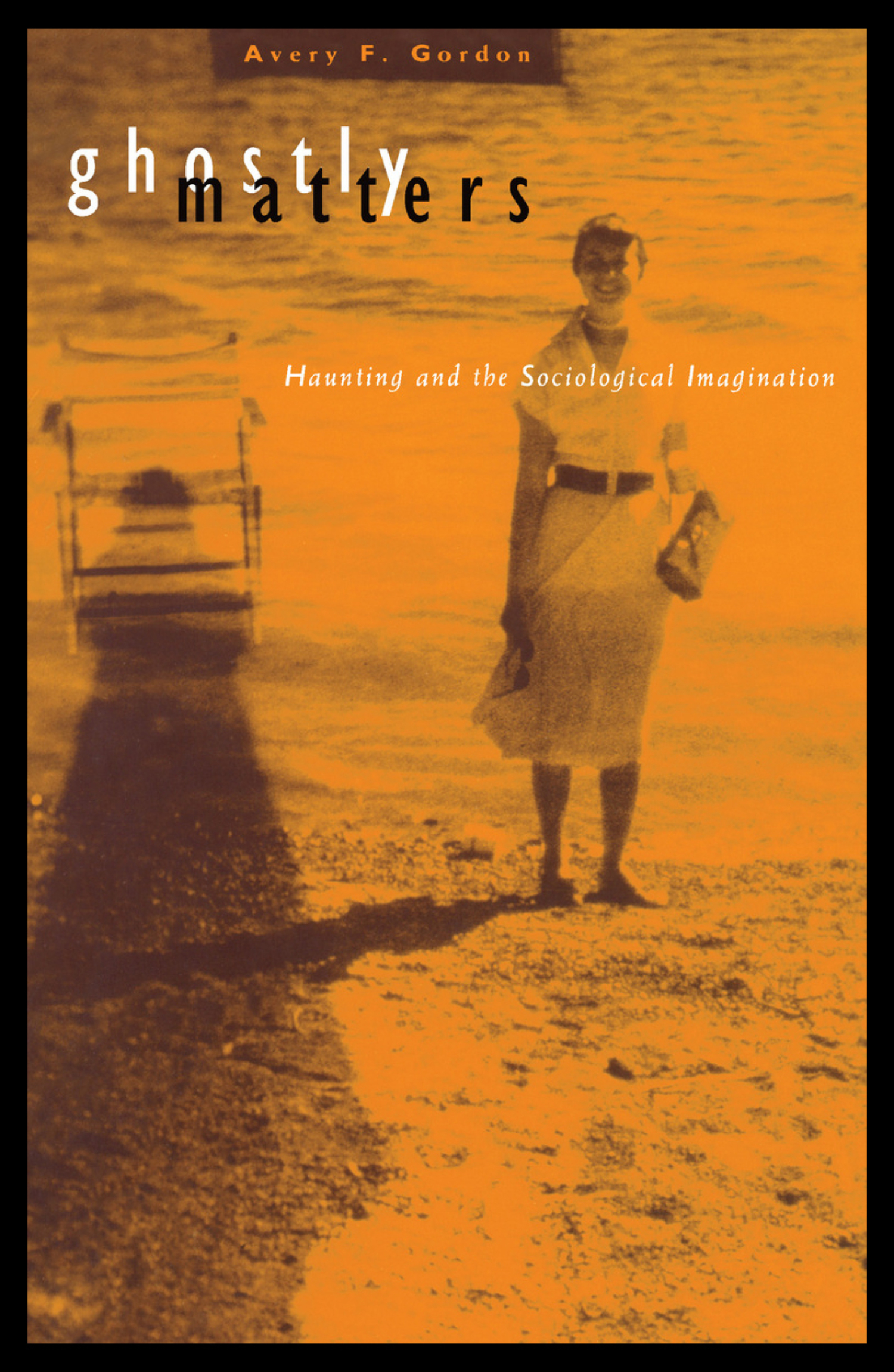
Ghostly Matters has been in the back of my head while thinking of the exhibition as whole and the ways it touches on complicated histories that aren’t revealed on its surface but linger hauntingly. Gordon writes about how social and material realities are haunted in ways that are hard to fully untangle and opens up methods of approaching them in their complexities.
|
|
Anna Mendelssohn Reader, midnight ink, 2023.
|
|
|
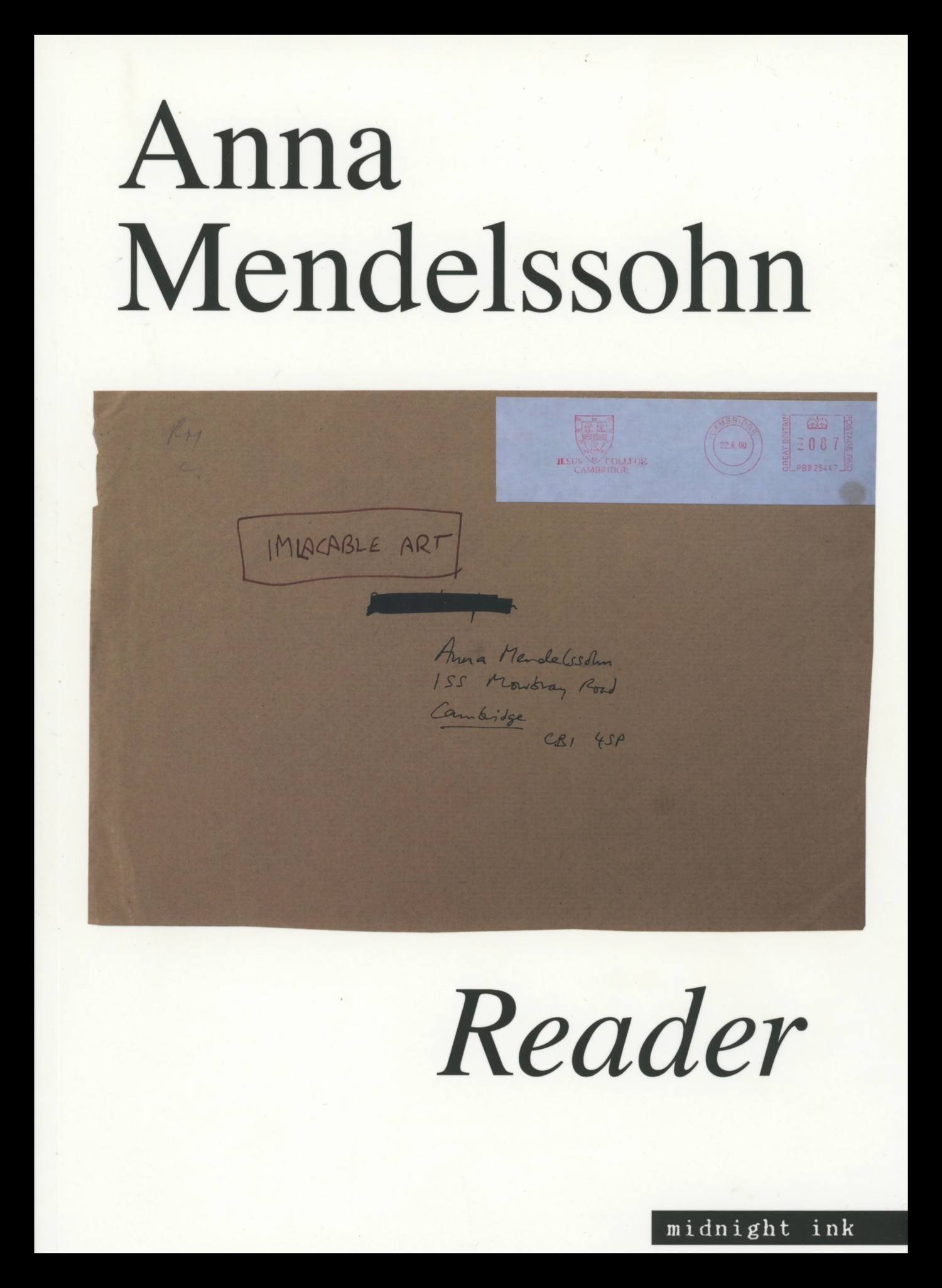
Edited by my friends Vera Lutz and Beatrice Hilke, the reader is dedicated to the work of poet and artist Anna Mendelssohn. For me, the book doesn’t directly have to do with the exhibition as such, but it comes to mind when thinking about broader questions of where, and how securely, an author can be located within their own work. Throughout her writing, Mendelssohn repeatedly shifted between authorial identities, publishing as Grace Lake, S. G. L. Lake, Nancy Pye, grace lagg, and numerous other pseudonyms. The reader’s “I,” too, is conceived as implicated in the work, bringing their own inner life and physical presence to Mendelssohn’s poems and other writing.
|
|
Unanswered Questions for Lydia Ourahmane – 5 Works
|
|
Lydia Ourahmane: 5 Works, Nicoletta Fiorucci Foundation, Venice. Photo: PROVENCE.
|
|
|
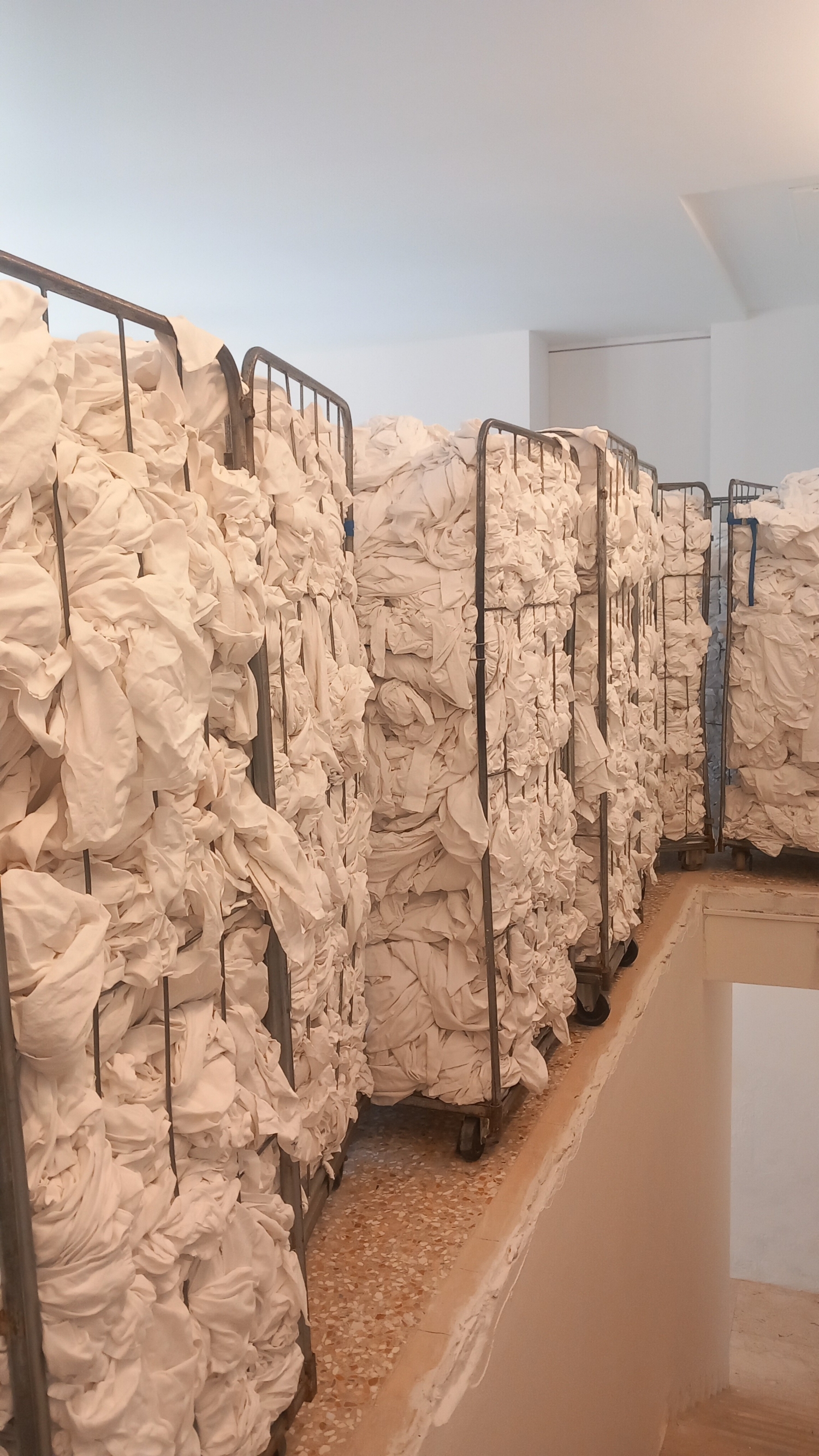
In a previous PROVENCE newsletter, Lydia Ourahmane's exhibition 5 Works at the Nicoletta Fiorucci Foundation in Venice came up briefly in our conversation with Tobi Maier, chief curator at the Amant Foundation. We soon realised that rather than discussing the work ourselves, we should ask you directly.
We thought the exhibition was one of the strongest things we saw in Venice this year: conceptually rigorous, emotionally precise, and sculpturally surprisingly confident, and yet absolutely a conformist approach. All of this intrigued us, and we prepared a set of questions, but unfortunately Lydia didn’t have time to reply; although a couple of emails have been sent back and forth, in the end, as we have done before, we decided to publish the Q without the A’s.
|
|
Lydia Ourahmane: 5 Works, Nicoletta Fiorucci Foundation, Venice. Photo: PROVENCE.
|
|
|
1.
In the text provided by Fiorucci it says that you “live in Venice”, while in fact, if we understood correctly, you are based in Barcelona and stayed in Venice between February and April as part of a residency organised by the Foundation in order to conceive the show. What does it actually mean today to “live” somewhere?
2.
The vaporetto pier project fascinated us precisely because it risks producing a strange kind of accelerated intimacy. One could cynically read the gesture as a kind of fast-track engagement with Venice: arriving temporarily, absorbing the city intensely, producing work and then leaving again. Almost like the logic of biennial culture itself, Manifesta style. At the same time, the exhibition itself seems deeply aware of this danger and constantly reflects on extraction, tourism, local economies and temporary belonging. Could you speak a little more about how you personally navigate this tension while working in a city like Venice?
3.
You produced an enormous amount of new work in a very short period of time. It almost felt as if every encounter you had in Venice became productive material for the exhibition. What is your relationship to productivity and surplus value as an artist? 4.
Could you describe one project, gesture or encounter in Venice that you initially wanted to turn into a work, but ultimately decided not to pursue or your conversation partner declined? And why?
5.
What are you reading at the moment?
Very best,
PROVENCE
|
|
Lydia Ourahmane: 5 Works, Nicoletta Fiorucci Foundation, Venice. Photo: PROVENCE.
|
|
|
|
|
|
|