|
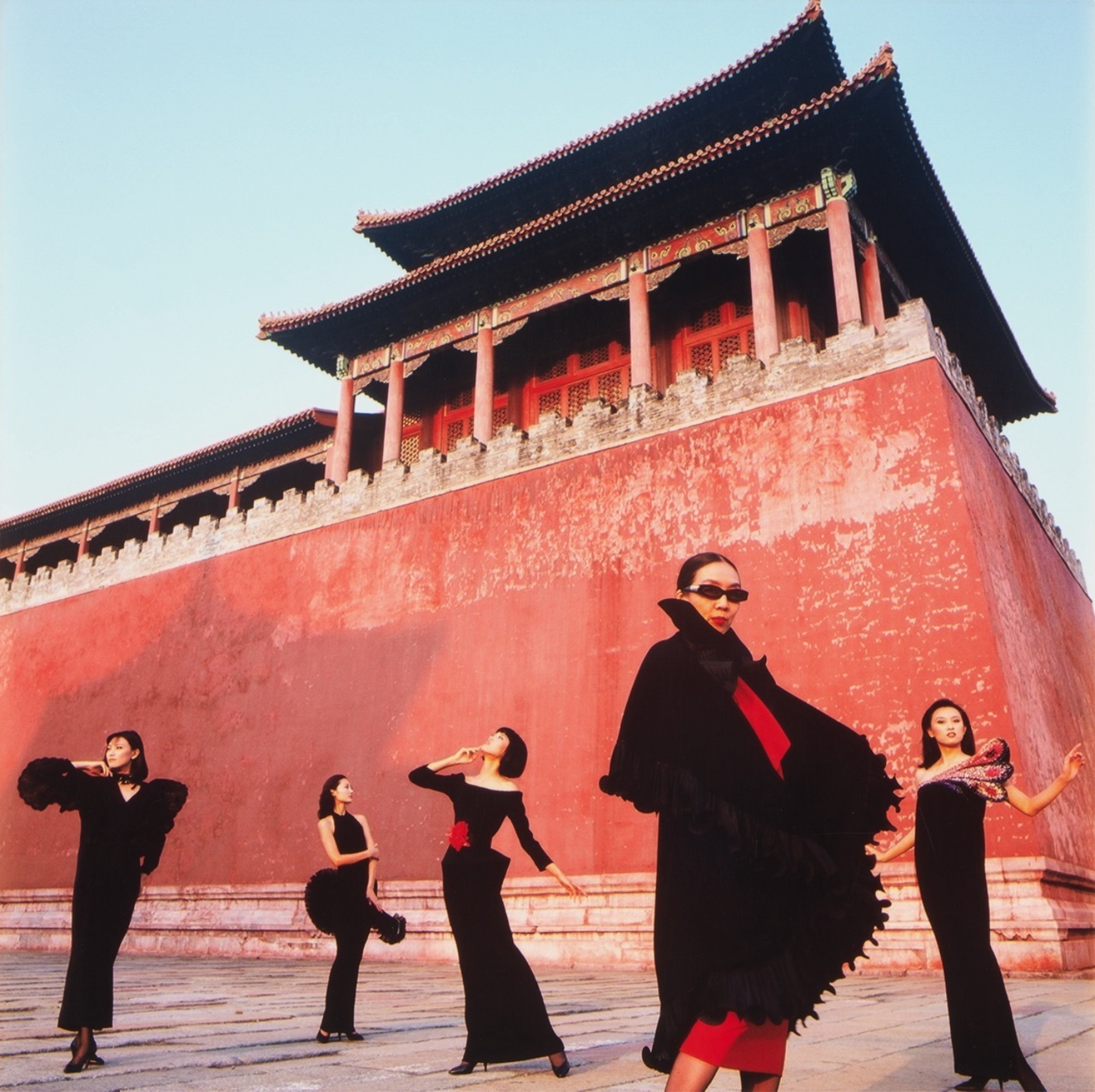
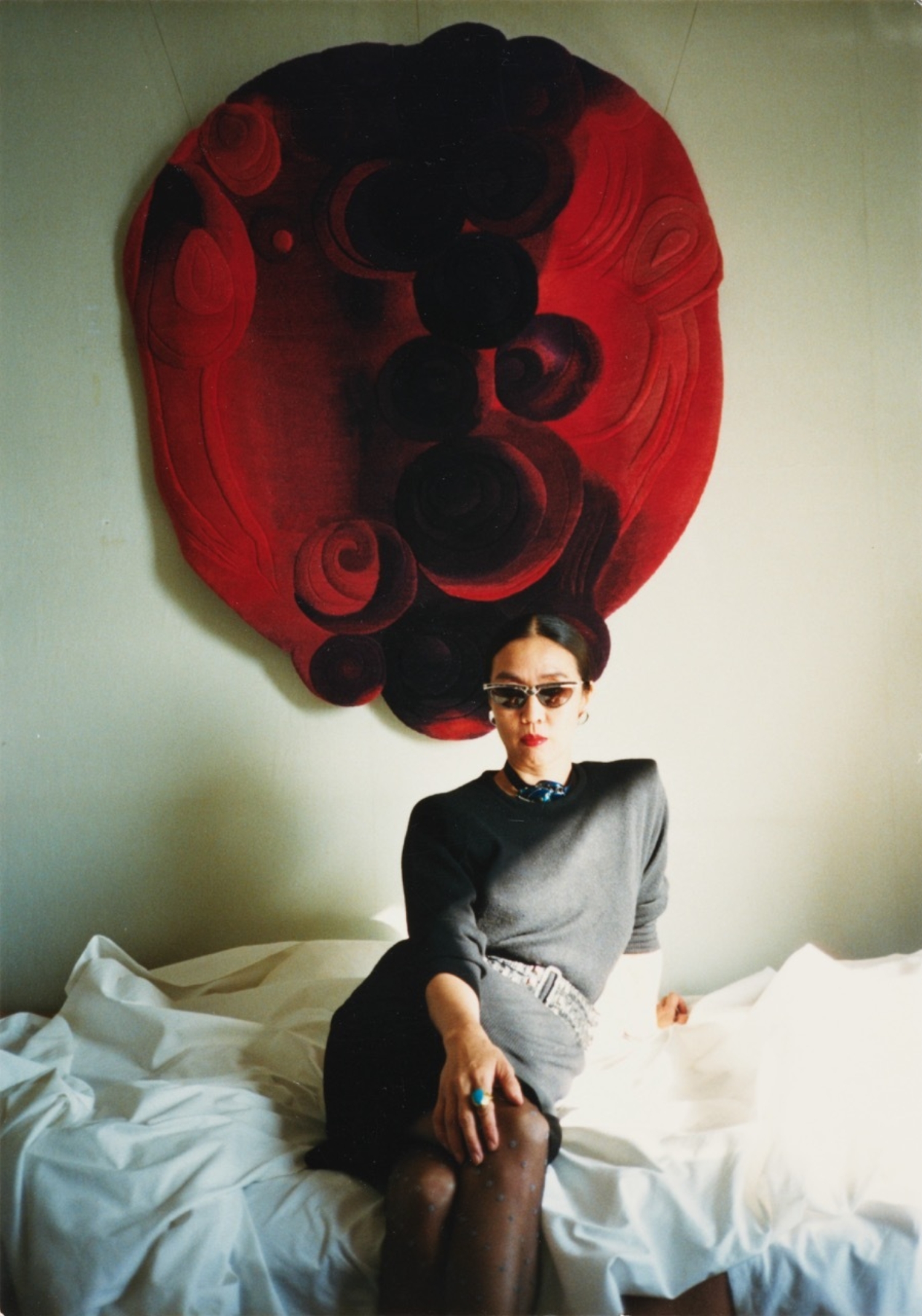
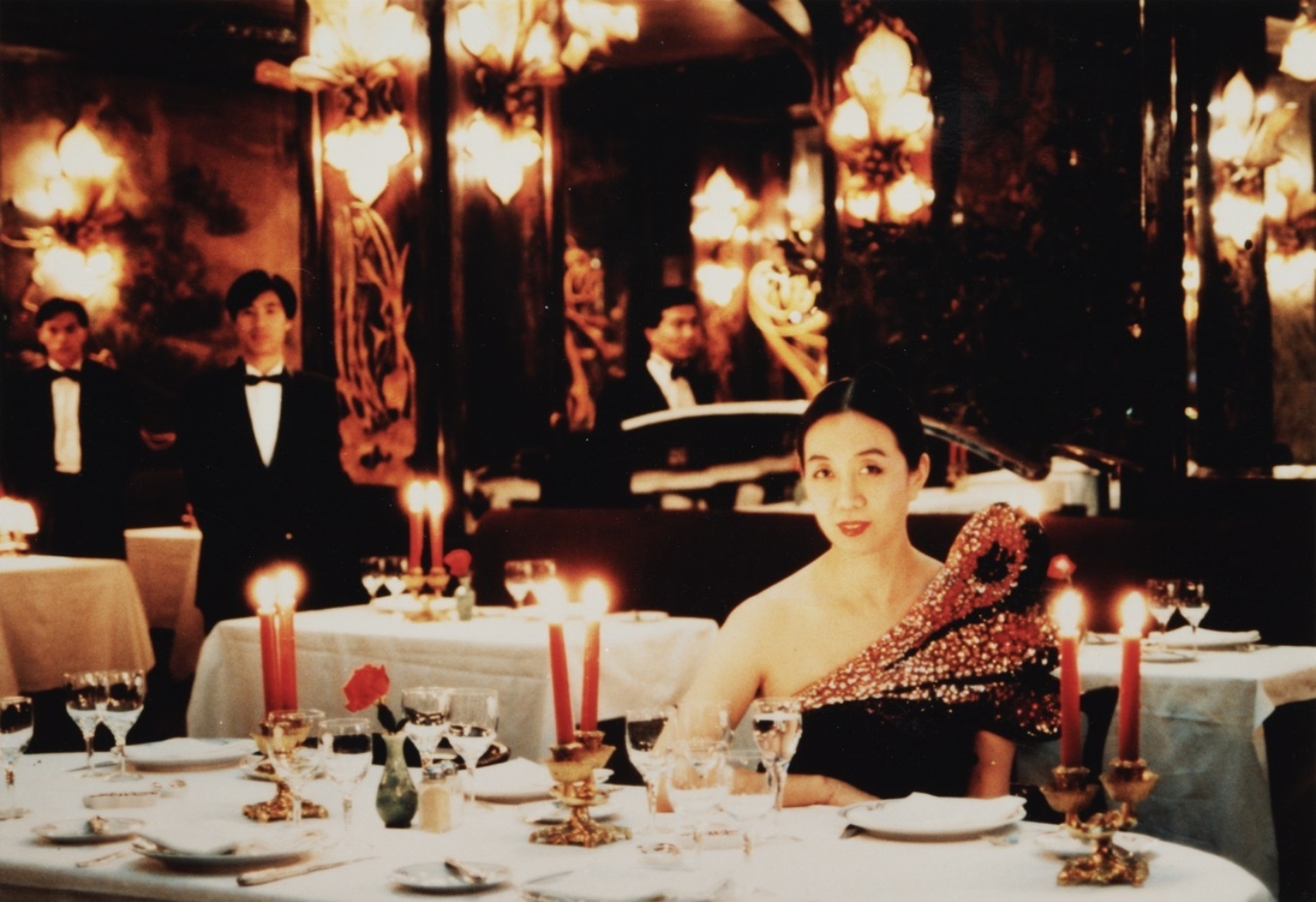
PROVENCE: Wu Mo, you mentioned the ambition to find a partner in Mainland China to show the exhibition. What, in your opinion, would be the perfect fit? Wu Mo: Since the story of the exhibition originated from Beijing, it would be ideal to tour the exhibition to a Beijing institution. But location is not the only prerequisite as M+’s goal has always been expanding the exchanges and collaborations with the institutions in different cities of Mainland China. Considering the safety of our collection works and loan objects included in this exhibition, I would say the facility and professional capacity are our top parameters to identify and determine a suitable partner. PROVENCE: I think it would be equally interesting to bring this exhibition to Paris, mainly because of the Pierre Cardin connection and the constant exchange between Europe and China in Madam Song's life. When I had my first solo show in 2019 at Galerie Urs Meile in Beijing, a curator and critic from Beijing used the Pierre Cardin story to contextualize my work, which dealt with questions of identity and how textiles and fashion have always been a place where cultures fuse. Pierre Cardin was keen on exporting and developing new markets. What’s your take on such culturally business-driven expansions? Wu Mo: When we were doing research for the exhibition, we found that Pierre Cardin was keen on expanding his fashion business empire to Asia as he was quite sensitive to the huge potential of this market. Before encountering Madame Song, he had already paid a few visits to Asian countries including Japan and China at the end of the 1970s. He brought models and photographers with him and even managed to organize a fashion show (although only open to professionals working for the then Ministry of Light Industry) in Beijing. The exhibition also captured this “pre-history” through several archival images. But for Cardin, both a fashion designer and a businessman, the charm of China consisted not only of its enormous market and the great opportunities that came with the opening-up, but also the inspirations brought by its rich cultural heritage. One of his signature designs was the “pagoda shoulder,” exactly inspired by the upward edge of Chinese pagodas. One of the key messages we want to convey in the exhibition is the intertwined relationship of avant-garde and commercial cultures in 1980s China through the lens of the fashion industry, which is vividly reflected by the clipping of Troubleshooters in the exhibition, a significant avant-garde film released in 1988. The clipping shows a fabricated literature award ceremony and the warm-up performance before it. The performance opens with a group of fashion models trained by Madame Song and her friend, and soon multiple performers such as Beijing Opera characters, Red Guards, disco dancers, bodybuilders, and traffic policemen all mix and dance together on the stage. The film captured the rapid changes, absurdity, and hybridity of China’s society after the opening-up. In this process, avant-garde culture (film, literature, and art) and commercial culture (fashion and modeling) were actually in a highly symbiotic and interactive relationship. PROVENCE: Madame Song created artwork, mainly tapestries, with her husband, Maryn Varbanov. From today’s perspective, we could argue that their artworks have lost some relevance, with Madam Song's life being the overarching narrative to tell. However, during their lifetime, and especially before the Cultural Revolution, their work had a significant impact on the Chinese art scene. Could you elaborate on this? Which is your favorite artwork by them together, or by her alone? Wu Mo: Madame Song’s identity as an artist is the starting point of her career and the first identity we introduced in the exhibition. She was originally trained as an oil painter at Central Academy of Fine Arts in Beijing, where she met her future husband, Maryn Varbanov. But she didn’t start practicing tapestry art until the 1960s, when the couple was based in Sofia and Paris. Their collaborative works were selected twice by the renowned Lausanne International Tapestry Biennale, in 1971 and 1973. Through the 1960s to 1970s, their major artistic exploration was to liberate tapestry making from pure craftsmanship and the traditional 2D form and to introduce and develop more kinds of fibers and languages to innovate this medium, allowing more possibilities to express diverse artistic concepts and dialogue with modern architectural spaces. The couple’s impact on the art world in China actually took effect in the 1980s after their return, especially after Varbanov established the Tapestry Institute at Zhejiang Academy of Fine Arts with the support of Madame Song. Together, they nurtured the younger generation of Chinese avant-garde artists who were active during the ’85 New Wave, such as Gu Wenda, Liang Shaoji, and Shi Hui. The Dream of Zhuangzi by Madame Song in the holdings of M+ impressed me the most. The work belongs to her significant Butterfly series, inspired by the famous Taoist fable in which the Taoist philosopher Zhuangzi dreams of himself becoming a butterfly. Formally, she wove the piece into the shape of a blue butterfly with open wings, but designed the main body of the butterfly to resemble female genitalia, reflecting the influence of feminist thought she encountered in the West. It precisely demonstrates Madame Song’s life-long commitment to being a cultural ambassador who creatively bridged Western and Eastern cultures, as well as her autonomy as a female maker. PROVENCE: The exhibition displays a gorgeous collection of Pierre Cardin’s dresses, contrasting avant-garde fashion with the backdrop of Beijing in the 1980s. I'm curious to hear more about the reception of Pierre Cardin's designs in China at the time. Considering today's growth and diversity in the Chinese consumer market, how was the French brand understood after Madame Song brought it into China? Who were the key figures first responding to the avant-garde fashion back then? Wu Mo: Through the research we did on the reception of the brand in China, as well as many interviews we conducted with the figures who were familiar with Madame Song or with the visual cultural landscape of China at the time when we prepared for the exhibition, our viewpoint is, after Pierre Cardin had entered China in the early 1980s, it soon became a brand symbolising high-class lifestyle for the nice tailoring, high quality and price of its products, especially the menswear. It was even more evident when the brand was frequently mentioned in pop culture, such as TV dramas and sketch comedies. But Cardin focused more on developing the brand licencing business in China starting from the 1990s, which eventually led to massive pirate products on the market that deeply harmed the brand’s image in China.
The emerging fashion designers in China were inspired a lot by their international peers and new trends, such as Wu Haiya, Ma Ke, and Guo Pei featured in the exhibition. The booming fashion and textile industries, as well as modelling culture, were also a prevailing theme reflected in many films, such as Troubleshooters, 黑蜻蜓 and 街上流行红裙子 etc. PROVENCE: The exhibition describes Madame Song as an art and fashion pioneer, and I can see how she could be quite an aspirational figure for today’s e-girls, it-girls, or influencers. However, Madame Song's name is not frequently mentioned, even within a Chinese context. Why do you think that is? Do you think the exhibition will educate young influencers and position Madame Song as a benchmark? Or are today’s influencers too closely tied to platform content generation to be compared to Madame Song, who lived an elite life during an era of change? Wu Mo: For sure, Madame Song is no longer a household name nowadays, partly because she passed away at a relatively early age. The fact that the two highlights of her career, Pierre Cardin and Maxim’s Beijing, are past their heyday also doesn’t help to maintain her popularity either. The exhibition and the publication we produced both intend to shed a light on a female maker’s great courage, potential, creativity, tenacity, and resilience during the hard times. We definitely hope the spirit of Madame Song can inspire more audiences from younger generations. PROVENCE: Madame Song was highly innovative in constructing a visual identity as a Chinese figure in her "Five Dynasties" series. This reminds me of 新中式, a longstanding fashion trend recently embraced with enthusiasm by young Chinese netizens. An example would be the London-based Chinese designer brand Samuel Guiyang. The similarities are clear, as both blend historical Chinese garment designs with trendier contemporary looks, and both emphasize filmic inspirations. What’s your take on using fashion as a tool for constructing new identities? Do you see it as effective as it’s advertised to be? What do you think was the intent behind "Five Dynasties" for Madame Song? Wu Mo: There is a small section in the exhibition showing a side story that how the development of fashion industry and growing ready-to-wear products stimulated the self-expression and self-emancipation of Chinese women since the 1980s, as fashion is one of the most visualised tools to express one’s individuality and taste.
We wanted to present this side story because it closely relates to Madame Song‘s life story. When she lived in the Europe in the 1960s and 1970s, she was highly aware of manifesting her cultural identity by wearing and designing traditional Chinese garments, which were all represented in the exhibition by selected archival materials. One of her friends described her: “when Madame Song was in Paris, she dressed as a Chinese; but after she returned to China, she looked like a European.” It is very obvious that Madame Song strategically utilised the effect of outfits to respond to her different identities and cultural contexts. This also laid the foundation of her motivation of promoting the traditional costume culture of China through initiating Five Dynasties. PROVENCE: Whether intentional or not, Madame Song created a great recipe for fostering an art and fashion community—a distinctive artistic movement, an avant-garde fashion brand. Any vibrant art scene seems to require such components. In your personal experience, have you ever experienced the magic of this trio—art movement, fashion brand, and bar—that left an important mark on your life in art?
[Dr Wu Mo doesn’t have any personal experience relevant to the question. Thanks for your understanding.]
|