PROVENCE READING LIST – SUMMER 2025
|
|
|
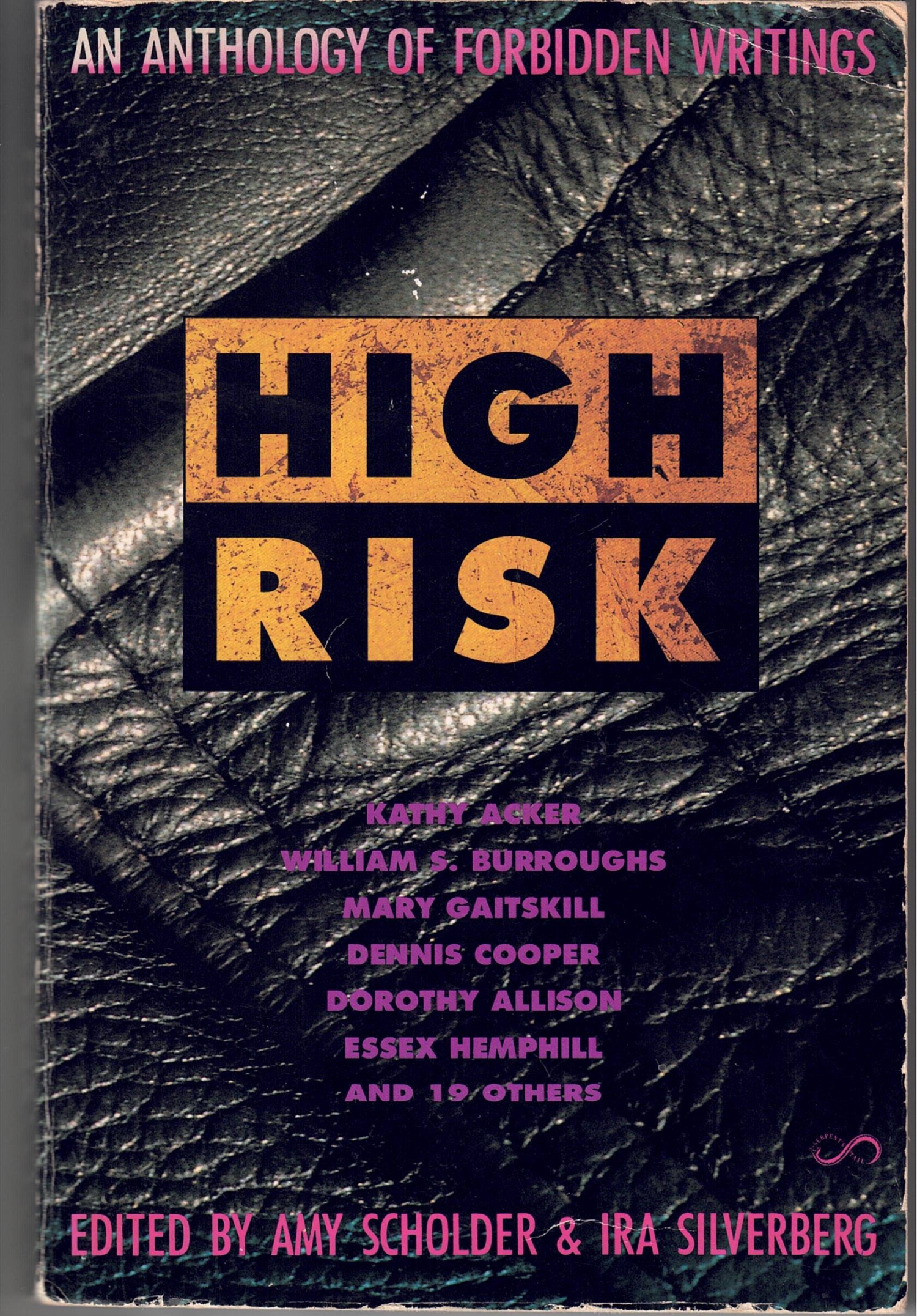
Amy Scholder and Ira Silverberg, High Risk 1: An Anthology of Forbidden Writings (Serpent’s Tail, 1991) This first book of a 1990s series focused on explicit writings is described as a “provocative collection” of short fiction, poetry, and essays. For me, the anthology is a tender yet unapologetic read that I’ve returned to frequently over the past two years. It brings together voices that speak from the so-called margins (Flanagan, Mueller, Cooper, Tillman, Gaitskill, Glück, to name just a few), and moves fluently through the shadow regions of eroticism, sex, and transgressive behavior. One darkly lyrical line that’s stayed with me—about how we relate to others, or no longer do—comes from Gary Indiana: “… you turn expecting to see a familiar face aged with the traces of everything that’s happened to it in all these years & it’s the face of a complete stranger.”
|
|
|
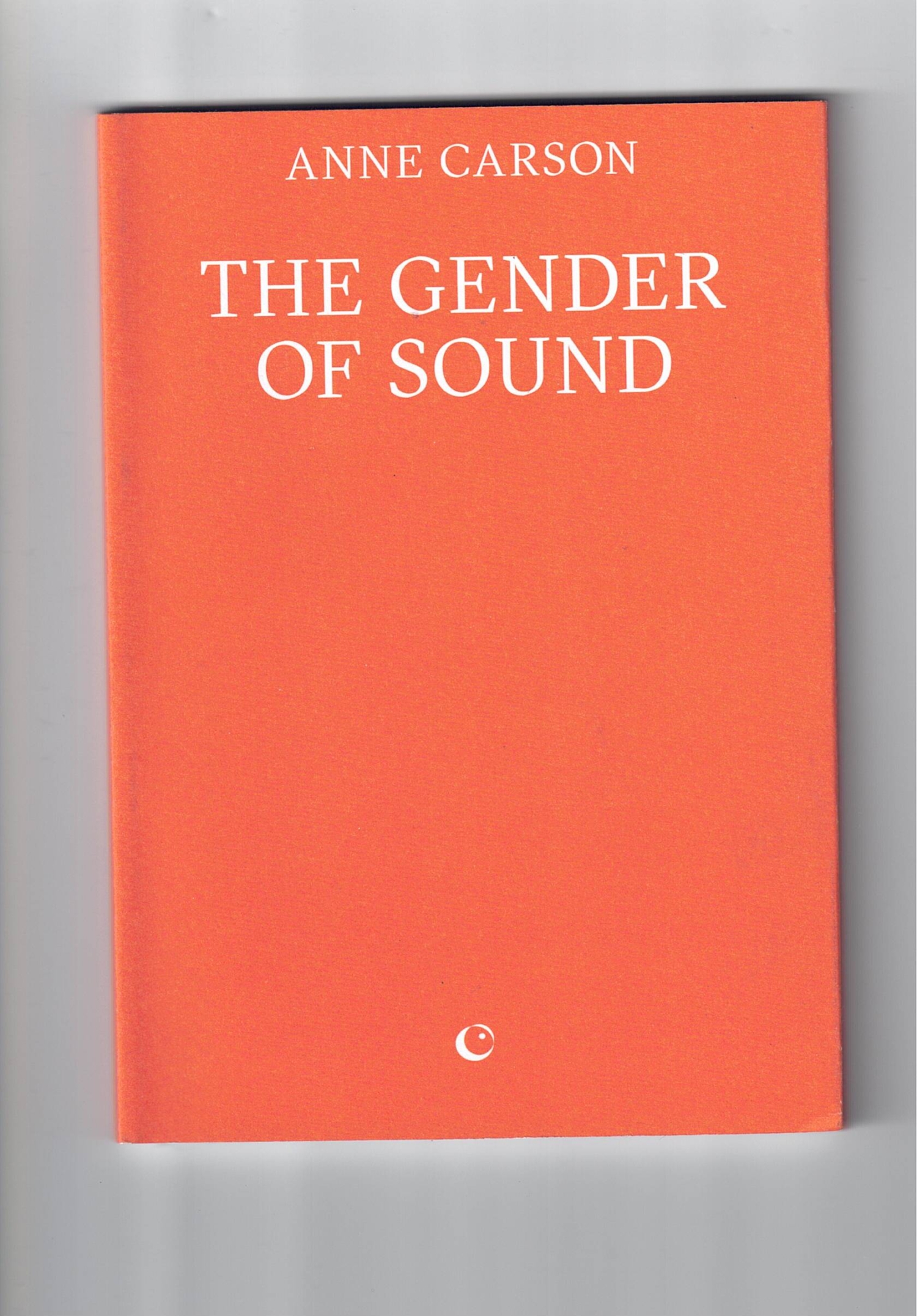
Anne Carson, The Gender of Sound (first published in 1995; Spiral House, 2025) “Every sound we make is a bit of autobiography.” With her usual sharpness, Anne Carson charts the gendering of sound in Western culture in this little book, reissued this year, thirty years after its original publication. Drawing on references ranging from Greek mythology to philosophy, psychoanalysis, and literary anecdotes, the book examines how the regulation of sound has long been a patriarchal project, often framing female-coded sounds as disorderly or excessive. Having recently read The Gender of Sound, I found myself thinking about how timely it still is, especially in relation to the way the female mouth (or mouths) is (are) still regarded by many as something in apparent need of regulation.
|
|
|
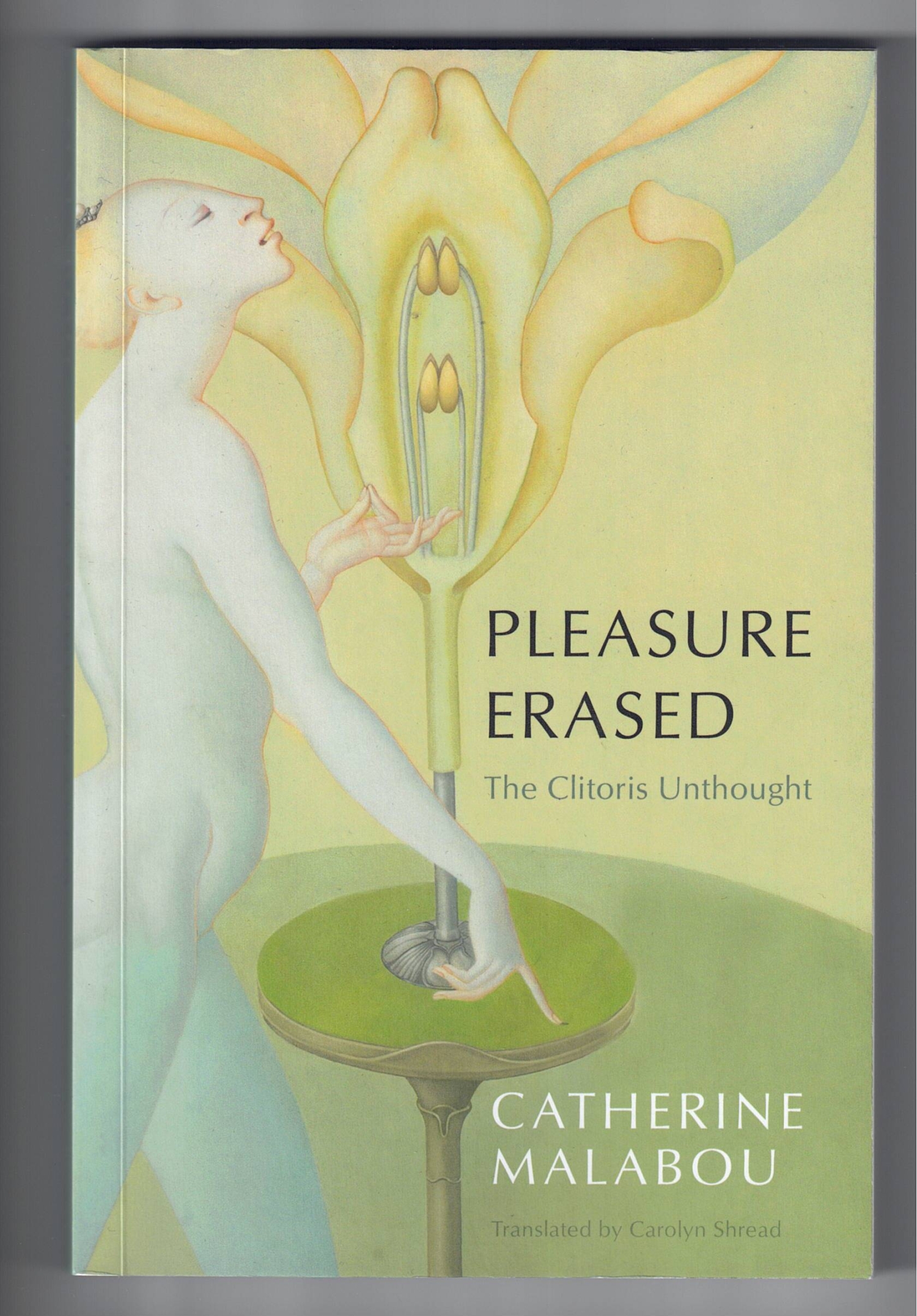
Catherine Malabou, Pleasure Erased: The Clitoris Unthought (Polity Press, 2022) I’m currently working my way through Catherine Malabou’s 2022 book Pleasure Erased. In it, she turns her attention to an organ of pleasure which, she argues, has yet to become an organ of thought. Unlike concepts such as ‘woman’ or ‘sex,’ which have been endlessly theorized and symbolized in Western philosophy, the organ in question, the clitoris, resists that kind of overexposure. Still, the clitoral and its corresponding pleasure assert material forms of experience that, as Malabou writes, resist phallic power and remain indifferent to hierarchical binaries. Consequently, Malabou describes these “clitoral zones” as denaturalized and non-binary, referring to the “feminine” not as a fixed gender, but as a kind of malleable positioning.
|
|
|
Jean-Luc Hennig, The Little Black Book of Grisélidis Réal, translated by Ariana Reines (Semiotext(e), 2009) Grisélidis Réal recently re-entered my life through The Little Black Book. A friend in Zurich had it perched atop one of her towering piles of books at a moment when I found myself in the position of staring down a trip with nothing to read; so I borrowed it. Réal was a Swiss writer, artist, sex worker, and activist as well as a pioneering, vocal advocate and organizer for sexual freedom and the rights of prostitutes. Originally published in 1981, when Réal was in her fifties, The Little Black Book includes a lengthy series of interviews with the editor Jean-Luc Henning, in which she eloquently reflects on the theoretical implications of sex-positive whoring and recounts her experiences within and beyond the profession. The volume also showcases the intimacy of her record keeping, as Réal logged her clients in an analytical, almost investigative manner. Sharply intelligent, it makes for a compelling and absorbing summer read.
|
|
|
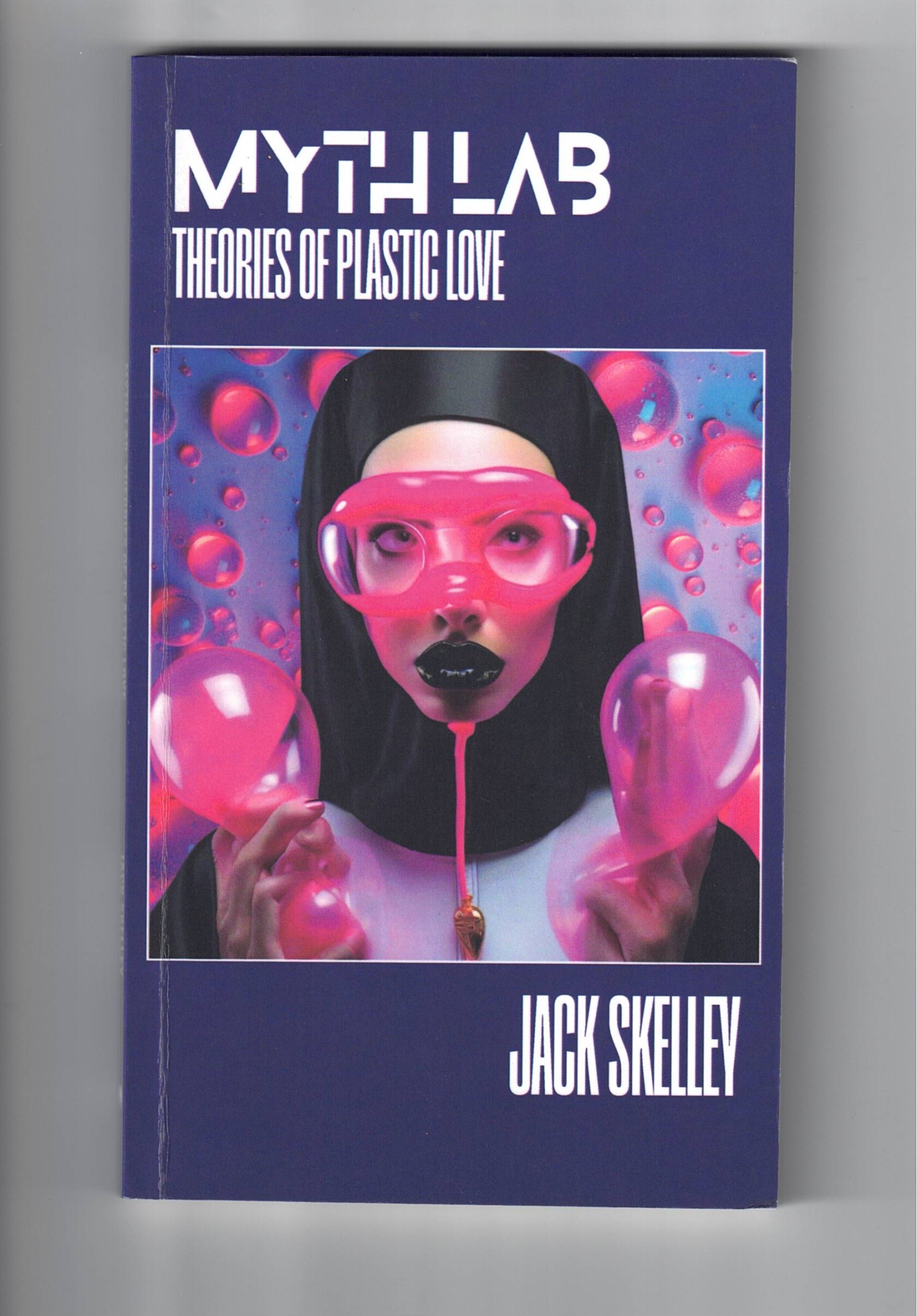
Jack Skelley, Myth Lab: Theories of Plastic Love (Far West Press, 2024) Jack Skelley appeared on a previous summer reading list I put together in 2023. Since then, his genre-defying Myth Lab: Theories of Plastic Love has been published. Summarizing the almost hallucinatory flow of this slim volume is no easy task, which is why I’m borrowing the blurb found on the back of the book: “If C.G Jung, magic-mushroom shaman Terence McKenna and Camille Paglia (Sexual Personae) had a three-way while binging on George Bataille and undergoing Hormone Replacement Therapy, their baby might be the erotic cocktail of Myth Lab.” A wild, brainy ride, Myth Lab earns its place on this summer reading list, which is somewhat dedicated to the surreal and the erotic.
|
|
|
|
|
|
|