|
It is difficult for me to write this text. Last year, I was at Curated By and wrote a kind of travel report, peppered with mentions of works I brushed past as I moved through Vienna. Art critic (or here: art critic critic) Leonie Huber mentioned it in her text Postcard from the Publisher in the online magazine dis/claim, and I think she was also making fun, to some extent, of the fact that I described exercising in my hotel room. Tant pis! I am a fucking artist, not a writer. Now, however, I am still part of PROVENCE and we still cosplay as a magazine. And, inexplicably, the people behind Curated By seem to have liked my text last year enough — or found having me around Vienna for a weekend entertaining enough, who knows — to invite me back.
|
|
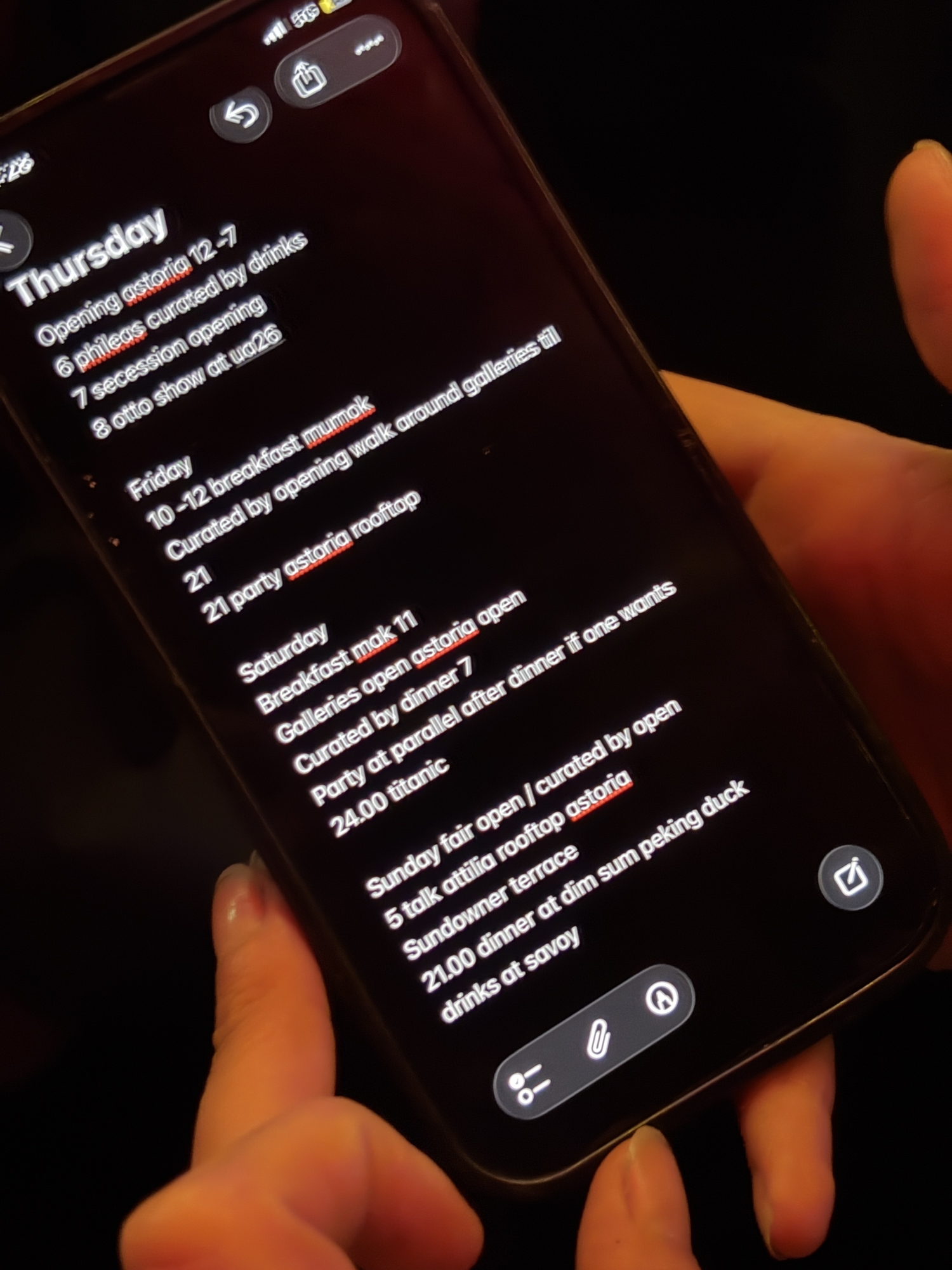
Gallerist Antonia Lia Orsi’s schedule for Curated By 2026.
|
|
|
Here we go again: Vienna feels like a different (art) city during Curated By, a festival in which 25 participating galleries each invite a curator to organise a show around a shared theme (this year’s was Love), transforming the city into an international place to see (both art and art professionals) and be seen—and, more importantly, a place where tendencies and trends (whatever the difference between the two might be) in contemporary art become visible. This year, for me, was marked by a climax of the return to the aesthetics and materialities of the second half of the 20th century in contemporary art.
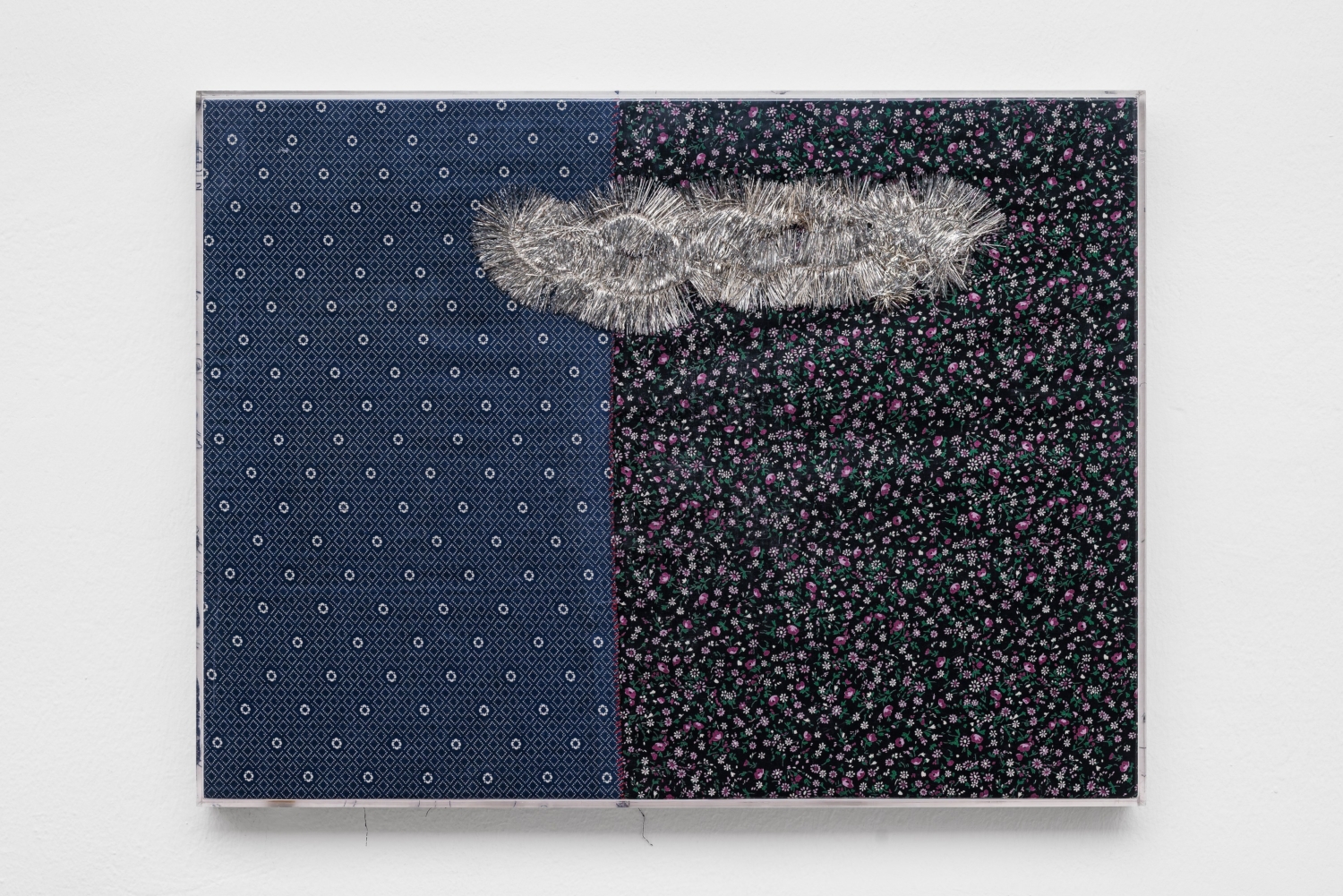
Embarrassingly, Lenke Rothman was completely new to me. When I saw her work at Croy Nielsen, I first had to consult the floor plan to check whether I was looking at the practice of a thirty-year-old, or at work from the very period whose aesthetics my generation of artists is trying so hard to rework. It was the latter: Rothman, a survivor of Auschwitz, died of leukemia in 2008, and the pieces on view were made between 1953 and 1989. Having learned more about Rothman’s biography and the period in which these works were made, I understand them more clearly; they are delicate and vulnerable, but also have a subtle, elegant and, most importantly, optimistic sense of humour.
|
|
Lenke Rothman, Dansaren / The dancer, 1981, courtesy of the artist and Croy Nielsen, Vienna.
|
|
Lenke Rothman, Nyår / New Year, 1978, courtesy of the artist and Croy Nielsen, Vienna.
|
|
|
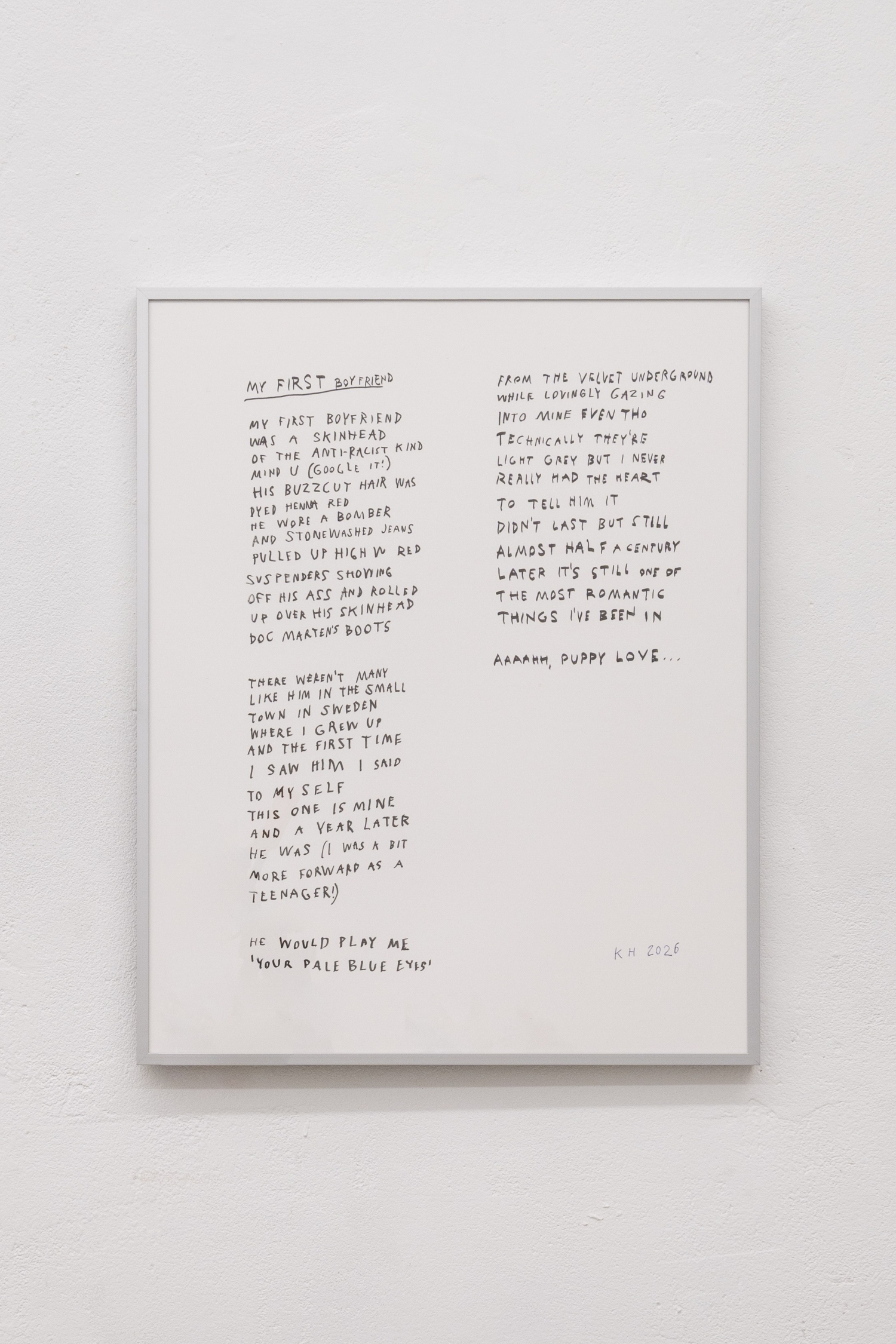
The exhibition at City Galerie Wien was curated by the Los Angeles-based Gaylord Fine Arts. They titled it Die Homofürsten, so not being on its artist list was a hard blow for me. When I went to see Die Homofürsten, a mobile phone company was filming a campaign aimed at Gen Z in the courtyard outside the gallery: an influencer and her followers were spraying slogans onto a pink van. The biggest tag read Stolze Lesbe [Proud Lesbian]. Although it was not officially part of the show, this blatant commercialisation of (queer) activism, combined with its painfully cringe misunderstanding of Gen Z, was probably its best work. Hardy Hill’s ink drawing study for paper children (2026) was also amazing. Oh, and I can rarely resist Karl Holmqvist’s poems. The one the Gaylords picked for City Galerie was titled My First Boyfriend, and it’s about Karl’s first boyfriend, “a skinhead of the anti-racist kind (Google it!).”
|
|
Exhibition view: Die Homofürsten, City Galerie Wien, Vienna. Photo: Simon Veres.
|
|
Karl Holmqvist, My First Boyfriend, 2026, courtesy of the artist and City Galerie Wien, Vienna.
|
|
|
The problem with events like Curated By is mainly the abundance: gallery after gallery, and there is plenty of nice stuff, but if you work in the field and see a fair number of exhibitions, you inevitably become somewhat desensitised. Falling in love for the first time is more exciting than the second etc. I was happy, though, to see the work of Larry Johnson at Layr and that of Charly Mirambeau and Miriam Laura Leonardi / Gabriele Garavaglia at Sophie Tappeiner, and I enjoyed the show curated by Amalia Ulman at Shore, especially because, when I asked about the price of some of the photographs, the gallerist didn’t seem entirely sure whether, or indeed how, they could actually be bought.
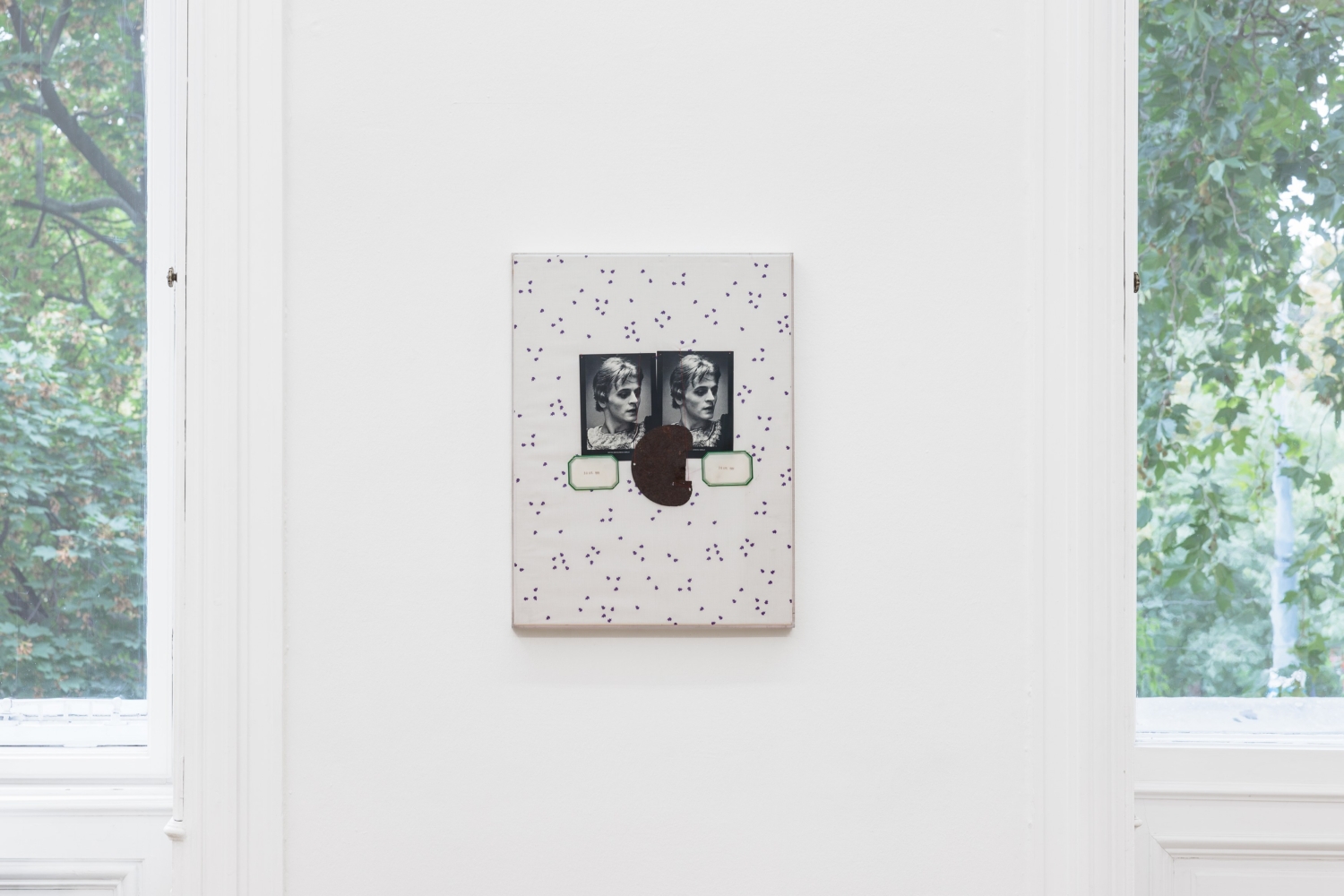
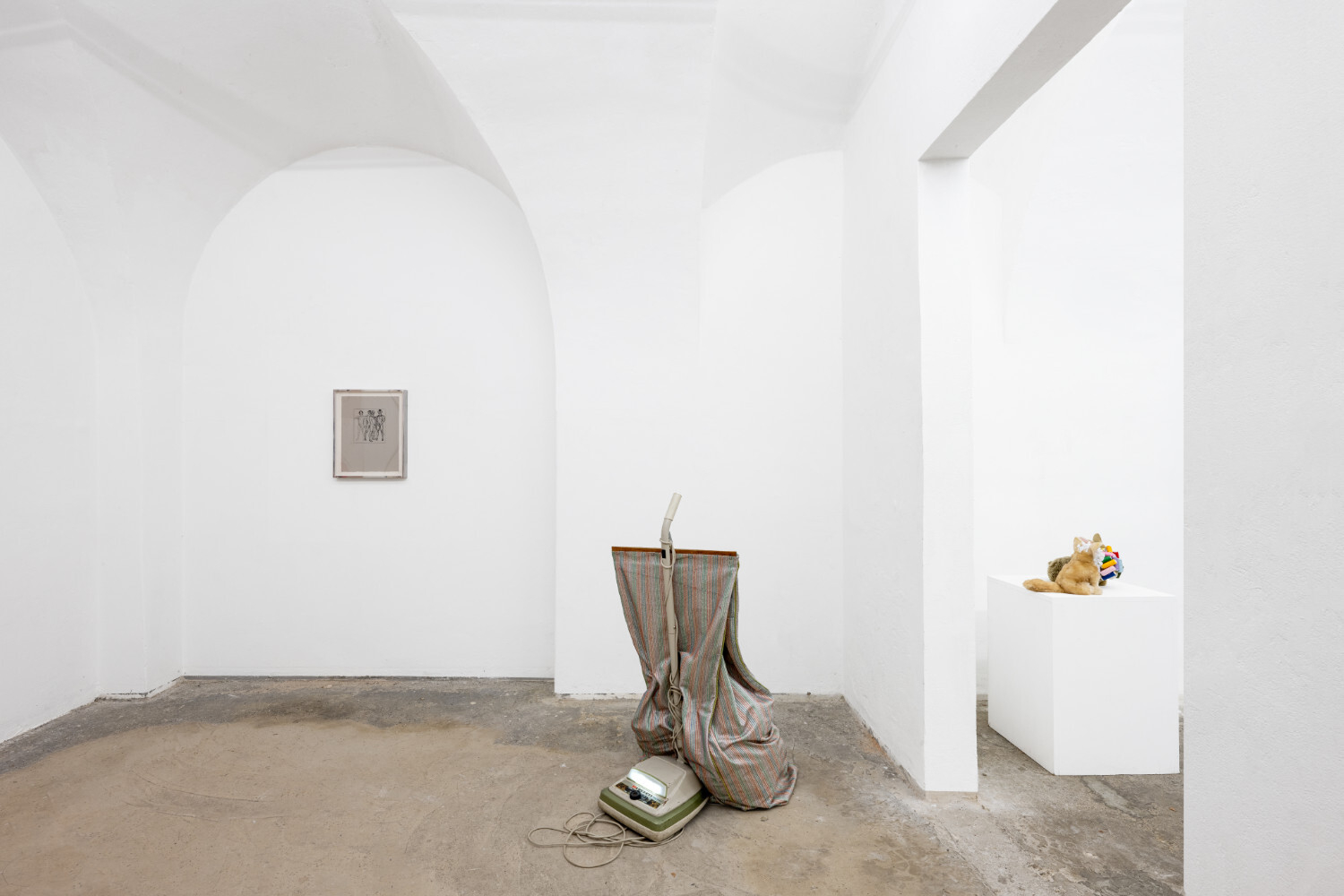
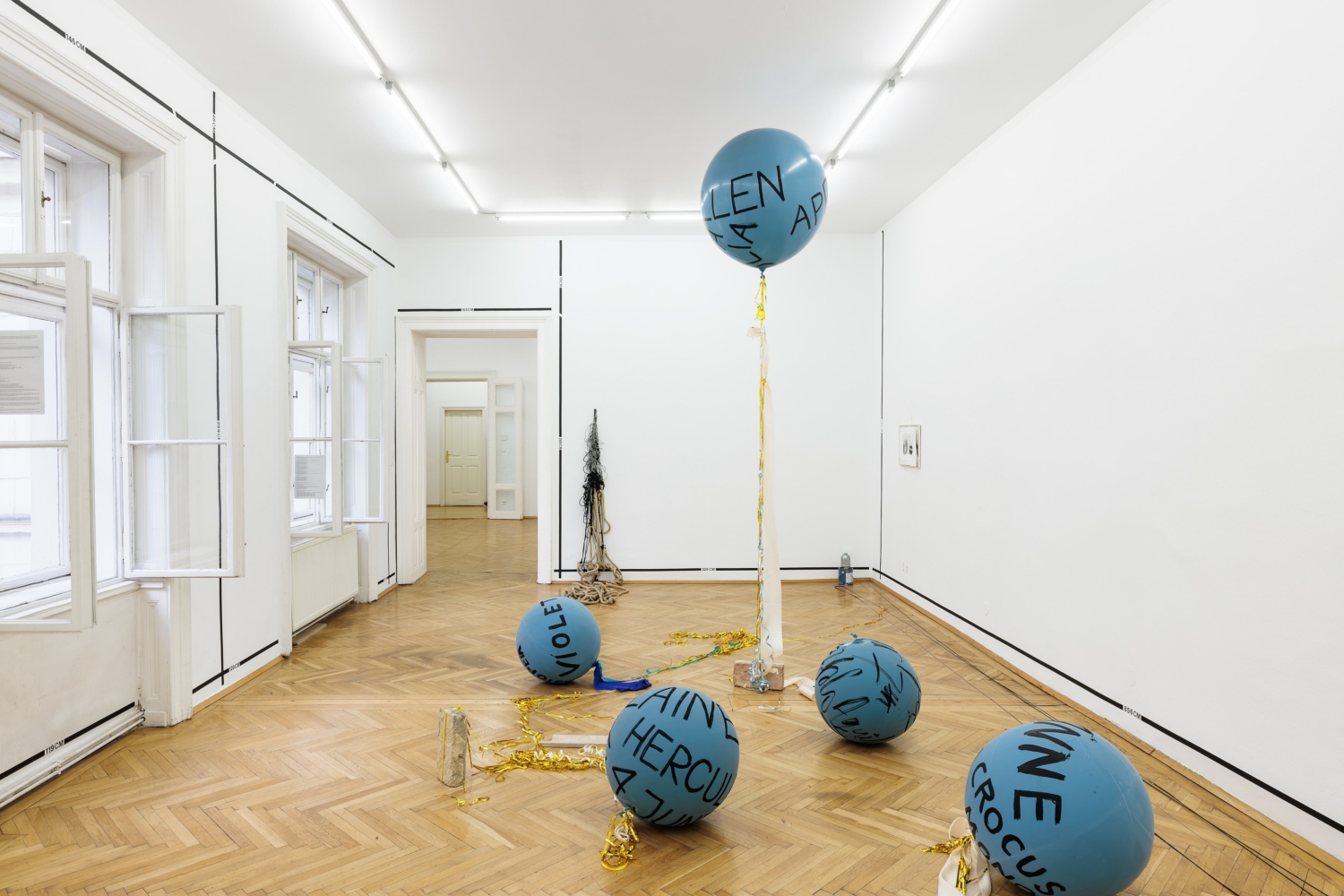
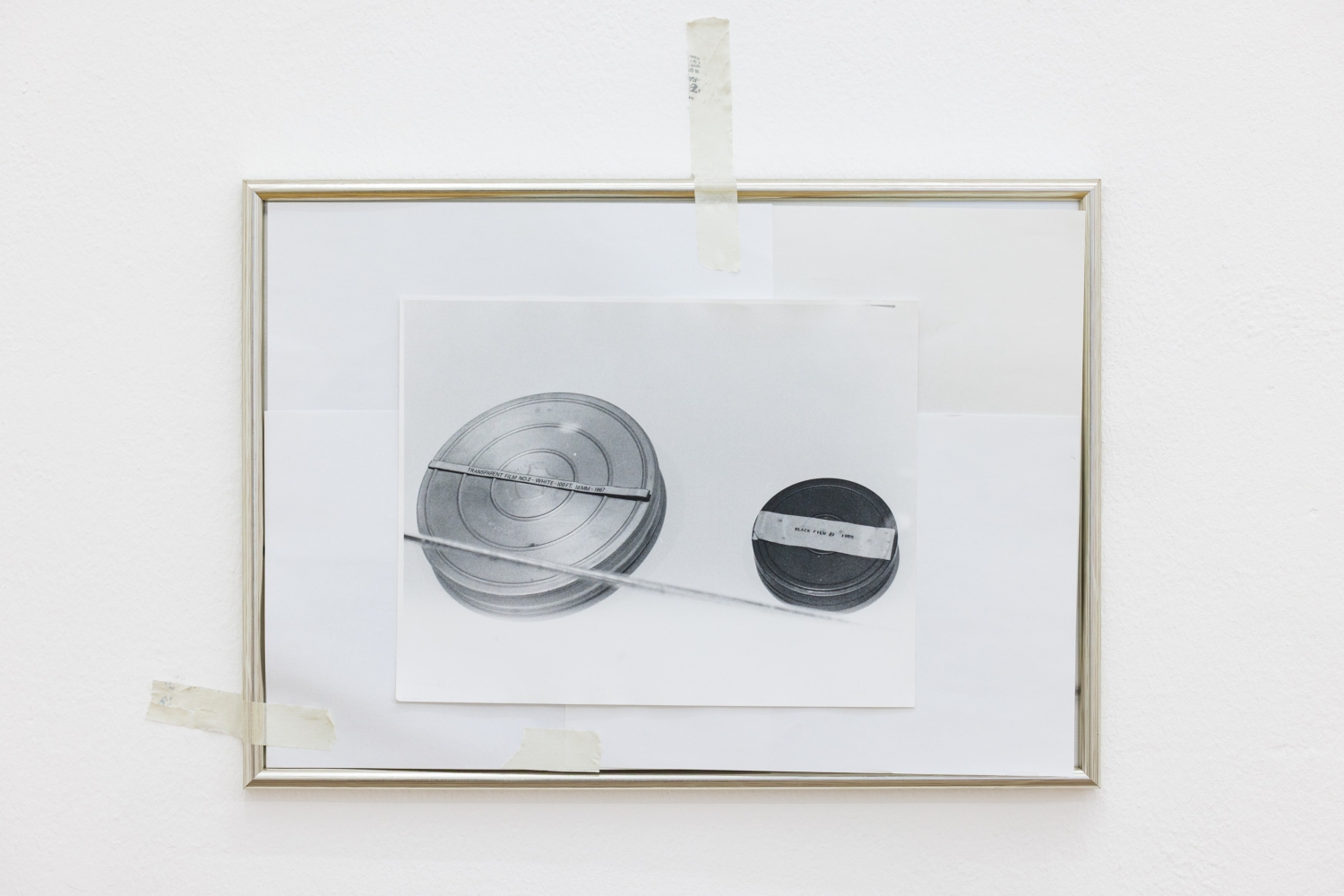
At Felix Gaudlitz, I had one of those rare moments: seeing the exhibition felt like the little thrill you get when a rollercoaster suddenly drops. The show What can I do now with this great useless machine of my love? It has no wholesome work to do., curated by Jason Dodge (one of the few artists we all can seem to agree is great) was at once crammed full and dematerialised. Some of the works existed only on the works list: James Richards, for example, contributed the title of the exhibition as his work in the show. And Lydia Ourahmane has imagined and started to spread a rumour that she has fabricated. For the most dominant work in the space, Connections (Vienna), 1978/2026, based on a concept by Rosemary Mayer, everyone involved in the exhibition was asked to dedicate a balloon to another artist who was important to them, and to share a date associated with that person. Based on the date, the Estate of Rosemary Mayer selected a flower that would have been in bloom and a star or constellation visible in the night sky in Vienna at that time. The balloons are temporary monuments, with their eventual deflation already built into them: “Jason Dodge dedicates a balloon to Anne Truitt, whose friend was murdered on October 12, 1964.” “Florence Jung dedicates a balloon to Lee Lozano, who made Dropout Piece on April 5, 1970.” “Lydia Ourahmane dedicates a balloon to Giorgio Mastinu, who said ‘I love you’ to her on July 9.” And so on. Christine Dahlerup dedicated her balloon to Christine Kozlov, about whom she also had another piece in the show, Works by Christine Kozlov, 2025, a black-and-white photograph of two of Kozlov’s works collaged with painter’s tape, so simple and seductive that I found myself wishing I had made it myself. A quietly magical sense of artistic genealogies ran through Dodge’s exhibition. Definitely the show to go see IRL.
|
|
Exhibition view: What can I do now with this great useless machine of my love? It has no wholesome work to do., Felix Gaudlitz, Vienna.
|
|
Christine Dahlerup, Works by Christine Kozlov, 2025, courtesy of the artist and Felix Gaudlitz, Vienna.
|
|
|
Some other things I really liked while in Vienna: Tolia Astakhishvili’s installation at Mumok, the new Viennese art fair in a defunct, really old, really beautiful parking garage (Astoria Art Show), the opening-gone-house-party at UA26 hosted by local legend Casandra Hermann, and Rindssuppe mit Frittaten and Schnitzel with Erdäpfelsalat with Linda and Bruno at Café Prückel. But how do I get one of these gallerists to let me curate a show next year? (hit me up!) Bis bald, Wien!
|
|
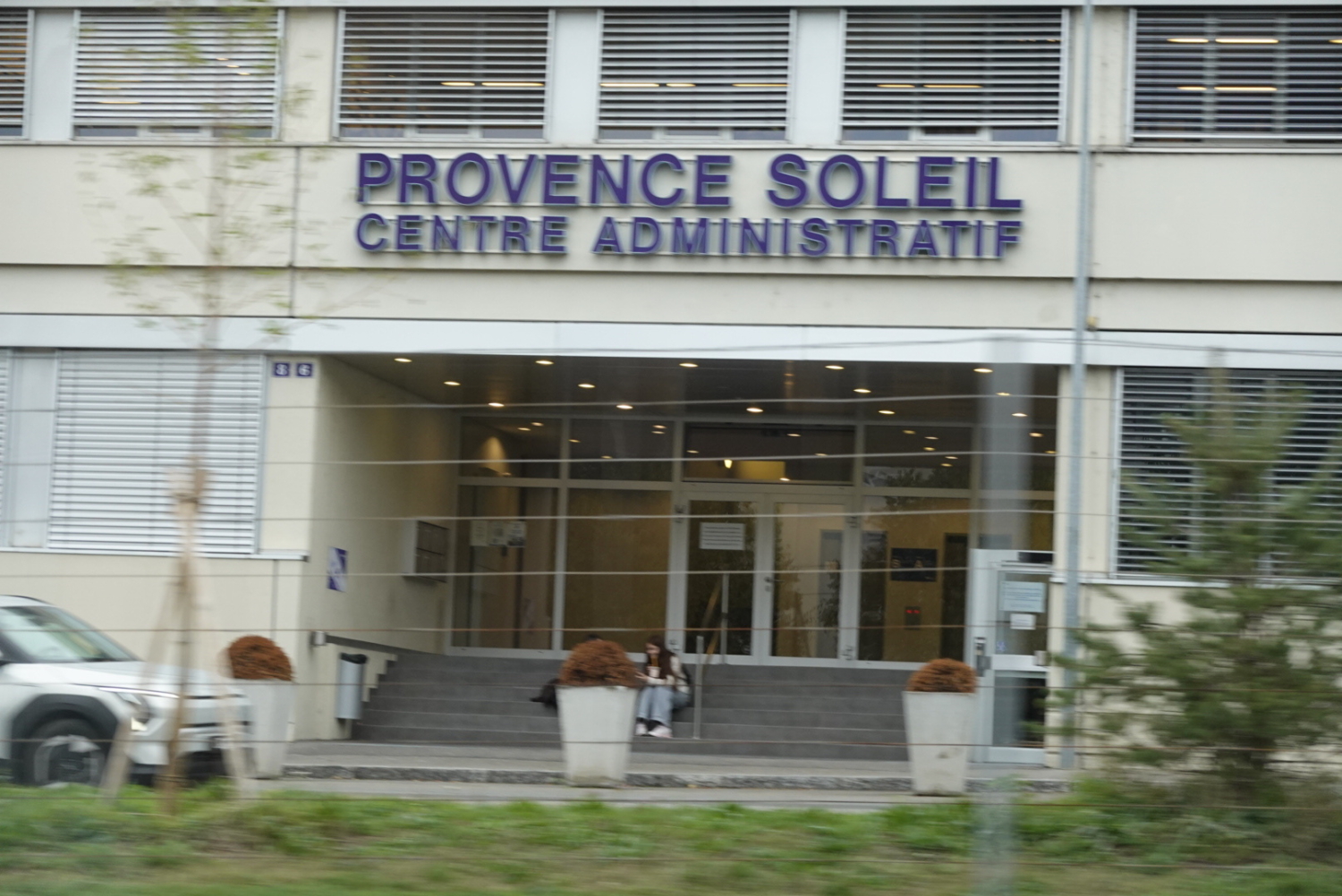
Postcard from Lausanne, 2026.
|
|
|
|
|
|
|