What does one ask an oracle?
A guide to the 36th Ljubljana Biennale of Graphic Arts
|
|
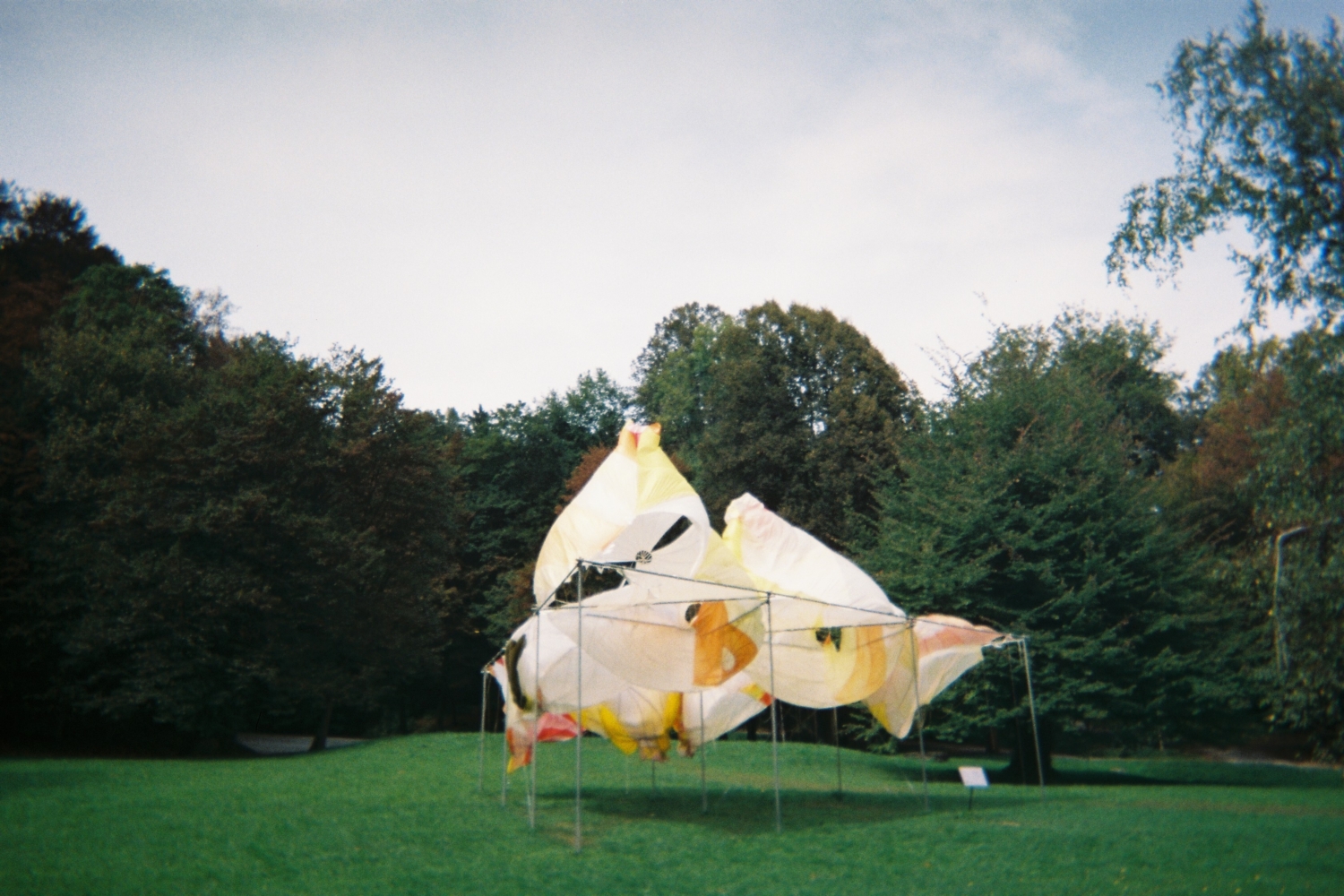
Kathrin Siegrist, A Shade We Share, 2025.
|
|
|
This year's edition of the Ljubljana Biennale of Graphic Arts, titled The Oracle and curated by Chus Martínez, inhabits the city with artistic positions ranging from public interventions in Tivoli Park to exhibition displays in the halls of the International Centre of Graphic Arts (MGLC), the Museum of Modern Art (MG+) and the City Art Gallery Ljubljana. Based on the overarching theme of The Oracle, each venue was reimagined as an enchanted place of prophecy. Serving as portals into imagination, wonder, and storytelling, they offer ideas on how to reconnect in times of constant crisis, miscommunication, and division.
|
|
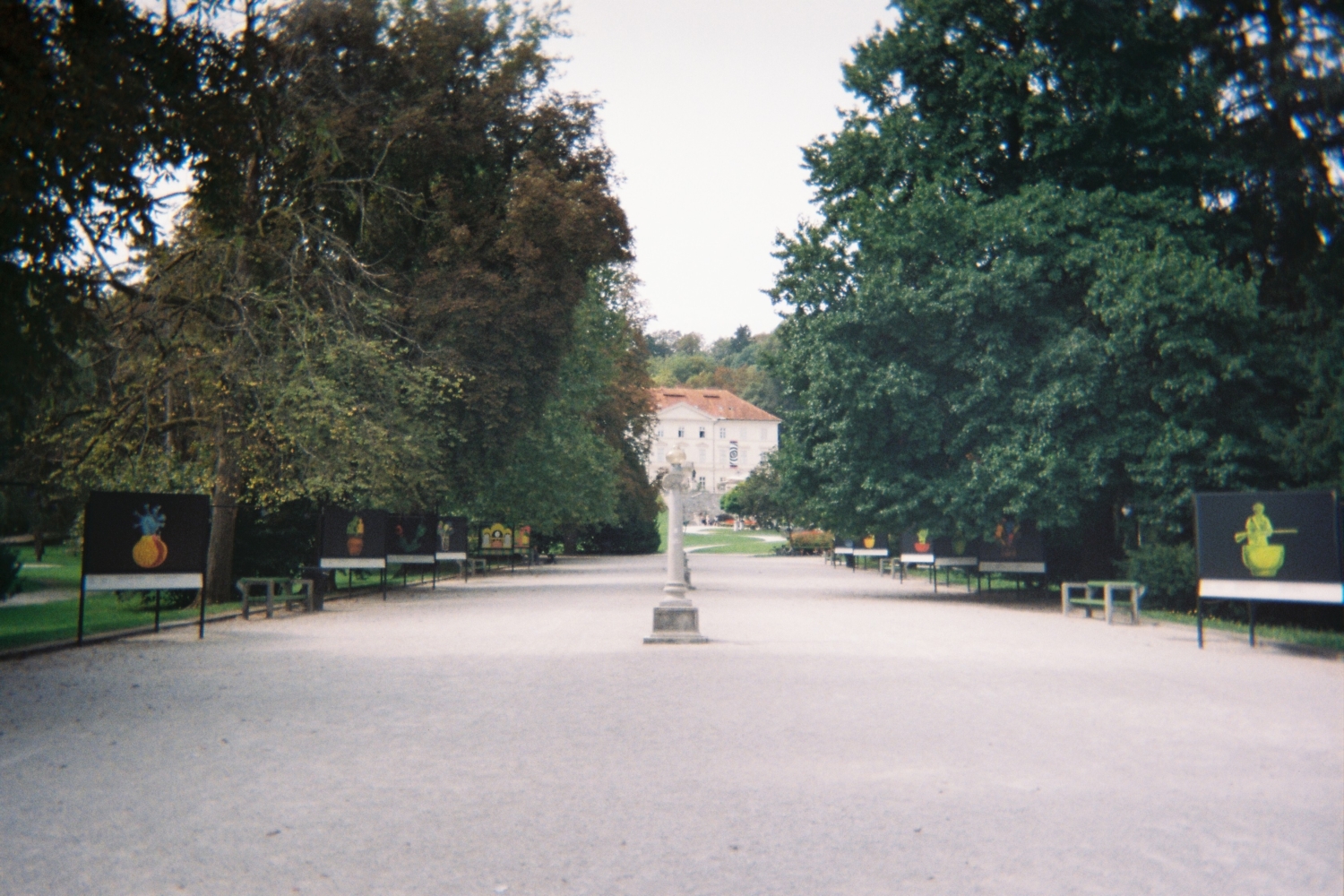
Sinzo Aanza, The Irregular Line, 2025.
|
|
|
In its seventy-year history, the Ljubljana Biennale of Graphic Arts navigated and reinvented itself through the transformations of states and political systems, transition, and shifting tides of global art movements. The spirit of Yugoslavia’s,and consequently the biennial’s role in the post-WW2 Non-Aligned Movement resonates in the drawings of Sinzo Aanza from the Democratic Republic of Congo (DRC), which unfold as a poster installation along the Jakopič Promenade in Tivoli Park. The artist uses the metaphor of the line to transform the symbol of division into ideas of connection, decolonisation, solidarity, and resistance–ideas that serve as entry points to the Biennale’s exhibitions.
|
|
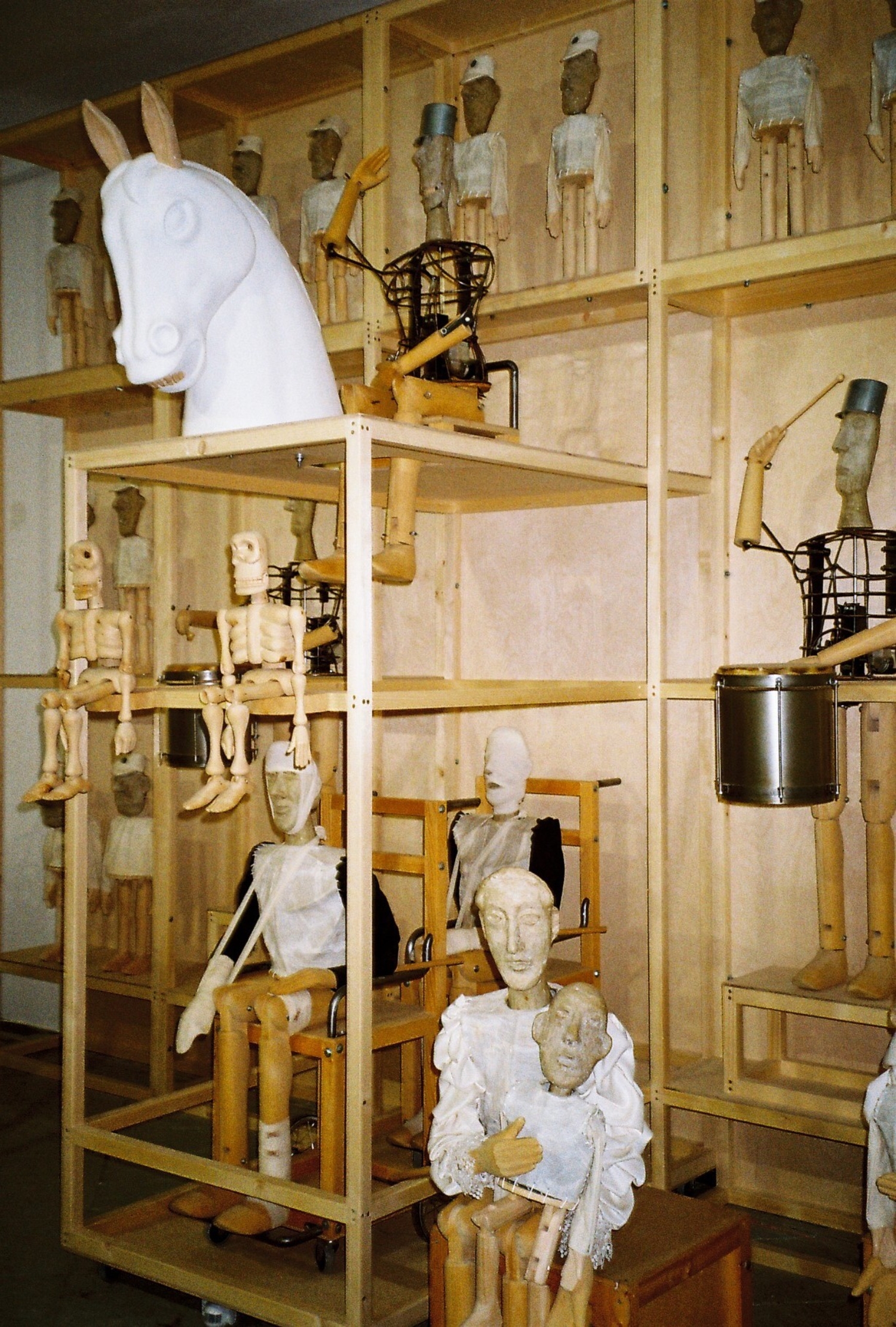
Silvan Omerzu, Mr Captain, 2025.
|
|
|
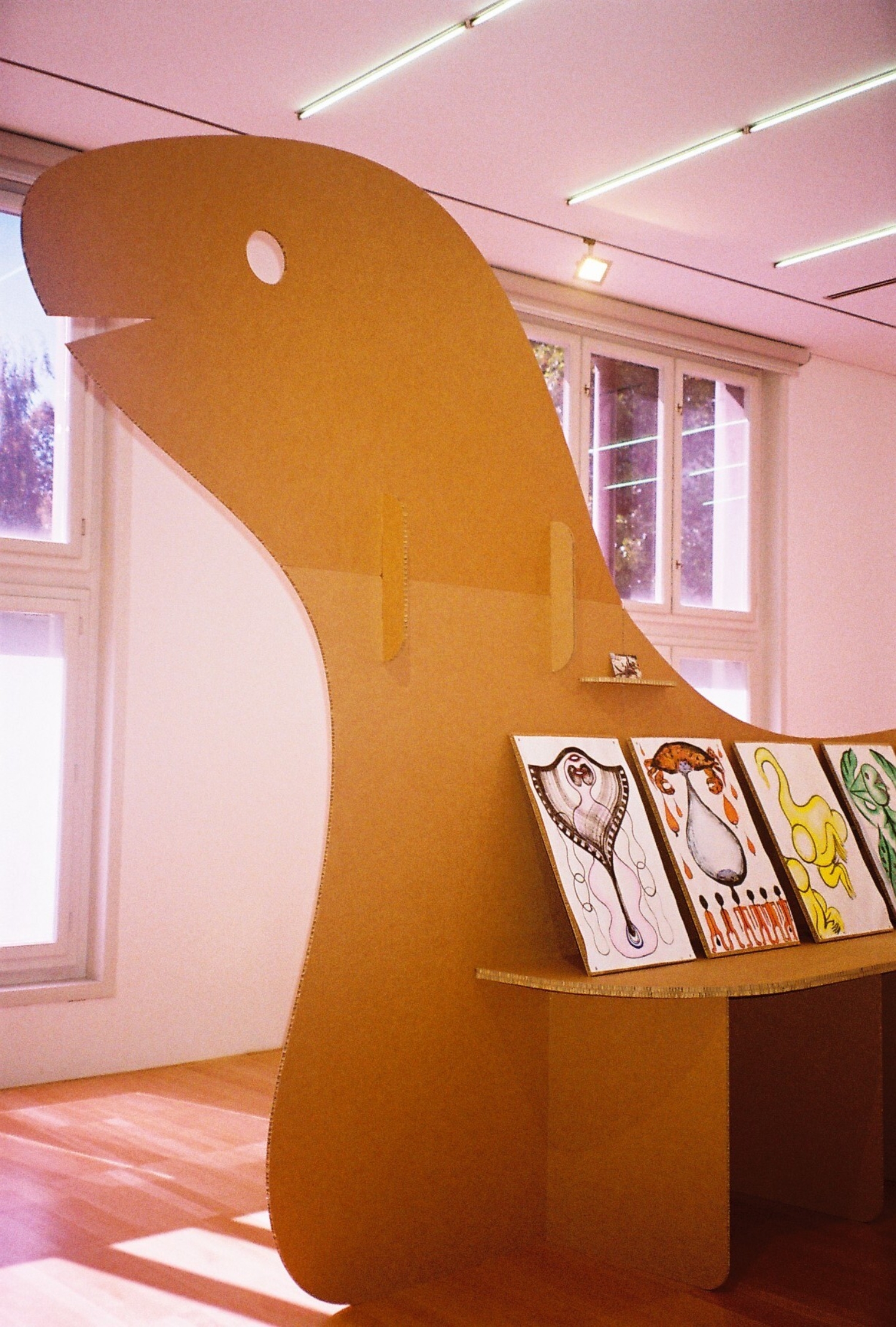
Imagination weaves together all four exhibition venues. At each entrance, spatial puppetry interventions by Silvan Omerzu welcome visitors, drawing upon the history and significance of each location, alongside poems by Svetlana Makarovič, familiar to every Slovenian through her beloved children's books. This long-lasting storytelling tradition–puppetry, illustration, and literature–so fundamental to Slovenian culture served as a crucial starting point for the curator.
|
|
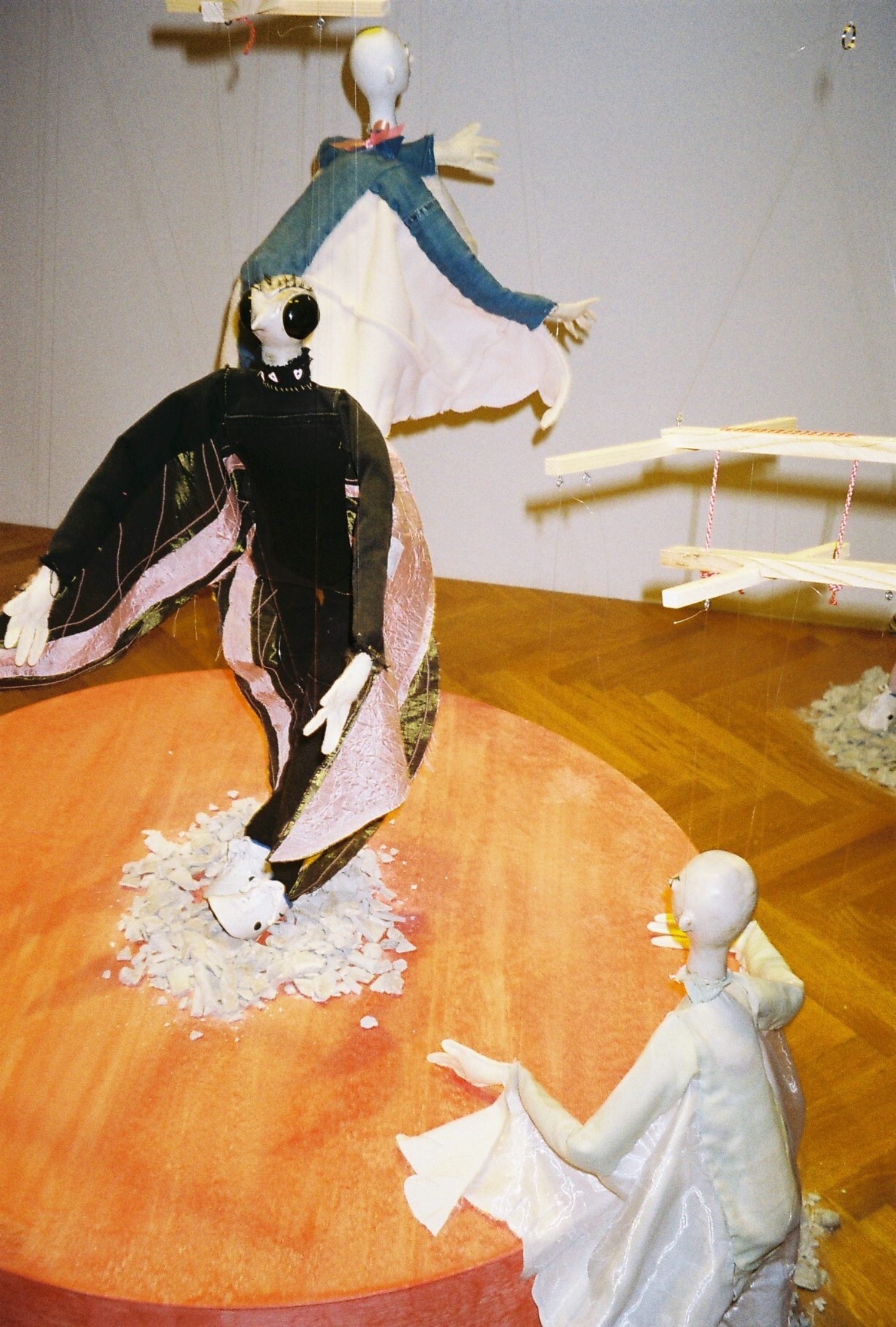
Gabi Dao, Sweet Blood in Stagnant Waters, 2025.
|
|
|
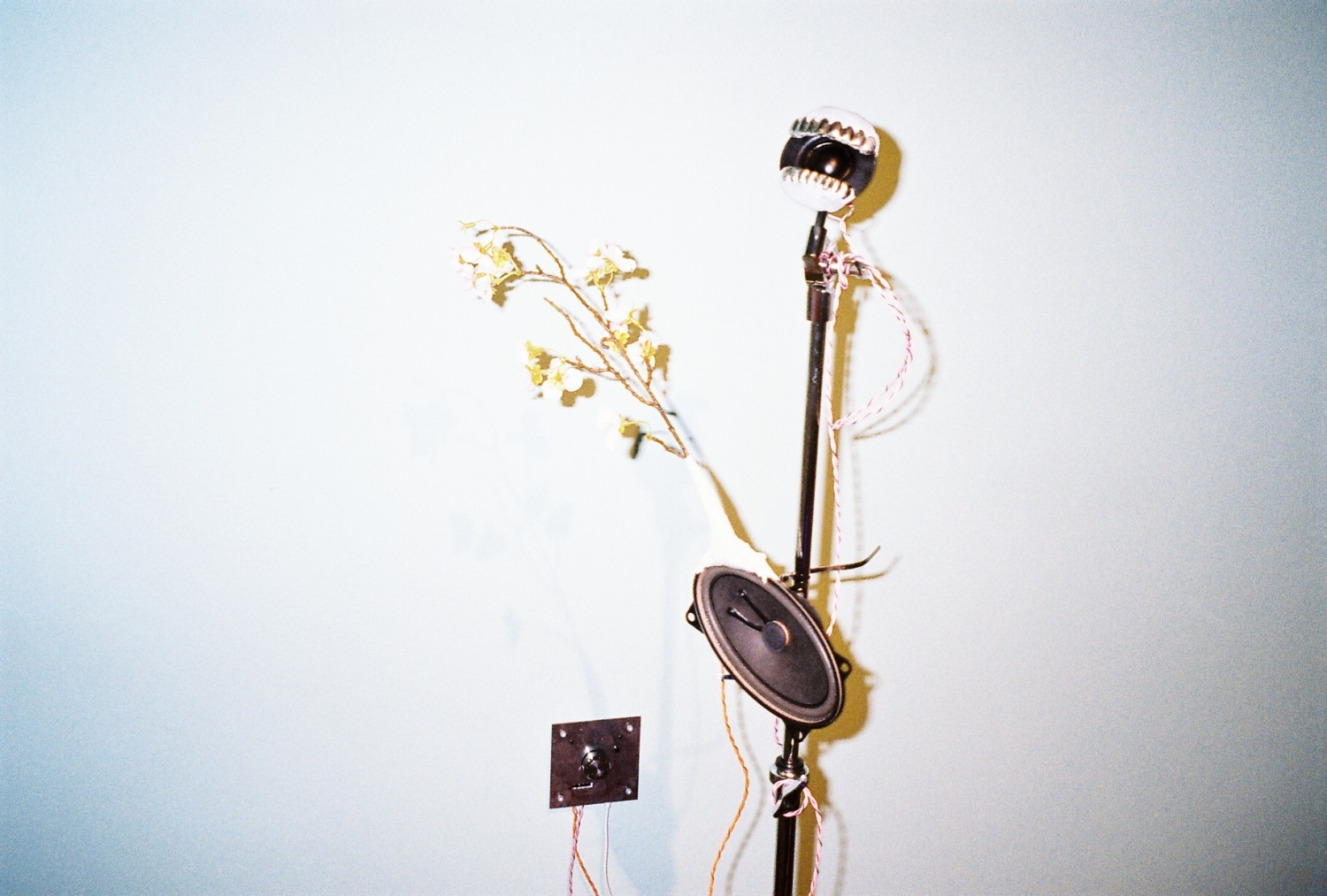
Elements of puppetry are also present in other works at the biennale. In the haunting sci-fi allegory and puppet installation Sweet Blood in Stagnant Waters, Gabi Dao imagines new forms of kinship for the future. Set on a proxy-planet, their work follows a family of cyborg angels as they navigate memory and a ghostly, half-human, half-mosquito pregnancy, challenging notions of home and lineage. The artist uses the maligned mosquito as a catalyst, spinning the ruins of colonialism and capitalism into a fragile, but possible future.
|
|
CANAN, Kıymeti Zatiyye (Intrinsic Value), 2025.
|
|
|
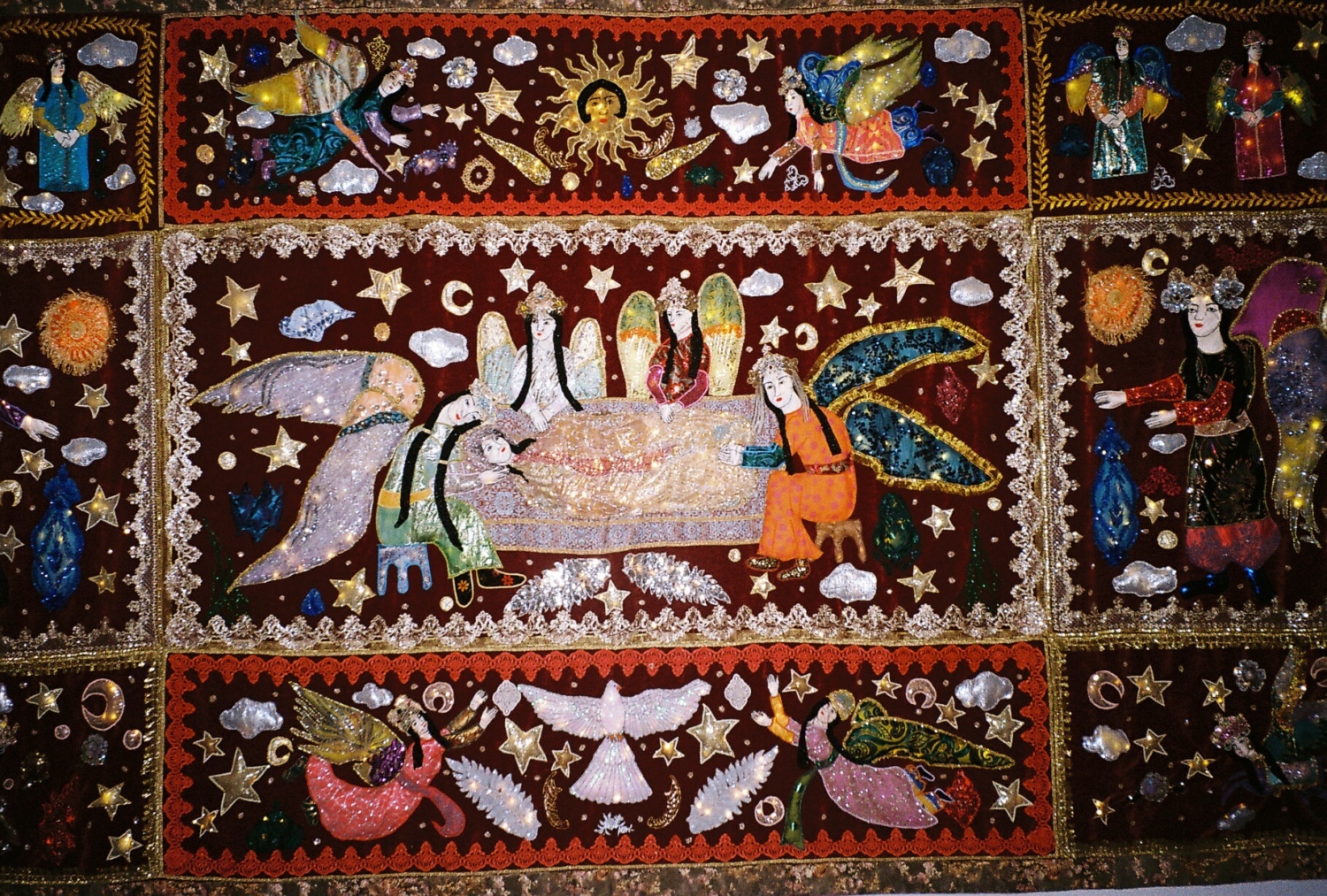
Through an opulent tapestry and spatial installations of both traditional craft and digital media, CANAN constructs four rooms, each a step in the journey toward self-worth. Here, the recurring mantra “I value myself” echoes as the important foundation for solidarity and the restoration of faith in a collective, democratic world.
|
|
Vesna Petrešin in collaboration with Prof Dr Eugen Petrešin, Autonomous Energy Machine, 2025.
|
|
|
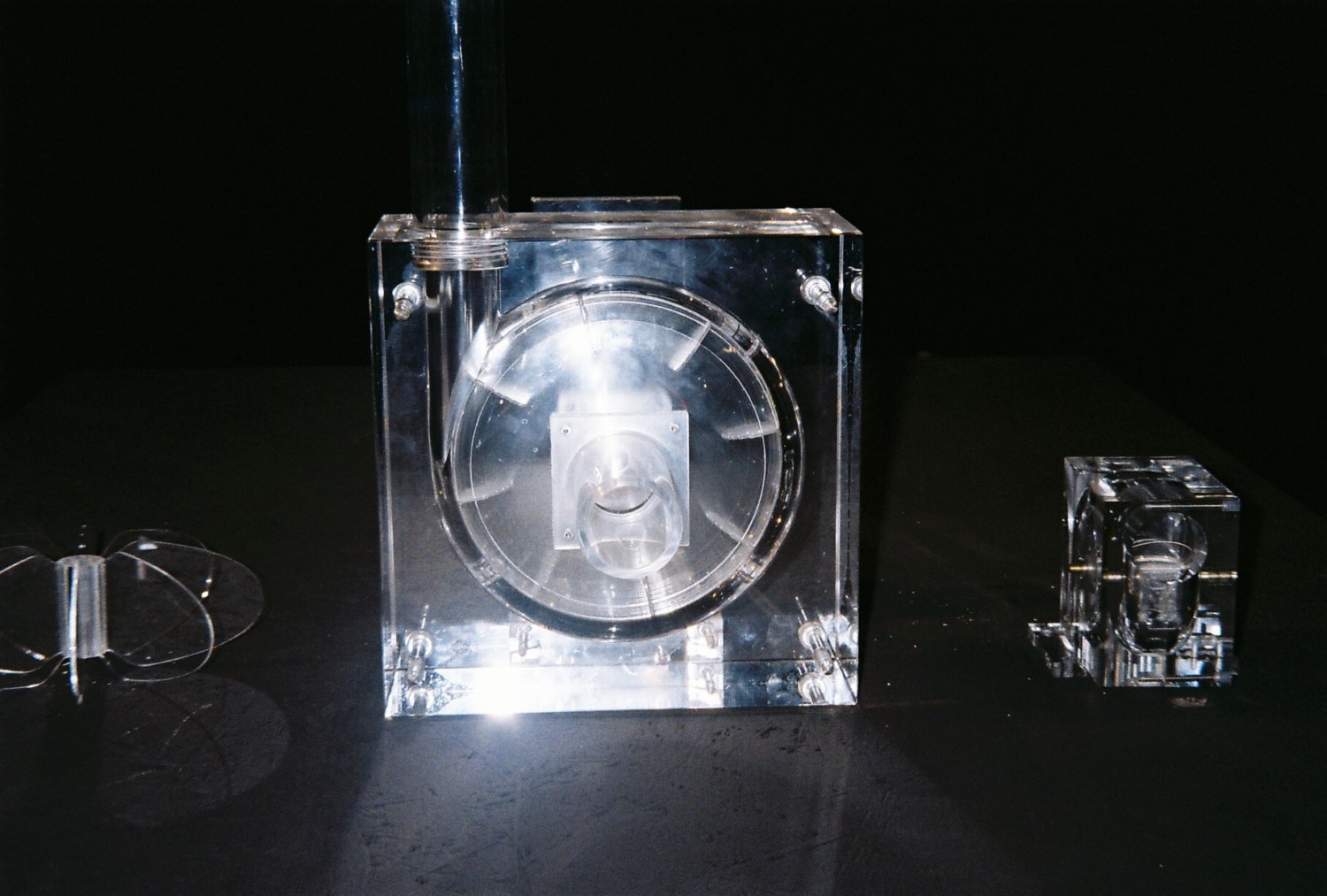
Hidden in the basement of one of the biennial’s venues, an installation, which presents the vision of a world powered by water. Artist Vesna Petrešin and her father, Eugen Petrešin, a hydraulic engineer, have conjured an immersive secret laboratory filled with audible traces of scientific work, mathematical formulas, as well as the blueprints and models for autonomous energy machines. This radical reimagination of energy envisions a world where the quest for a clean, sustainable, and independent future becomes the very foundation for a peaceful global coexistence.
|
|
Joan Jonas, Ray, 2018 and To Touch Sound, 2024.
|
|
|
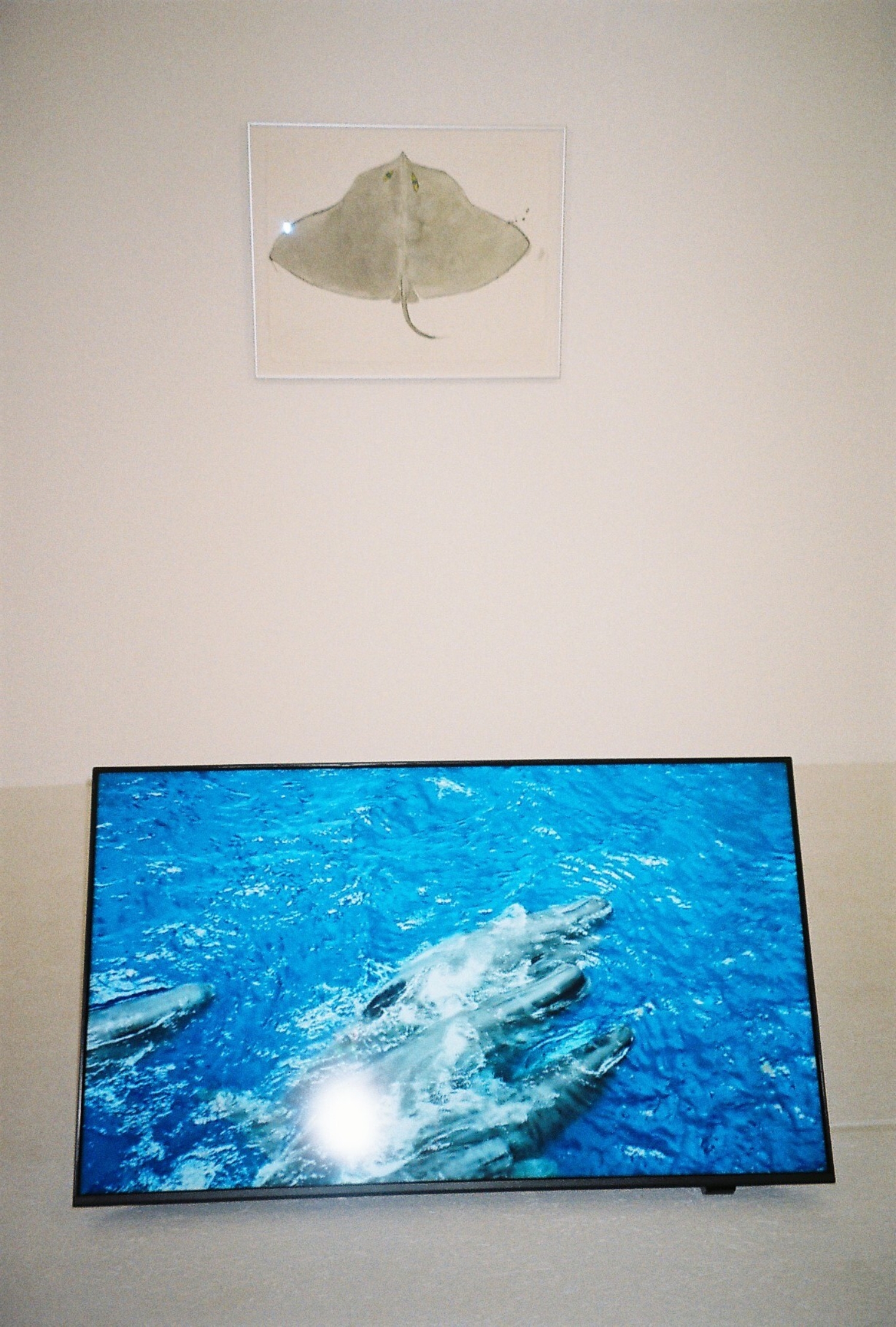
Another important aspect for this coexistence is the ability to understand not just the human condition but also non-human ways of being. Joan Jonas’s video of a whale giving birth, an event that involves an entire family of whales working together for hours to ensure a newborn has a chance of survival, reveals a society of mutual care.
|
|
Eduardo Navarro, F.O.C.A (Foundation for the Oceanic Contemplation of Affection), 2022–2025.
|
|
|
Similarly, Eduardo Navarro explores a practice of dissolving the self to connect with the non-human world by caring for orphaned seal pups in Uruguay. Wearing a seal suit, he becomes a "maternal father", bridging the gap between species.
|
|
Manuela Morales Délano, Espantapájaro (Scarecrow) and Espantapájaro con ojo (Scarecrow with Eye), 2025.
|
|
|
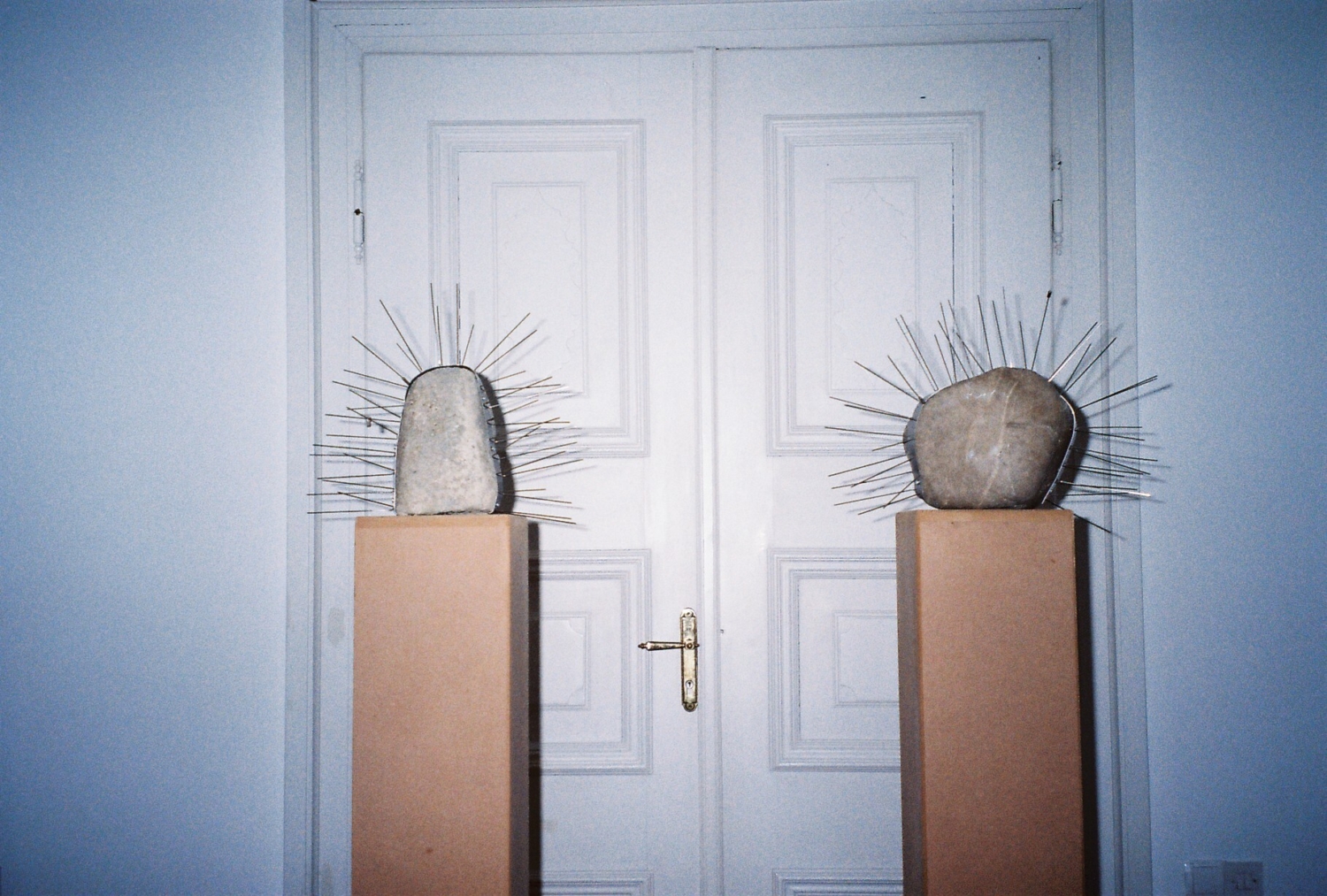
Manuela Morales Délano’s scarecrow sculptures explore the concept of coexistence by subverting instruments of urban control and exclusion, such as anti-bird spikes. Hostile architecture is a direct corollary of the exclusionary tactics used against the 'other'. It has been documented that birds weave these very spikes into their nests, demonstrating remarkable resilience and adaptability.
|
|
Derek Tumala, Island in the Sun, 2025.
|
|
|
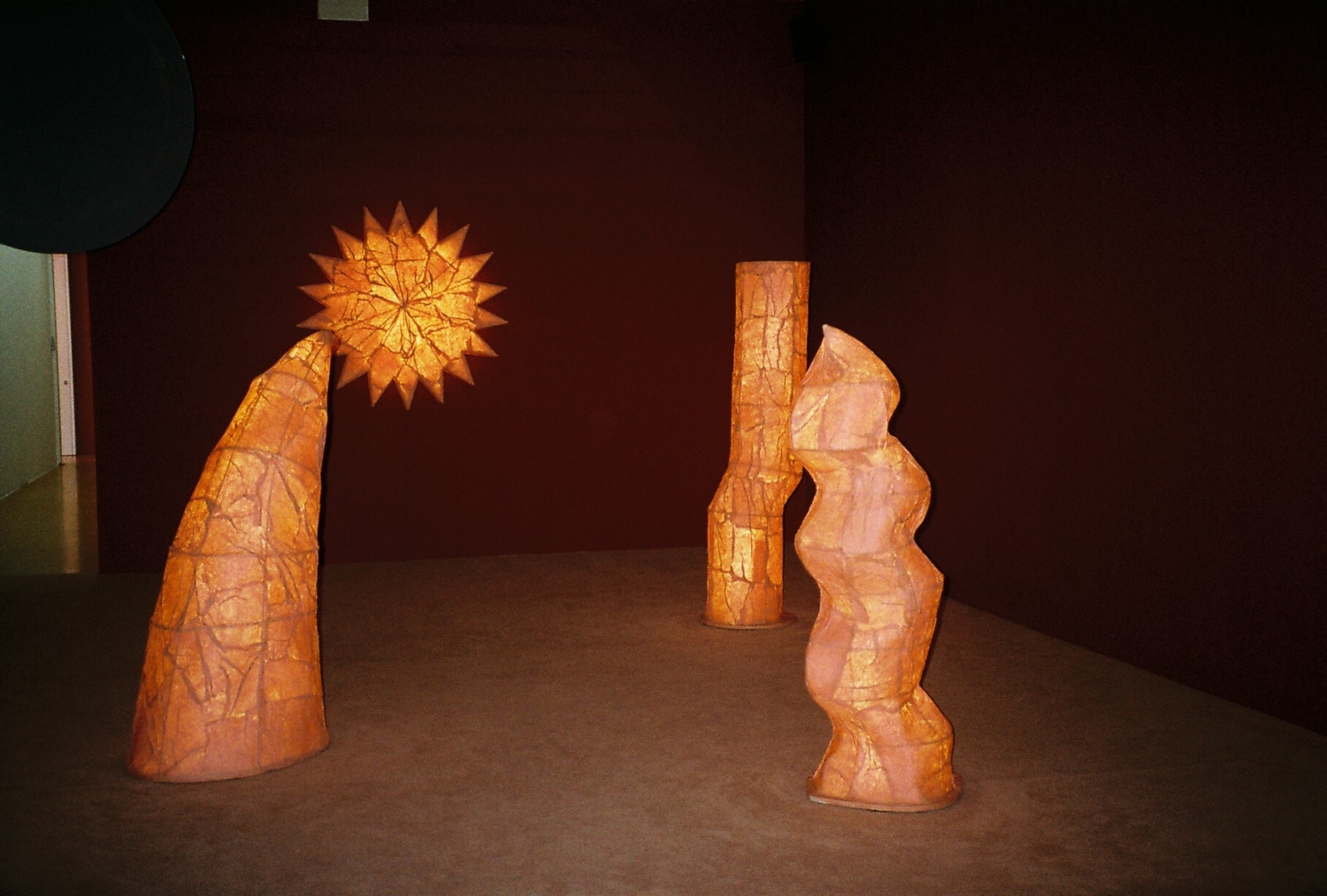
Derek Tumala captures the collective fever dream of the climate crisis, materialising a state of delirium born from extreme heat and the creeping loss of agency. Using sculptures crafted from handmade abaca paper that resemble the surface of the sun and the Earth’s core, he transforms the summer haze of a Weezer song into an ominous portrait of planetary distress. For the people living in the areas affected by these conditions, this heatstroke is not a metaphor, but a daily reality in which the life-giving sun becomes a threat.
|
|
Takeshi Yasura, distilled, 2025.
|
|
|
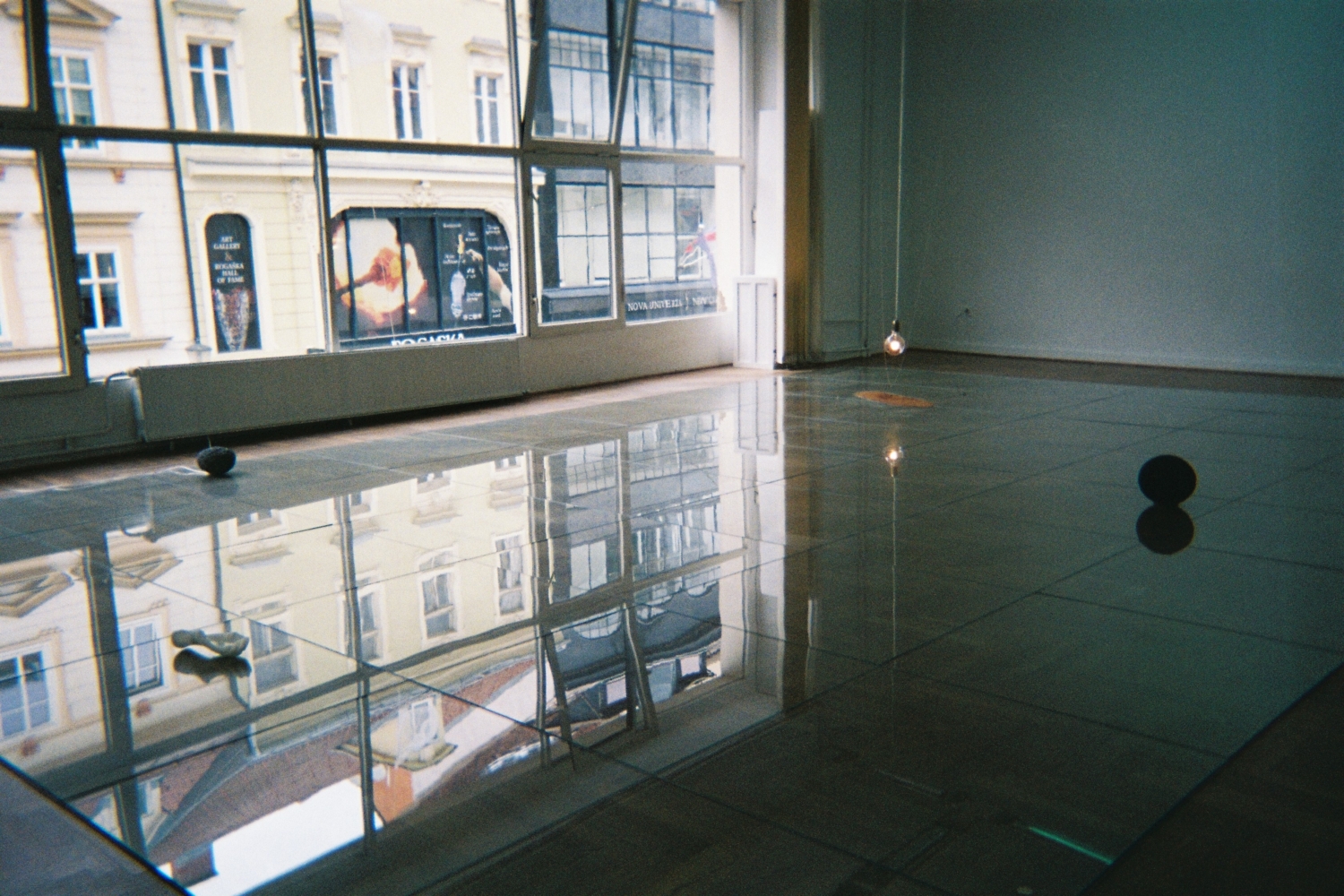
Takeshi Yasura transforms a large pane of glass into a meditative pool of light. Situated by the window, distilled becomes a space for listening to the silent languages of the non-human: water, light, and glass. Turning away from anthropocentric values, he embraces an ancient, animistic worldview, seeing spirit and agency in all matter.
|
|
Kathrin Siegrist, A Shade We Share, 2025.
|
|
|
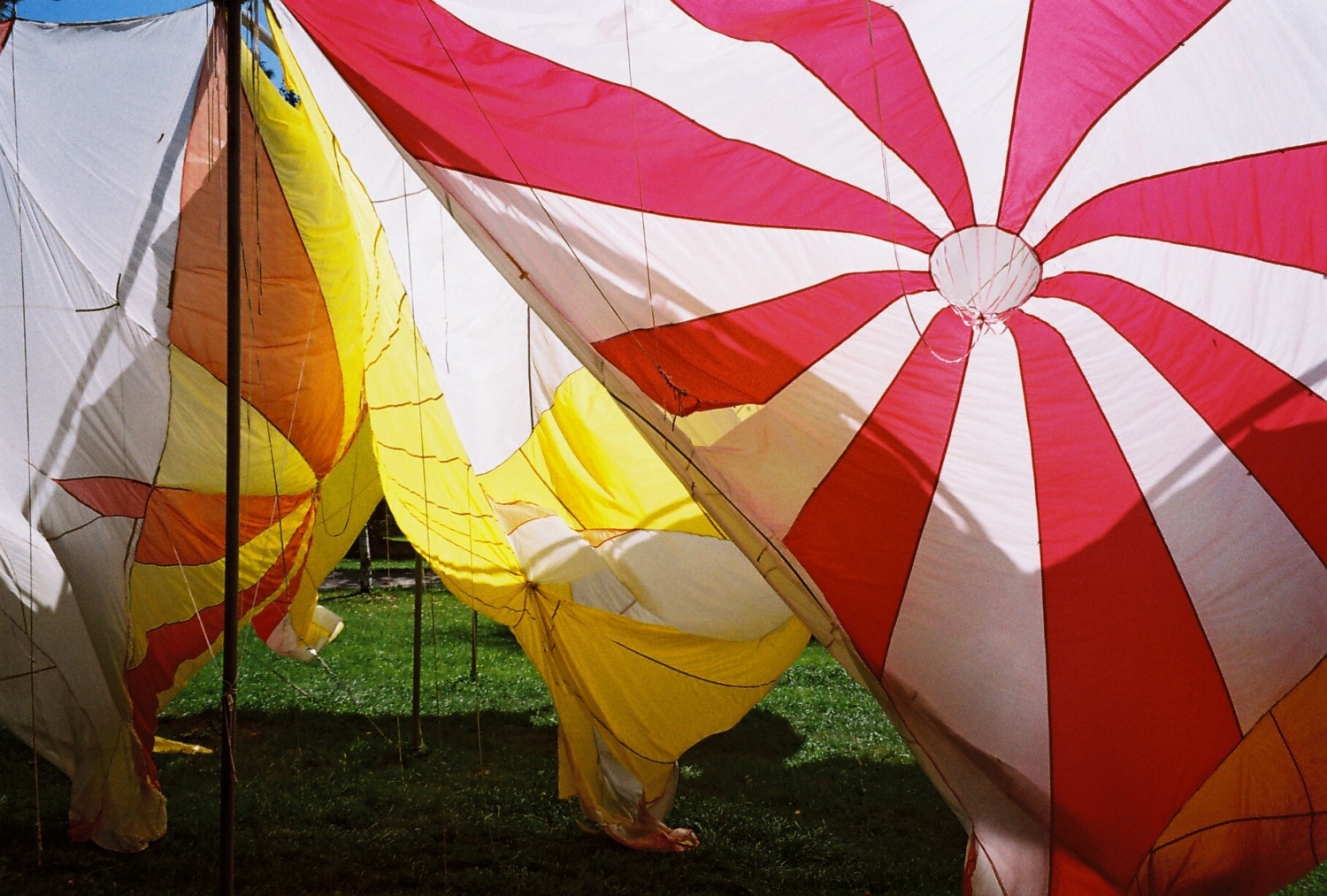
In the outdoor work in Tivoli Park, Kathrin Siegrist employs reclaimed and dyed parachute nylon, a material originally designed for durability. She created a fluid public installation, continuously changed by the wind and sun. This construction became a park staple during the Biennale months, with people enjoying its shade and the movement of the fabric in the wind.
|
|
Nicole L’Huillier, Rehearsal Room, 2025.
|
|
|
The idea of turning something intimate into a collective experience can also be detected in the work of Nicole L’Huillier. The Rehearsal Room is a resonant portal and a constantly evolving sonic ecosystem, where art and neuroscience converge to create a model for a new kind of society.
|
|
Nicole L’Huillier, Rehearsal Room, 2025.
|
|
|
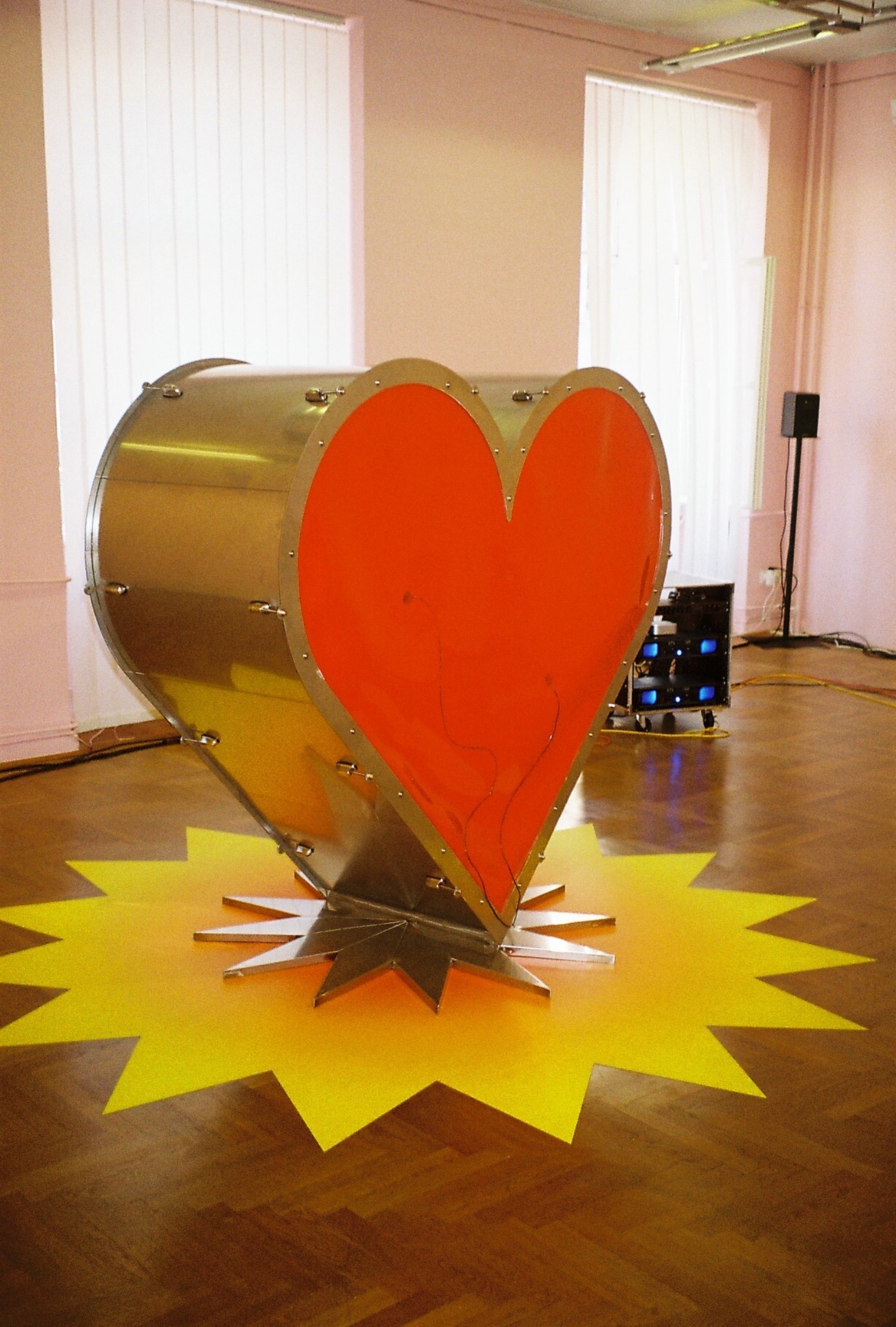
At its heart are the Dream-Drums, hybrid instruments that listen to and respond to visitors by generating sound tuned to brainwave frequencies associated with states of dreaming and tranquillity. This creates a shared space where listening itself becomes the foundation for connection.
|
|
Noor Abed, a study of a stick: movement notations and notes on defiance, 2025.
|
|
|
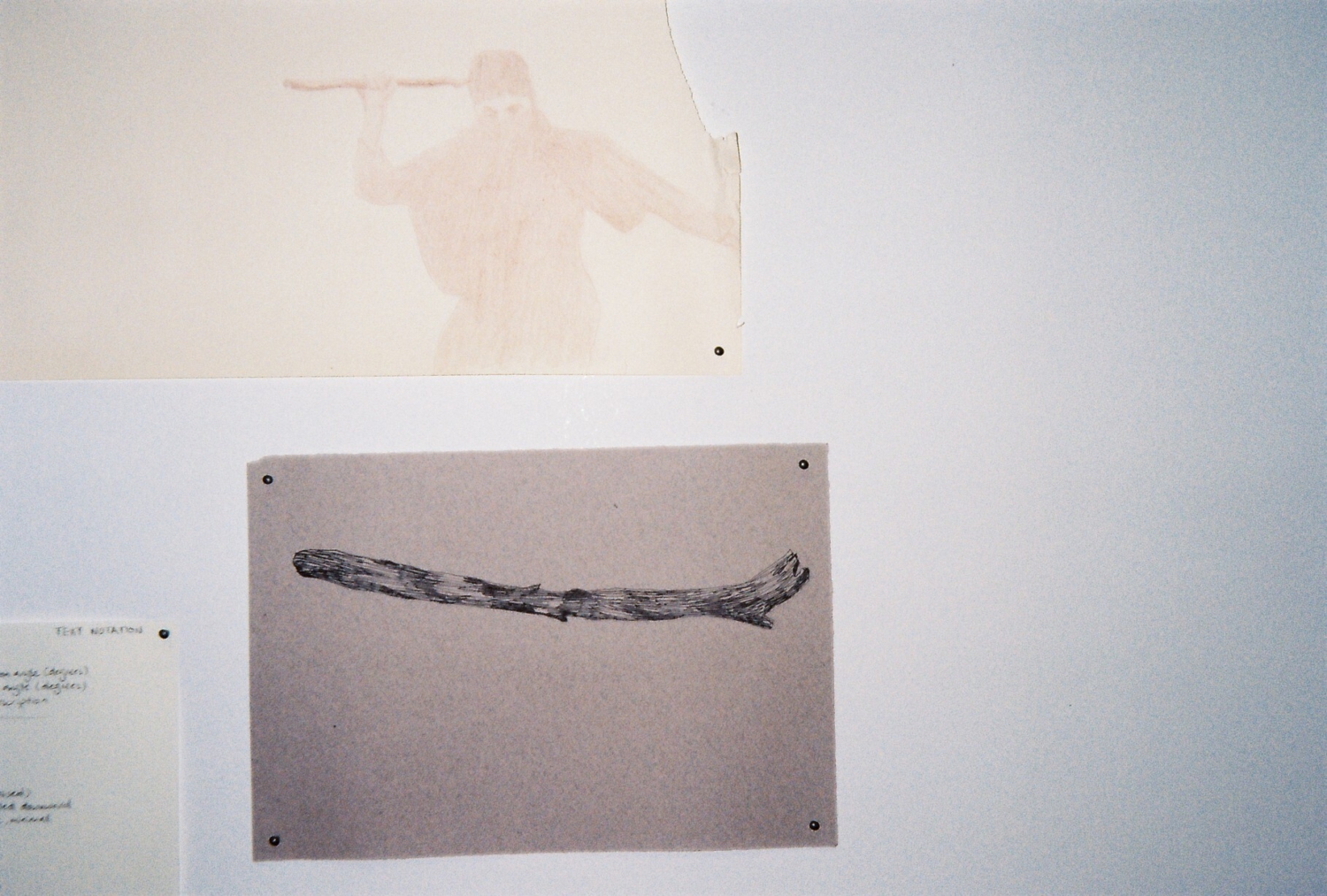
Noor Abed, the Biennale’s Grand Prize recipient, draws on Frantz Fanon’s decolonial thought to ask: can dance, another collective act, become an act of defiance, a call to action? She examines performance as both a ritual and a method of survival, while considering how ideology is choreographed into collective movement. Through a series of drawings tracing the arc of a wooden stick, a potent symbol of resistance, she studies a traditional Palestinian dance, exploring its capacity to embody both cultural memory and political will.
|
|
|
It is difficult to capture all the subtle connections that unfold between the works in this Biennale in writing. But walking through the venues, a common thread becomes increasingly visible: the future here is not framed as a distant prophecy, but as a collective practice. The most powerful oracle, it seems, is not one that will appear out of nowhere and predict what’s to come, but the one that we re-imagine and create ourselves.
|
|
|
|
|
|
|